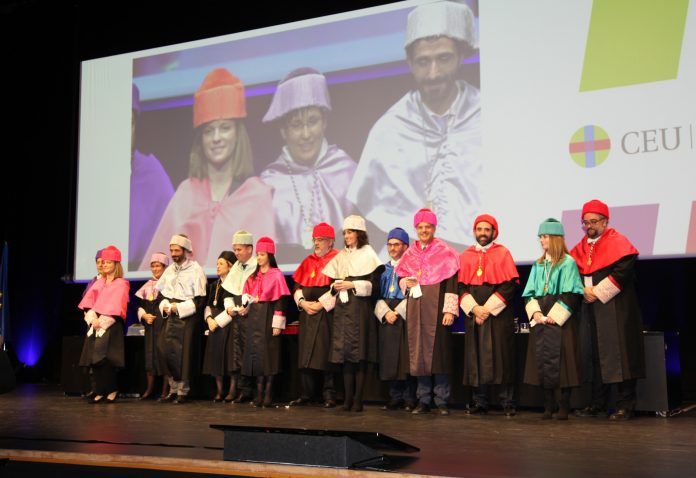
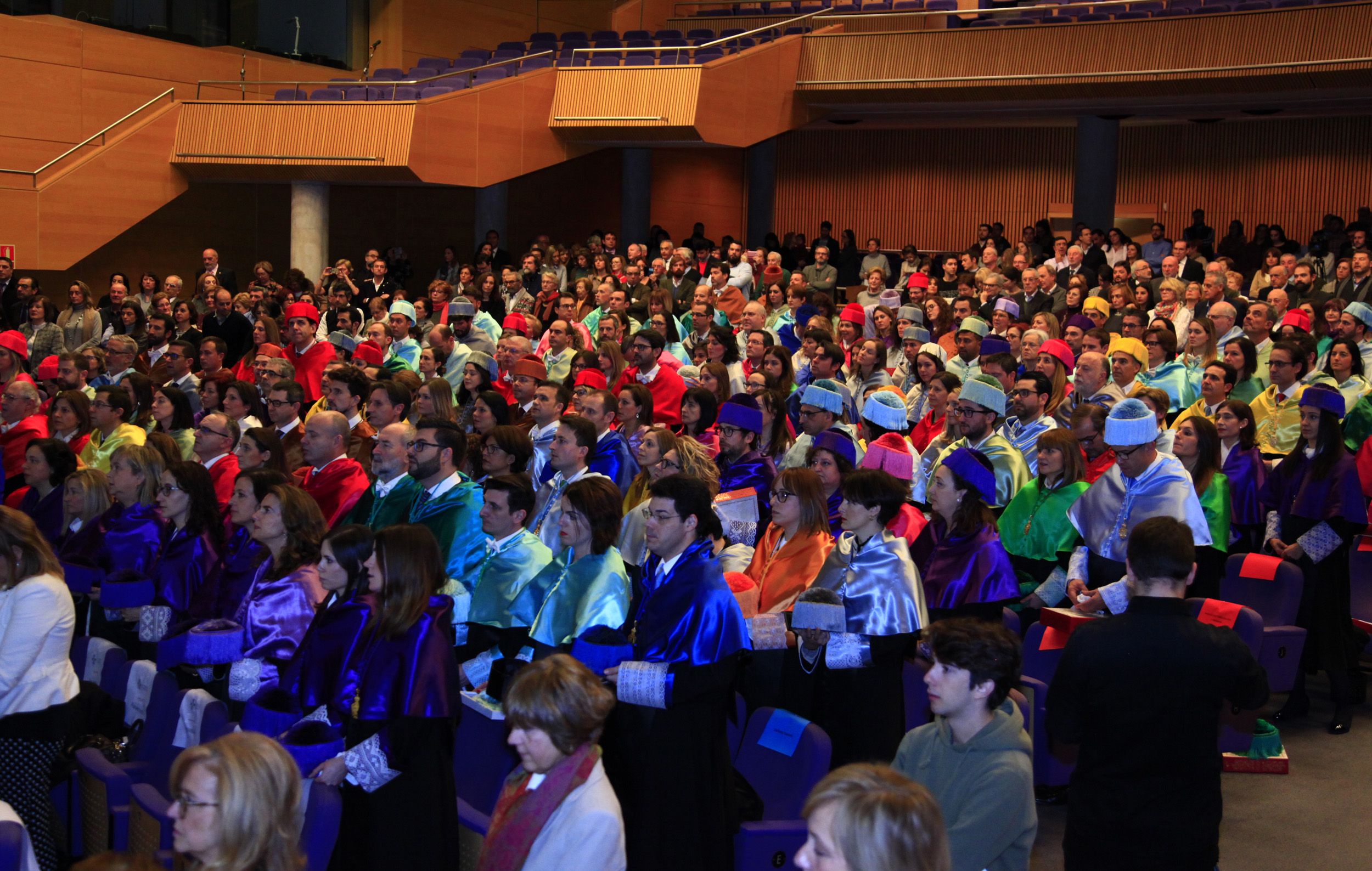
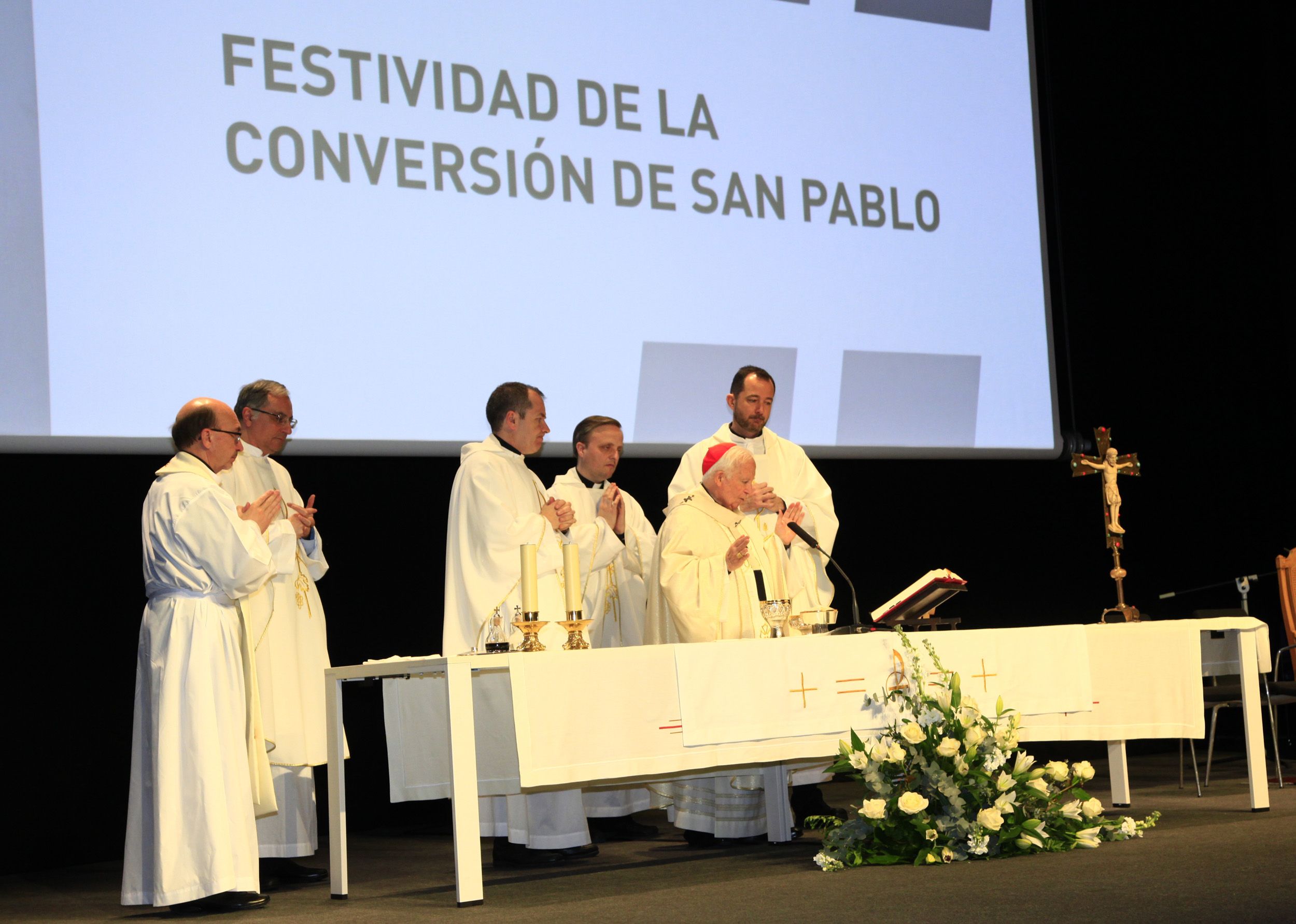
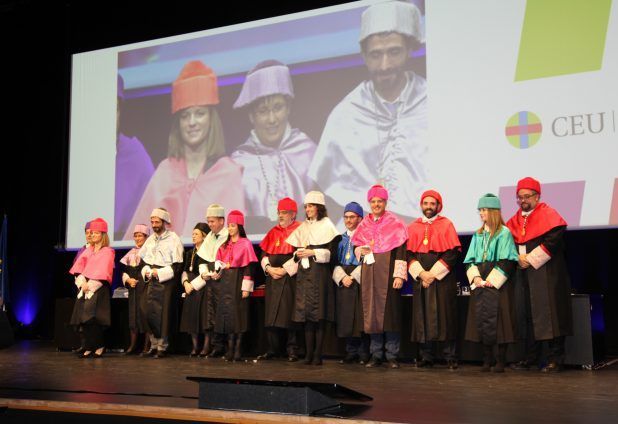
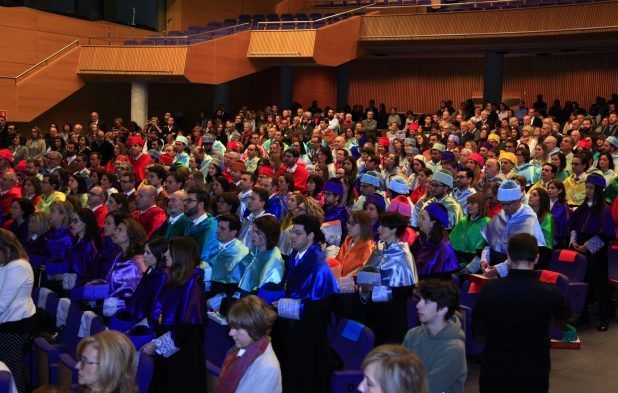
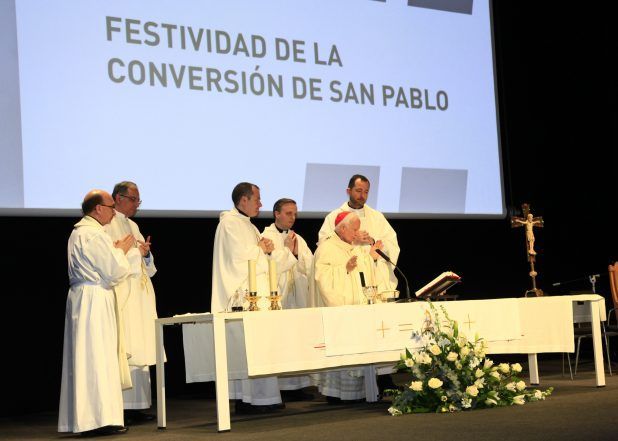
La Universidad CEU Cardenal Herrera ha celebrado en Valencia la Festividad de la Conversión de San Pablo, patrón de la Fundación Universitaria San Pablo CEU. Los actos conmemorativos se han iniciado con una Eucaristía presidida por el Cardenal Arzobispo de Valencia, seguida del posterior acto académico donde se ha investido a 105 nuevos doctores y doctoras por la Universidad, y se han entregado 8 Premios Extraordinarios de Doctorado.
Durante su intervención, la rectora de la CEU UCH ha destacado que actualmente la Universidad tiene más de 11.000 estudiantes de Grado y Posgrado, de los que más de 2.200 son estudiantes internacionales. Con una oferta formativa integrada por unos 50 grados o combinaciones de dobles grados, 7 grados bilingües y más de 60 programas para posgraduados.
Rosa Visiedo ha señalado que la institución celebra en este año “el 10º aniversario de nuestro centro más joven, el de Castellón, al tiempo que cumple 45 años nuestra titulación universitaria más antigua, Farmacia”.
“El año próximo cumpliremos 20 años como Universidad CEU Cardenal Herrera, ya que en 1999 fuimos, por ley, la primera Universidad privada de nuestra Comunidad. Esto nos convierte ahora en la institución decana entre lasuniversidades privadas de Valencia, con un fuerte arraigo a esta tierra y a su realidad social, con centros en las tres provincias. Una institución que, desde sus orígenes, ha querido ser un espacio educativo para todos, un espacio abierto e integrador donde tienen cabida todas las sensibilidades desde el respeto a nuestra inspiración cristiana y a nuestro proyecto educativo, el de la Asociación Católica de Propagandistas”, ha subrayado.
Reconocimientos a la comunidad universitaria
Durante los actos conmemorativos de la festividad del patrón, la Universidad CEU Cardenal Herrera también ha hecho entrega de diferentes reconocimientos a los estudiantes, profesores y personal de administración y servicios que han sido galardonados en la XXI edición de los Premios Ángel Herrera, que anualmente otorga la Fundación CEU San Pablo.
La Universidad también ha entregado sus reconocimientos a los estudiantes y docentes de las diferentes facultades y centros que han resultado premiados con los Ángel Herrera al Mejor Alumno y a la Mejor Labor Docente.
Así mismo, ocho miembros de la comunidad universitaria han recibido la insignia de la institución por sus bodas de plata en el CEU. El director de Proyección Cultural y Social de la CEU UCH, Vicente Navarro de Luján, ha entregado la medalla de plata de la Universidad a la rectora, Rosa Visiedo.
Eucaristía presidida por el Cardenal Arzobispo de Valencia
Los actos conmemorativos se han iniciado con una Eucaristía presidida por el Cardenal Arzobispo de Valencia, Antonio Cañizares, y concelebrada por el capellán mayor de la Universidad CEU Cardenal Herrera, José Francisco Castelló, y otros sacerdotes como el rector del Seminario Corpus Christi, Mariano Ruiz Campos, o el decano de la Facultad de Teología de Valencia, Vicente Botella.
Tanto en la Eucaristía como en el acto académico, celebrados en el Palacio de Congresos de Valencia, la CEU UCH ha recordado a las personas de la comunidad universitaria recientemente fallecidas.
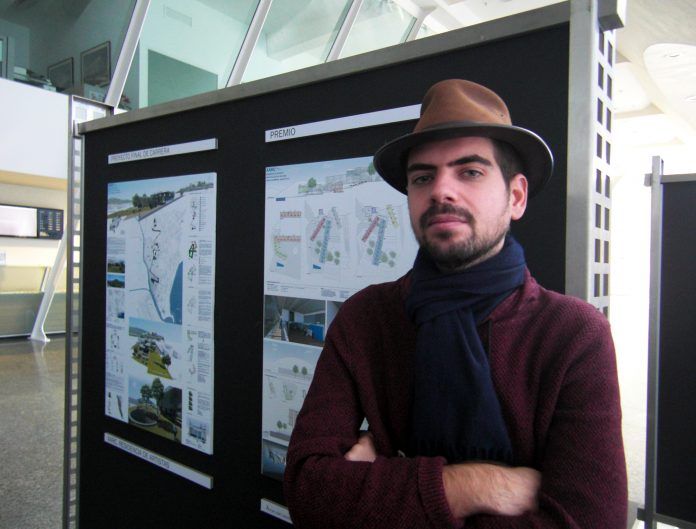
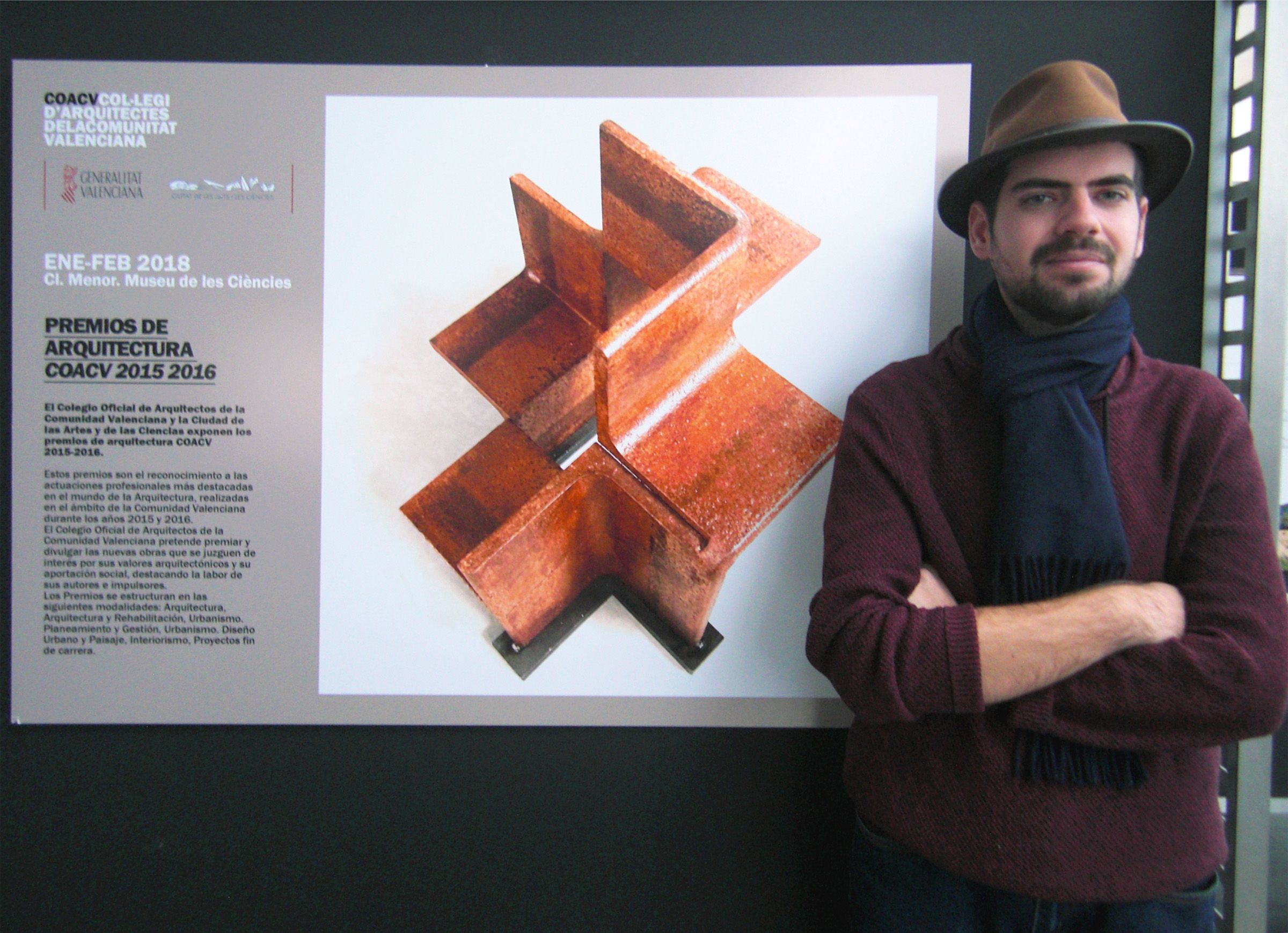
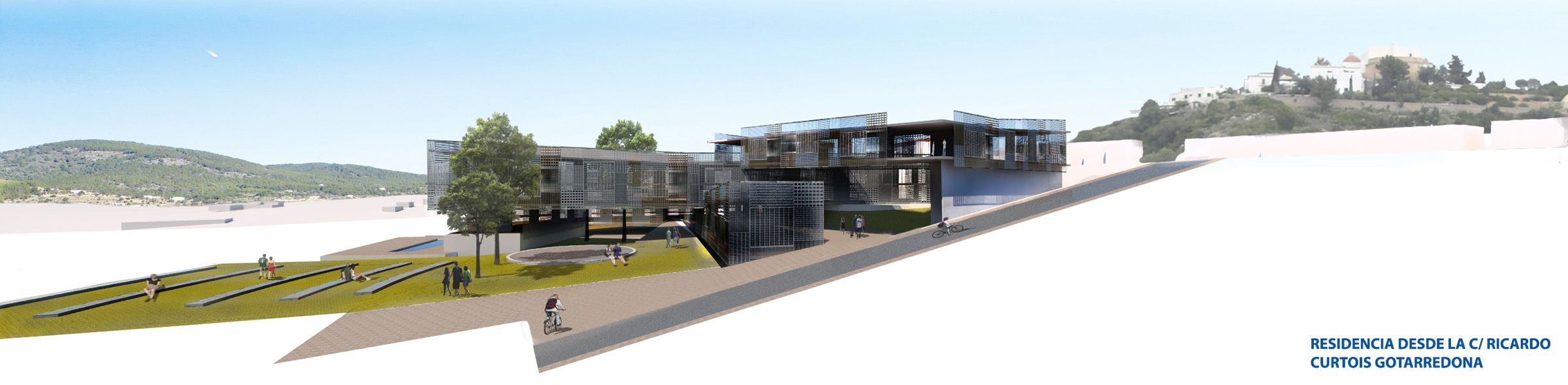
The Final Degree Project (FDP) in Architecture by José Luis Moreno, awarded by the COACV, is currently being exhibited at the Science Museum of Valencia
The Professional Association of Architects of the Region of Valencia (COACV), which awarded this alumni’s FDP as the best of the years 2015-16, organizes the exhibition «Architecture Awards«, which can be visited until February 25th
José Luis Moreno Delgado, formado en Arquitectura en la CEU-UCH, premio al mejor Proyecto Fin de Carrera del Colegio de Arquitectos de la CV, en la exposición del Museo de las Ciencias.
José Luis Moreno Delgado se formó en Arquitectura en la CEU UCH de Valencia.
The exhibition is structured following the different sections of the COACV Awards: Architecture, Architecture and Rehabilitation, Urbanism, Interior Design and Final Projects. In this last category, along with the award-winning work of José Luis Moreno Delgado, the FDP of another CEU alumni, Ernesto Correa Selva, who received one of the two mentions of honor in the same COACV call for his project, is also on display.
Three consecutive prizes for CEU Valencia
The award for the best biennial FDP to José Luis Moreno was the third consecutive award for a student of CEU Valencia. Now everyone can see in the Science Museum of Valencia his project ‘Xarc’: a project between urban and rural. For José Luis, «both the dialogue and the disposition with the environment is what makes the proposal unique. It is a visual and volumetric project that can be labeled as experimental, modern, daring… But in reality, it picks up the architecture and traditions of the island of Ibiza, setting them under new codes and materials «.
El proyecto ‘Xarc’, de José Luis Moreno, premiado como mejor Proyecto Fin de Carrera en Arquitectura, por el COACV.
While his work is exhibited in Valencia, the alumni of Architecture José Luis Moreno has already begun to enjoy the scholarship granted by Arquia, among Architecture students from all over Spain, at the headquarters of the Metropolis Foundation in Madrid. José Luis has been working for more than a month in this Foundation, dedicated to the design of urban solutions for the cities of the future, with headquarters in London, Mexico, Bogotá, and Singapore, as well as Madrid.
The European Association of Establishments for Veterinary Education (EAEVE), the official authority for the accreditation of Veterinary Education Centers in Europe, has informed University CEU Cardenal Herrera about the accreditation
The EAEVE has two standards: the level of approval and the level of accreditation. This second, which is the maximum that can be achieved, involves evaluating not only the academic level of the degree but also the quality processes that guarantees the training and operational excellence
The Faculty of Veterinary Science of University CEU Cardenal Herrera has obtained the «approval and accreditation» of the European Association of Establishments for Veterinary Education (EAEVE), the international body that officially accredits Veterinary Education Centers in Europe.
This way, the Faculty of Veterinary of CEU Valencia becomes the first private faculty in Spain and Europe that achieves the approval and accreditation by the official European authority.
The EAEVE is the entity that brings together the main European Faculties of Veterinary. This entity has a demanding process of analysis and review of veterinary degrees to grant them, if they show that they have the high standards required, which is called the level of approval. It is a process to which the Veterinary Faculties voluntarily submit their candidature if they consider that they meet the requirements to be cataloged as excellent by this prestigious organization.
The EAEVE has two standards: the level of approval and the level of accreditation. This second, which is the maximum that can be achieved, involves evaluating not only the academic level of the degree but also the quality processes that guarantee the training and operational excellence.
The evaluation commission of the EAEVE officially announced this morning that the Faculty of Veterinary Science of CEU Valencia managed to surpass the two levels of quality: approval and accreditation.
«THIS IS THE CULMINATION TO 20 YEARS OF WORK BY PEOPLE IN THE CEU STYLE«, HAS DECLARED THE DEAN OF THE FACULTY OF VETERINARY, SANTIAGO VEGA.
With more than 20 years of experience, Veterinary atUniversity CEU Cardenal Herrera is a reference in the Valencian Community, pioneer in the implementation of these studies in our region.
Internationalization, research, rigorous theoretical and practical training are the characteristics that define and characterize the Veterinary degree of University CEU Cardenal Herrera, a reference center that offers its students tailor-made learning with professionals and professors internationally renowned internationally and facilities that facilitate the practice from the first year of the degree.
Students from 70 countries share space in the Faculty of Veterinary Medicine of the CEU UCH. It is the only Veterinary Faculty in Spain with three different language groups (Spanish, French and English).
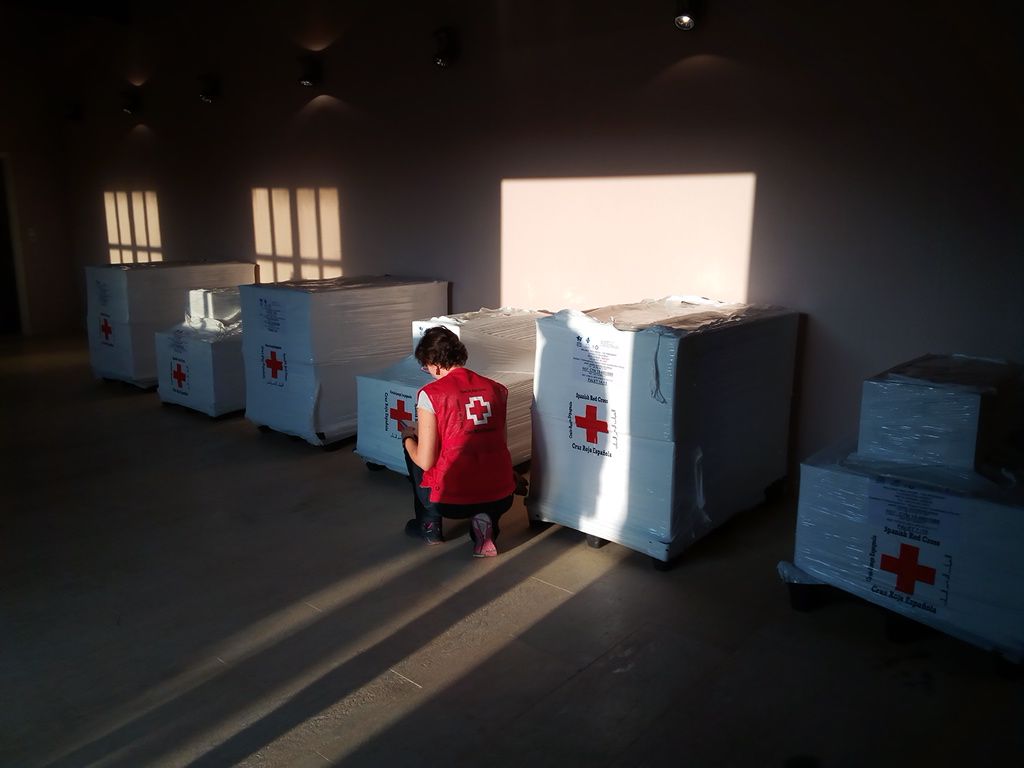
She is 34 years old and is currently studying first year of Nursing in CEU Castellón. But she has never stopped learning and helping others since she was a little kid. She has been collaborating with the Red Cross for twelve years, travelling around the world to improve the lives of those who suffer: sick people, refugees, victims of natural disasters…
Ana Blanco believes that education is a key factor for the privileged society to leave their comfort zone, for it develops critical thinking and fosters commitment to others, which leads to happiness.
You’ve been with the Red Cross for twelve years, helping to make this world a better place. In how many international missions have you participated so far?
In 2008 I worked in Mexico supporting the International Federation of Red Cross and Red Crescent Societies in the logistics needed for the 17th International Conference on HIV and AIDS.
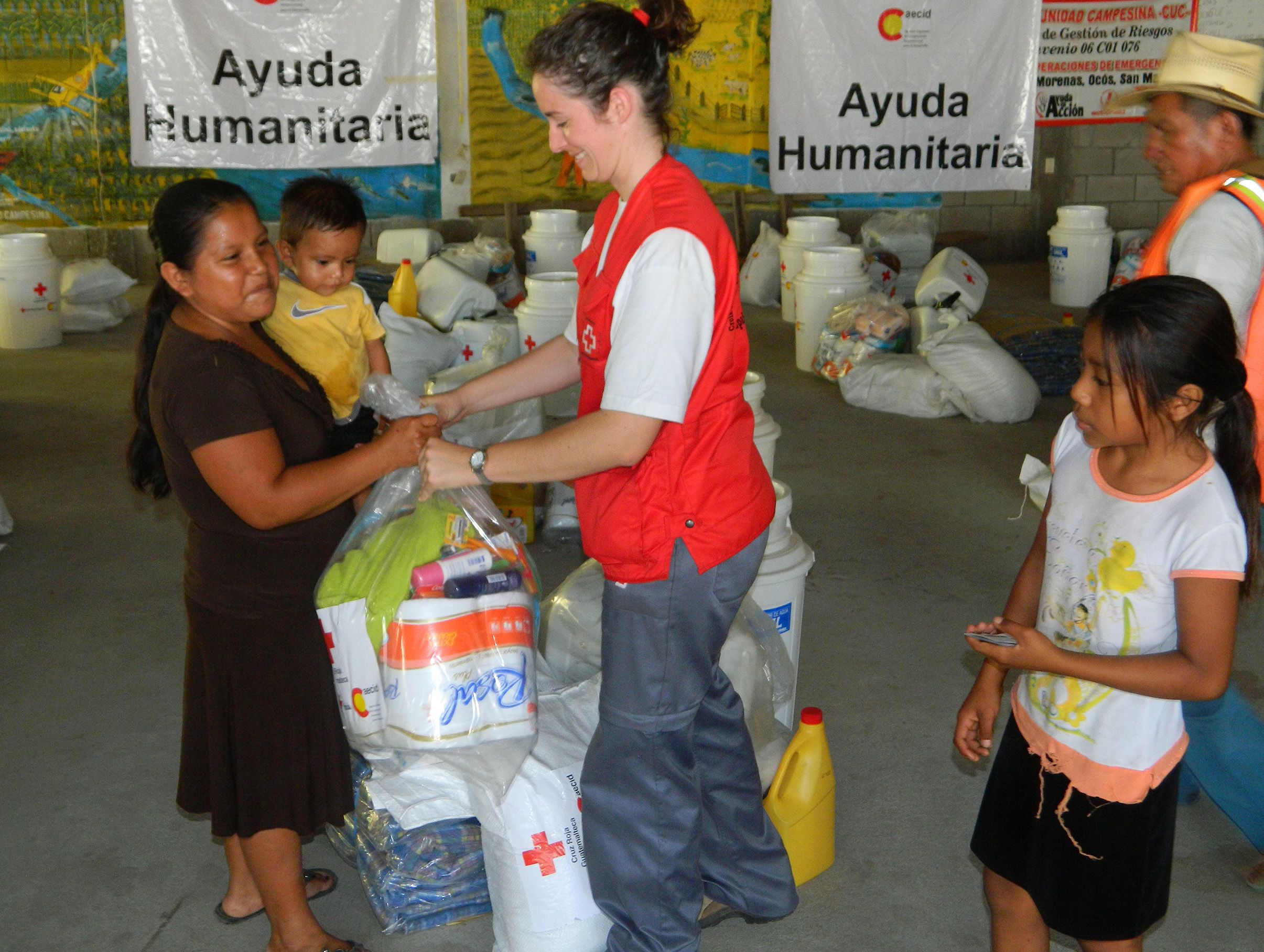
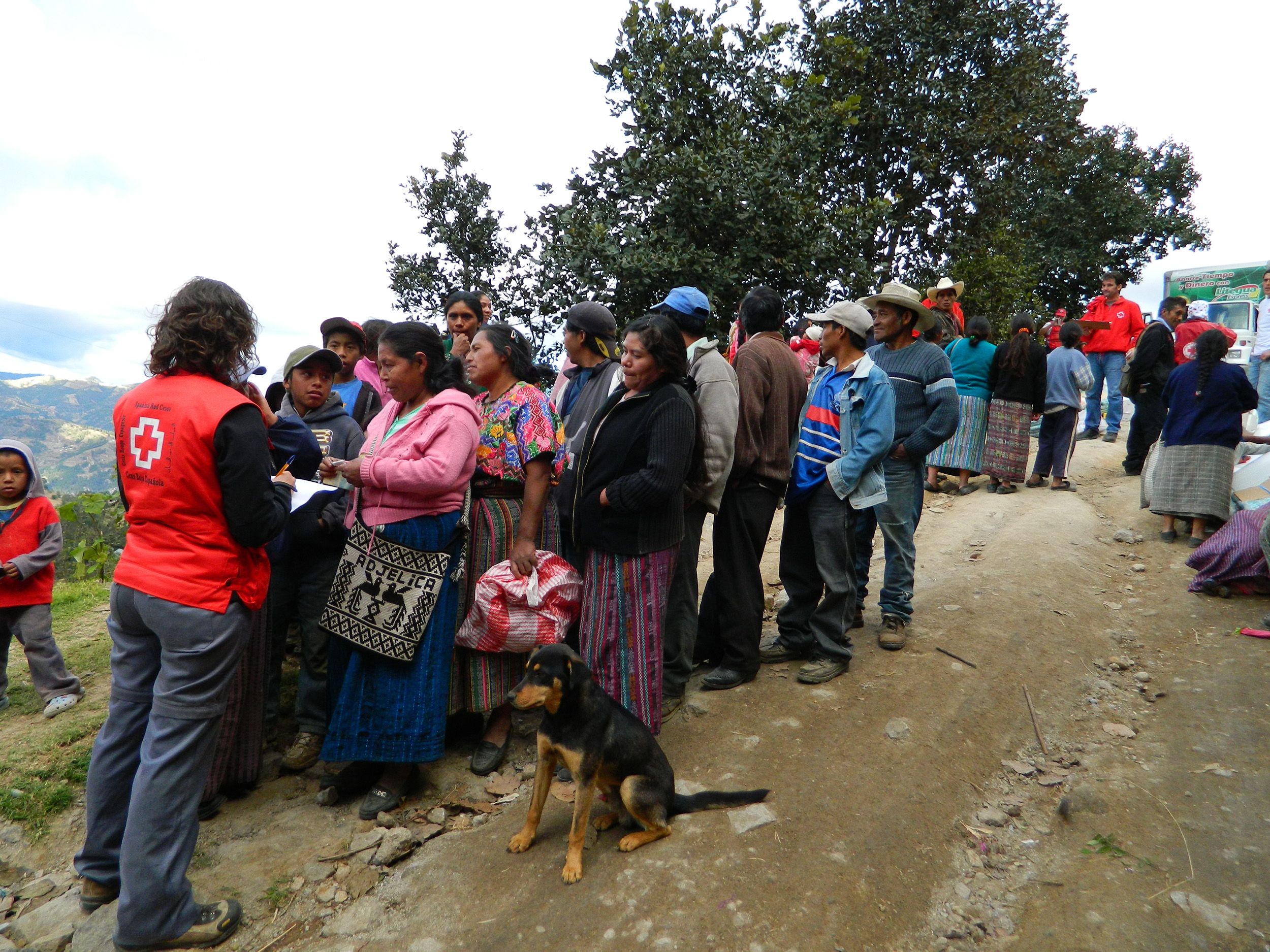
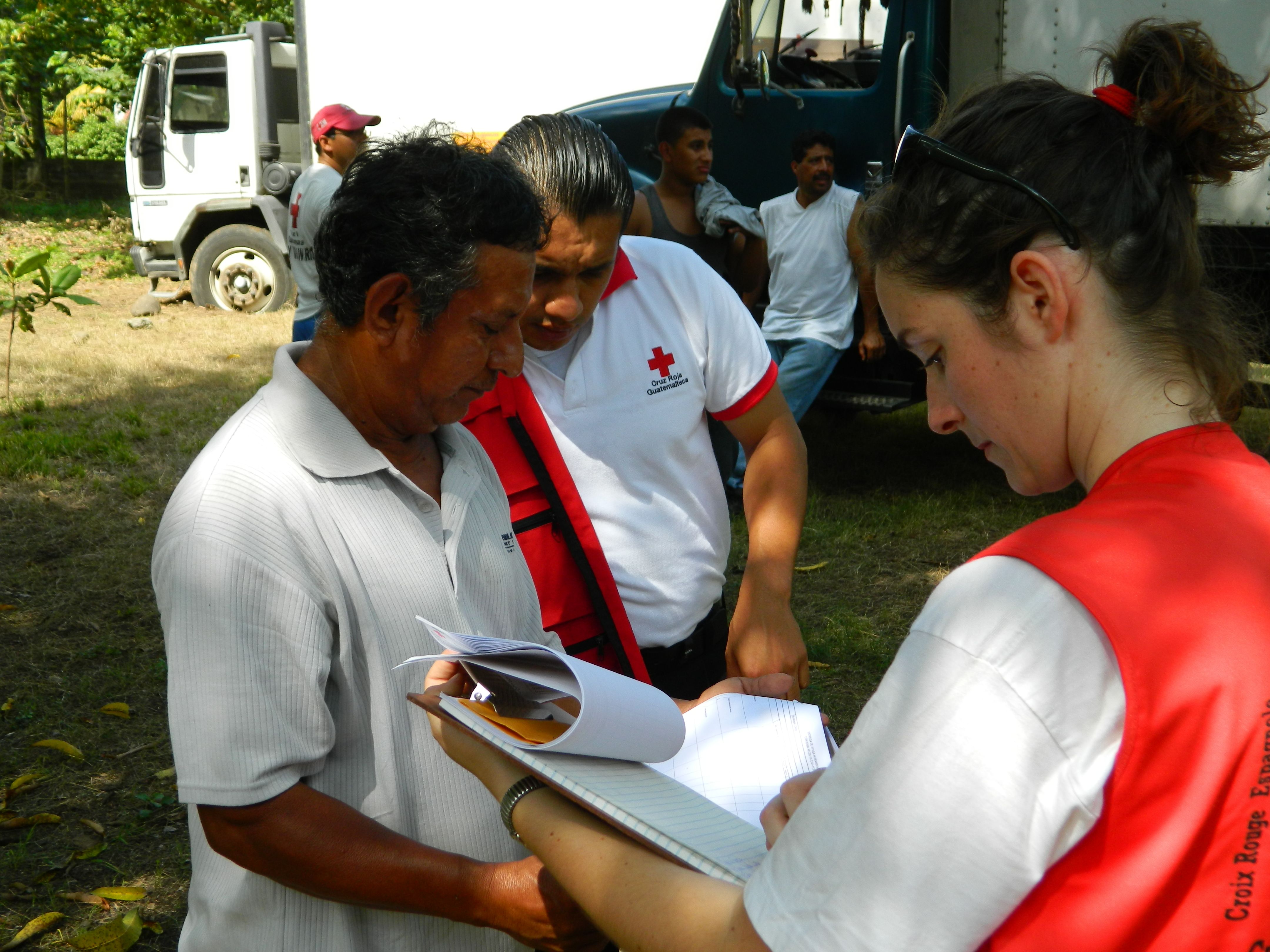
In 2011 I participated, this time as a volunteer, in an operation with the Delegation of the CRE (Spanish Red Cross) in Guatemala, for the distribution of Humanitarian Aid in the communities most affected by the tropical storm E-12 that hit Central America.
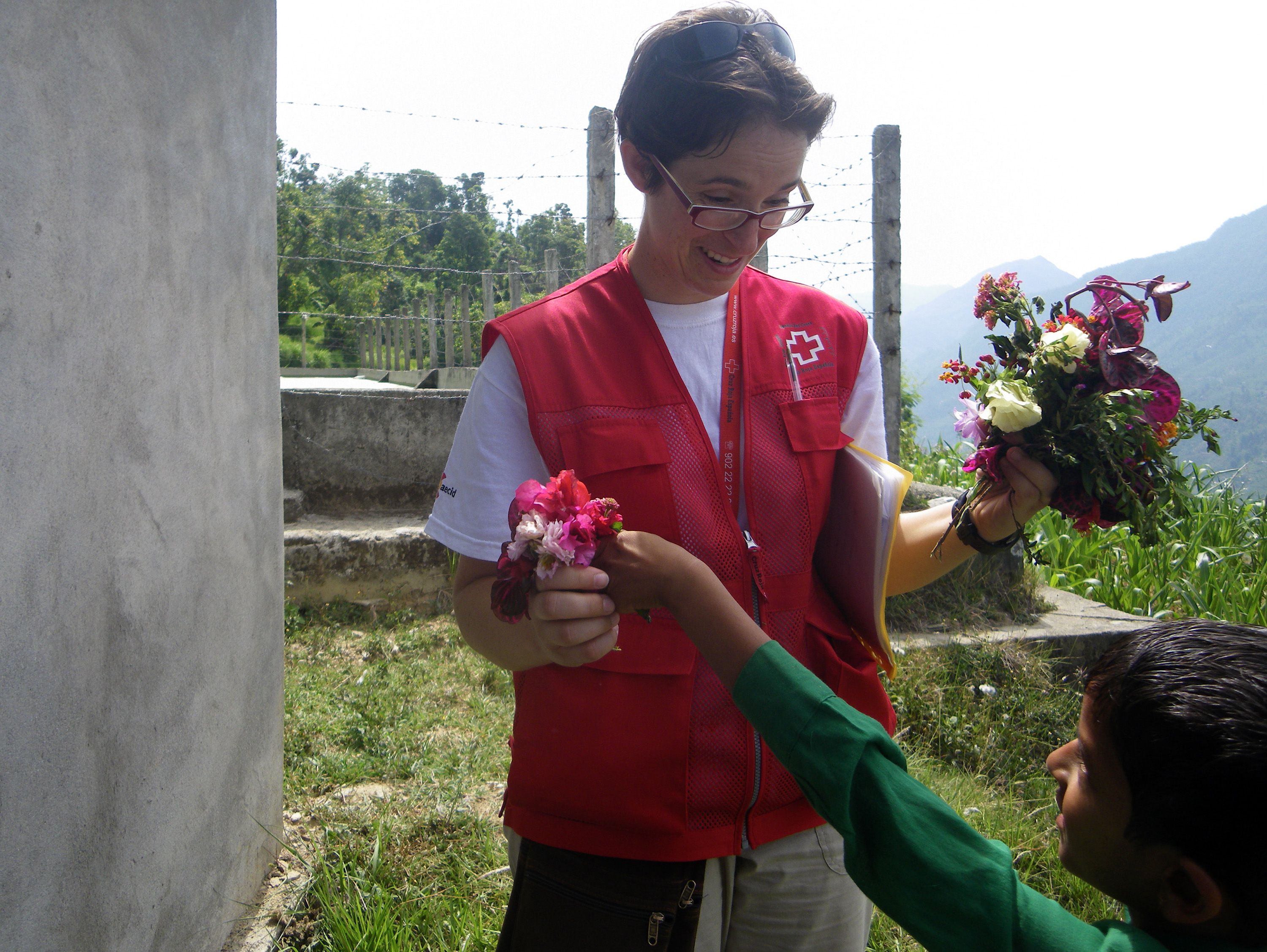
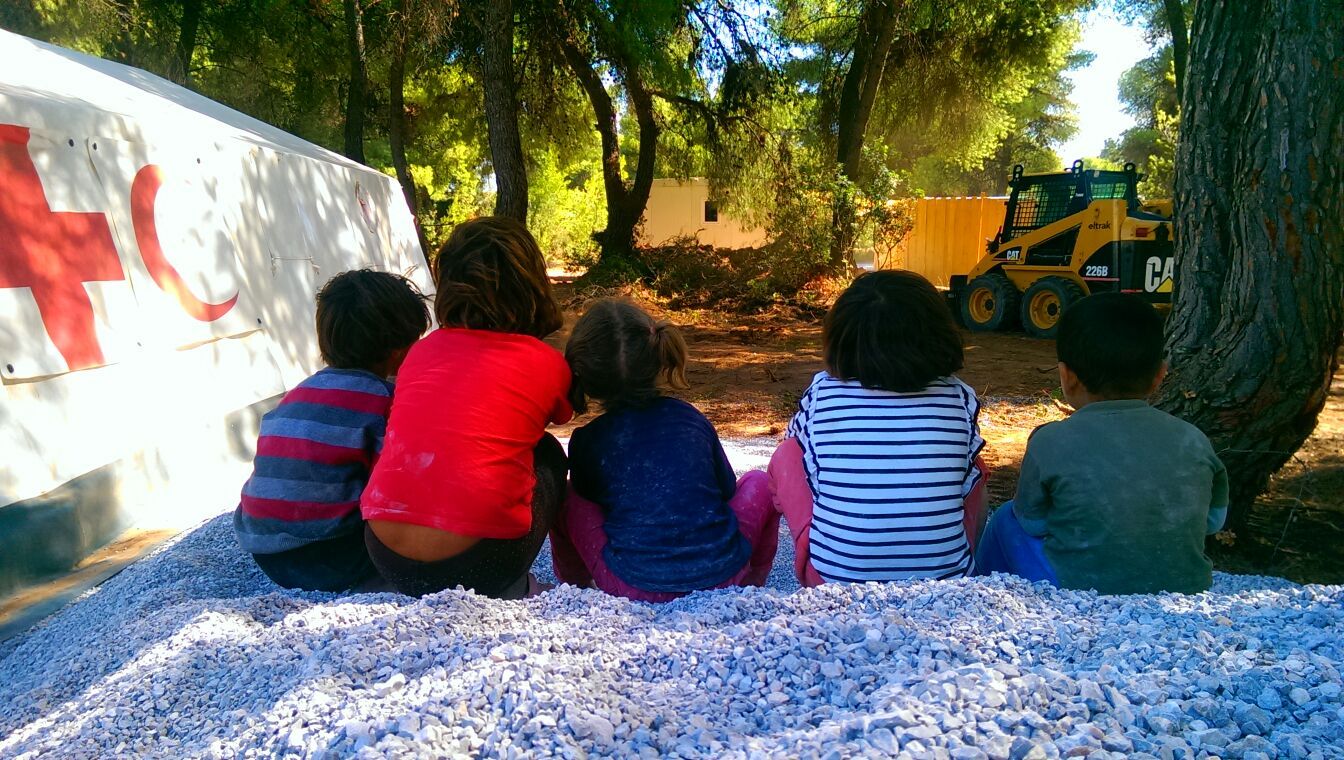
In 2015 I was part of the second Mass Sanitation team that travelled to Nepal to help the rural population of the pre-Himalayas. And that same year I went with the first team to the Greek islands as a Psychosocial delegate for the reception of refugees and migrants arriving in Europe, during their first hours on European soil.
‘INTERNATIONAL COOPERATION GIVES ME HOPE IN A BETTER WORLD AND HELPS ME BELIEVE AGAIN IN THE HUMAN BEING. ONE NEEDS TO EXPERIENCE THE PERSONAL GROWTH THIS MEANS’
I worked in the ame destination at the end of 2016, this time in a refugee camp in Greece, also as a Psychosocial delegate.
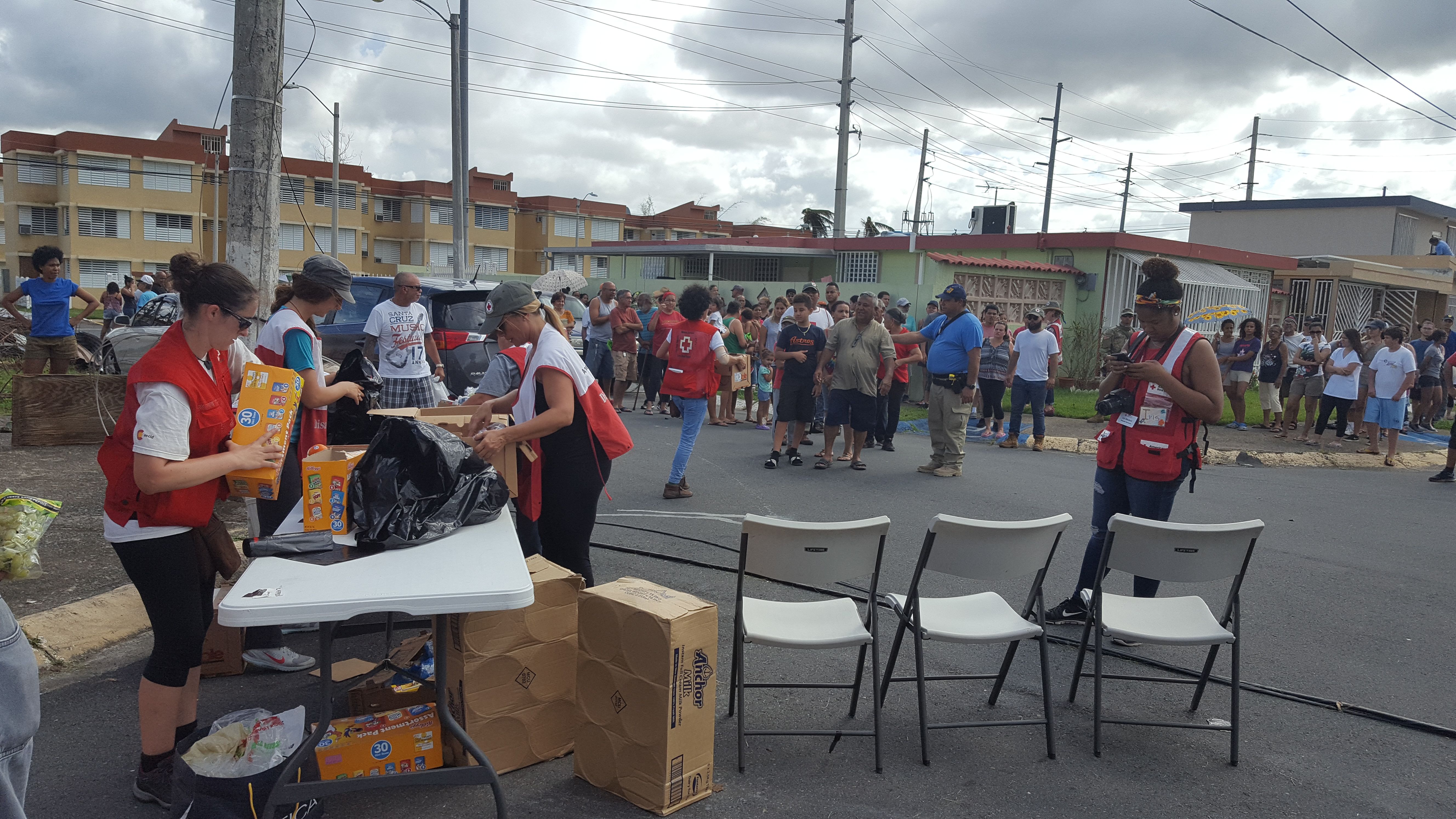
And in 2017 I was in Puerto Rico, as part of the distribution team that the CRE sent to support the American Red Cross in the distribution of humanitarian aid after Hurricanes Irma and Maria.
How did you end up working with the Red Cross?
In 2006 I did a Postgraduate course in Humanitarian Aid in Mali and found that I loved International Cooperation in emergency situations.
As a result of this experience, I became a Red Cross volunteer in Castellón in international cooperation projects (to raise awareness, mainly) and national emergencies (as part of the Immediate Response Team in Emergencies -ERIE- of Provisional Shelter). Although I have not always been in the same projects for reasons of availability and needs of the organization, I continue as a volunteer in Castellón, now more focused on the training department.
‘THERE WOULD BE MORE PERSONAL AND SOCIAL COMMITMENT IF WE COULD FOSTER PEOPLE’S CRITICAL THINKING TO VERIFY THE INFORMATION AND BE CONSISTENT WITH THEIR BEHAVIORS‘
What does international cooperation mean to you?
I have always liked to travel, I like human contact, meeting people from other places, knowing more about their ways of living…
Seeing first hand the solidarity and the human value of the people who have lost everything and yet share and offer what they have to others without thinking of themselves individually, but collectively, as a community… it is something that I love and something which contrasts to other selfish, egocentric and competitive attitudes that are most present, unfortunately, in our society.
It gives me hope in a better world and makes me believe in the human being again. The personal enrichment that I suppose is very difficult for me to explain with words, you have to experience it so you can understand it.
From what mission have you come back prouder?
All of them are different and in all of them I have returned home with a backpack full of experiences, learning and mixed emotions that sink in as time goes by and help me not to lose my focus of creating a better world.
‘IN CEU I HAVE SEEN TEACHERS MORE CONCERNED ABOUT THE ACTUAL LEARNING OF THE STUDENT AND NOT SO FOCUSED ON PASSING THE EXAMS. THIS SEEMS TO ME A MAJOR POINT IN TODAY’S EDUCATION
Perhaps I was particularly struck by Nepal, by the resilience of the population, their ability to overcome sudden adversities. The human values and dedication to others they showed when they left their jobs and studies in the capital to return to their rural communities to help in the reconstruction.
Do you think that our society wants to know what happens outside our comfort zone?
I think that nowadays it is not difficult to know what happens outside of our immediate environment, but we are not always prepared to accept certain circumstances.
Therefore, although I believe there is a certain awareness in our society, it is necessary to continue raising it. It does not hurt anyone to be reminded of things from time to time so we don’t fall into desensitization.
How can people get more involved?
I believe that, with the strengthening of people’s critical capacity and ability to contrast information and be consistent with their attitudes and behaviors, there would be more personal and therefore social commitment. By helping those in our surrounding environment, without having to trample on anyone (with or without intention), we would make our society more appealing, and that would motivate other people to follow the example.
Baden Powell said: «The best way to be happy is to make others happy.» I consider that this implies knowing you well, being coherent and feeling comfortable with yourself.
‘HELPING THOSE WHO SURROUND US, WE WOULD MAKE SOCIETY MORE ATTRACTIVE, AND THAT WOULD MOTIVATE OTHERS TO FOLLOW THE EXAMPLE’
Do you think that our youth is supportive enough?
Indeed. That is why it is important to continue working on the education of people at any age: some of them are growing and building themselves and others have passed that evolutionary stage, so they can become a reference to those who are still defining and deciding who and how they want to be.
Are there many young people in the missions in which you participate?
I have found everything, both people over the age of 70 and under 30, who are always doing an extraordinary job, even in contexts with very harsh conditions due to the characteristics of the emergency itself.
It has been very gratifying to see in each mission that the quality of the work we do is not due to age, but to the education and responsibility of the organizations and the people that collaborate.
‘I WAS ESPECIALLY IMPACTED BY THE ABILITY OF THE NEPALI PEOPLE TO OVERCOME SUDDEN ADVERSITIES AND THE DEDICATION THEY SHOWED TO OTHERS BY LEAVING THEIR JOBS AND STUDIES TO HELP’
The coordination of resources between organizations is always the best formula for a high-quality and successful intervention.
It is very cool to have the opportunity to experience it and to see how, from a certain moment, all the pieces start to fit together thanks to the joint contributions.
Speaking of education. Are you satisfied with your Nursing studies at CEU Castellón?
Yes. It has been a crazy semester and, although I do not regret it at all, now everything is slowly coming together. I am very happy, but it was not like that at the beginning, because I was left without a place in the two universities I requested. CEU Castellón was my last option for obvious economic reasons. I know teachers in the three universities and I think they are all of top quality.
But the situation did not last long. From the informative sessions, I perceived in CEU a unit in the teaching staff oriented towards the actual learning of the student and not so much a focus in exams. This seems to me a very major point in today’s education, and I have come across many educational models, both as a student and as a teacher.
The facilities are very good, and the distribution of the curriculum also seems logical to enhance student learning.
The truth is that I feel fortunate because, despite having so much demand, I have been able to access this degree, my priority for the next four years.
The degree will be your top priority, but you will not stop doing other things …
(Laughter) It is true, but I have now reoriented my time and my commitment to studying the degree in Nursing, which I have always left aside to focus in other challenges. Thanks to friends and family who have been convincing me over the time, it was just the right moment.
I currently combine these studies with my family and my job as a trainer to try to help other people as a way to improve the world. So far, I do it from the Red Cross and the Lluerna School of the Federació d’Escoltisme Valencià. I have tried to stay still and quiet, but I am always lacking something!
‘IT IS IMPORTANT TO FOSTER EDUCATION AT ANY AGE: SOME PEOPLE ARE BUILDING THEMSELVES AND OTHERS CAN BE A REFERENCE TO THOSE WHO ARE STILL DECIDING WHO AND HOW THEY WANT TO BE’
Taking a look at your résumé, it is clear that you believe in education.
Yes, I think it is necessary to study to do things in the best possible way.
In the field of Health Sciences, which I have always liked, I started in 2006 as a lifeguard at the Red Cross and, since then, I have never left it. I have been enriching my training and contributing in prehospital care throughout these years when there has been a gap.
In recent years I have been an aquatic rescuer of Maritime Rescue as part of the team of Red Cross volunteers in Castellón.
I am 34 years old and I have not stopped studying since I finished high school in 2001. After the Diploma in Tourism, I oriented my career towards cooperation and emergencies, and after a very special work experience that was presented to me in 2009 as Integration Specialist Social in a residential center with people with severe mental illness, I completed my education with various social studies of both formal and non-formal education.
‘BEING ABLE TO ANALYZE YOUR VIRTUES AND DEFAULTS, AS WELL AS YOUR PERSONAL POTENTIAL AND LIMITATIONS, CAN MEAN THE DIFFERENCE BETWEEN SUCCESS OR FAILURE’
And in volunteering.
Of course. Since I was little I have understood volunteering as a way of life, I started in Scouting as an educator in a Scout Group, and I increased my commitment to others with other organizations, such as the Red Cross.
If a classmate decided to join your adventure of changing the world, what advice would you give him/her?
Lifelong education and training is basic to any aspect of life. It is obvious to do it for the intervention that you are going to make, but I also think it is very necessary, even essential, to train yourself in social skills and personal development, to know yourself in your normal context in order to get to know yourself in other contexts.
Being able to analyze your strengths and weaknesses, as well as your potential and personal limitations, can mean the difference between success or failure, as well as exposing yourself to foreseeable and unnecessary risks that endanger, in addition to work, your life and that of the people you intend to help.
Other challenges?
The Degree in Nursing is the challenge which I am now devoted to. Who knows what others may come up? But the challenge is always to continue enjoying what I do.
Which is already a big challenge. Thank you very much for everything, Ana.
Con Irrational man (Woody Allen, 2015) arranca este jueves el ciclo de cine y misterio humano que organiza la Universidad CEU Cardenal Herrera de Castellón junto a la Asociación Católica de Propagandistas y el Real Casino de Castellón.
El objetivo del ciclo, que se celebra en el Casino los cuatro jueves comprendidos entre el 8 de febrero y el 1 de marzo, es profundizar en algunos aspectos de la existencia humana, de la mano de películas recientes con éxito de crítica.
En concreto, el ciclo abordará la racionalidad/irracionalidad de las decisiones humanas (Irrational man), la ética del dinero y la búsqueda de la felicidad (Money monster -Jodie Foster, 2016-, el 15 de febrero), la vocación religiosa en un contexto contemporáneo (Si Dios quiere -Edoardo Maria Falcone, 2015-, el 22) y el heroísmo que puede despertarse en situaciones dramáticas (Sully. Hazaña en el Hudson -Clint Eastwood, 2016-, el 1 de marzo).
Todas las sesiones, con entrada libre, comienzan a las 18 horas. A las proyecciones seguirá un coloquio sobre la película.
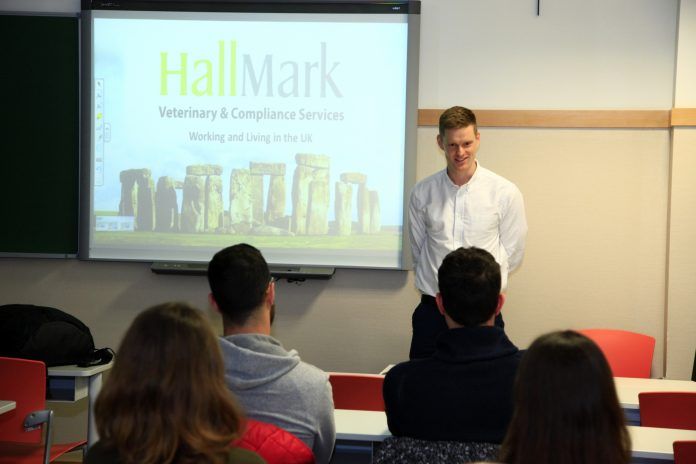
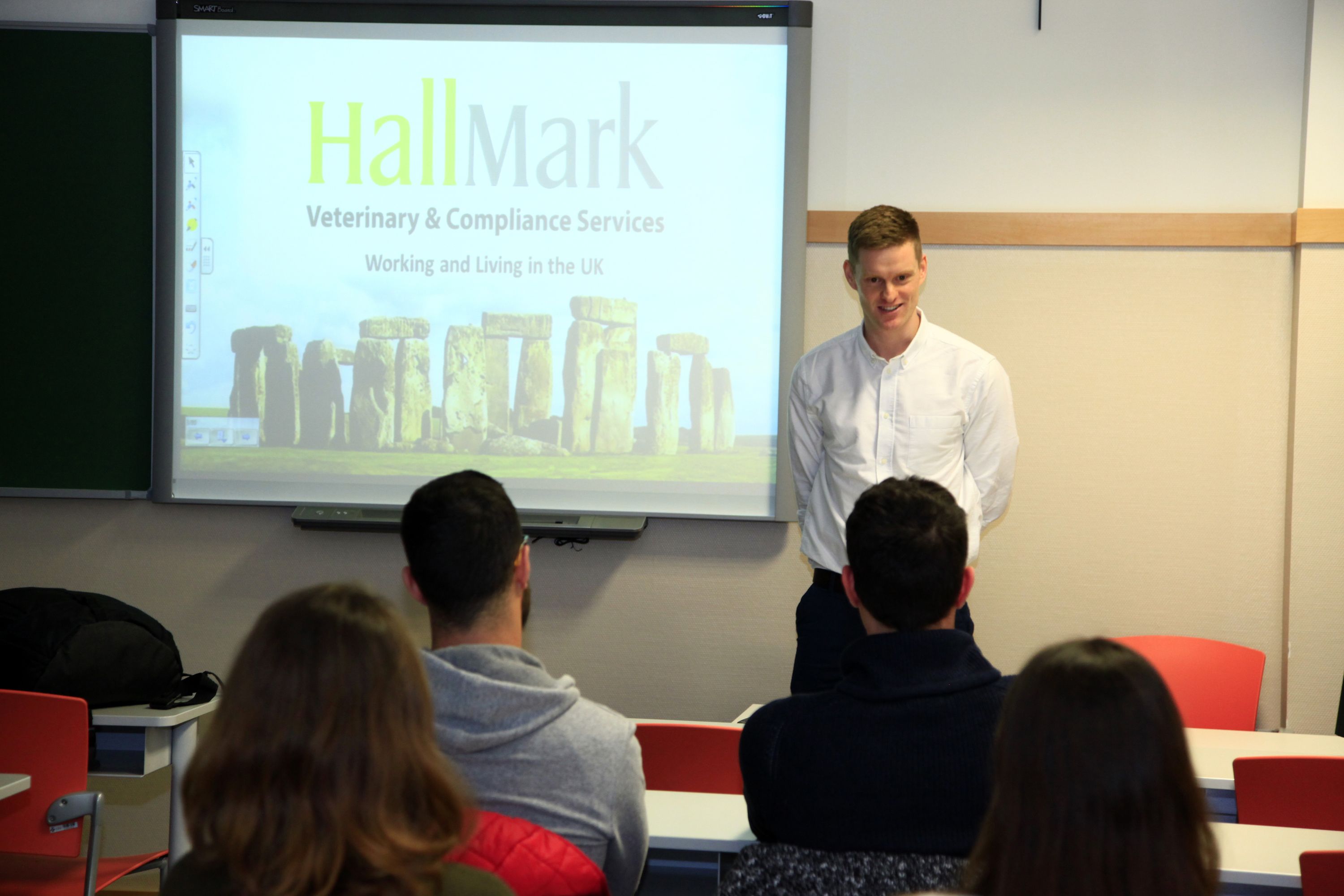
Last-year students and veterinarians of University CEU Cardenal Herrera attended a meeting with representatives of the company HallMark Veterinary & Compliance Services.
Patrick Steel, Resource Manager at HallMark Veterinary & Compliance Services, explained the recruitment processes that the company has currently open to hire Veterinarians interested in working in the UK, and encouraged young people to participate. HallMark Veterinary & Compliance Services is a company that develops different veterinary tasks for the government.
In this meeting, students and alumni of CEU Valencia had the opportunity to learn about the experience of Spanish veterinarians who develop their professional career in the United Kingdom.
The Faculty of Veterinary Medicine and the Careers Service of our University organized this meeting with HallMark Veterinary & Compliance Services, with the aim of offering professional development opportunities to students and alumni.
From the Careers Service of CEU UCH, we strive to enhance individual talent to improve employability of students and professionals, alumni of CEU Valencia. For this purpose, different employability programs are developed, recruitment and networking events are scheduled, as well as providing a personalized advice and guidance service to students and professionals.
The Cardinal Archbishop of Valencia presided over the Eucharist, a tribute to the patron of the San Pablo CEU University Foundation
Rector Rosa Visiedo has received the silver medal of the University for her 25 years of work and commitment to the institution
University CEU Cardenal Herrera has celebrated in Valencia the feast of the Conversion of Saint Paul, patron saint of the San Pablo CEU University Foundation. The commemorative event began with a Mass and Eucharist presided over by the Cardinal Archbishop of Valencia, followed by the subsequent academic ceremony where 105 new doctoral graduates have been invested by the University, and 8 Extraordinary Doctorate Awards have been awarded.
During her speech, the Rector of CEU Valencia stated that the University has currently more than 11,000 undergraduate and graduate students, of which more than 2,200 are international students. With an academic offer formed by about 50 degrees or combinations of double degrees, 7 bilingual degrees and more than 60 programs for postgraduate students.
Rosa Visiedo pointed out that the institution celebrates this year «the 10th anniversary of our youngest center, that of Castellón, coinciding with the 45th anniversary of our oldest University degree, Pharmacy«.
«Next year we will celebrate 20 years of University CEU Cardenal Herrera, since 1999 when we were, by law, appointed the first private University in our region. This now makes us the oldest institution among the private universities of Valencia, with strong roots in this region and its social reality, with centers in the three provinces. An institution that, since its origins, has wanted to be an educational space for all, an open and inclusive space where all the sensibilities can be accommodated from the respect for our Christian inspiration and our educational project, that of the Catholic Association of Propagandists«, she has underlined.
Acknowledgment to the University community
During the commemorative events of its patron’s festival, University CEU Cardenal Herrera has also presented different recognitions to the students, professors and administration staff and services that had been awarded in the 21st edition of the Ángel Herrera Awards, awarded annually by the CEU San Pablo Foundation.
The University has also awarded students and teachers of the different faculties and centers with the Ángel Herrera Award for the Best Student and for the Best Teaching Work.
Likewise, eight members of the university community have received the institution’s medal for their 25 years in CEU Valencia. The Director of Cultural and Social Projection of CEU Valencia, Vicente Navarro de Luján, has awarded the silver medal of the University to the Rector, Rosa Visiedo.
Mass and Eucharist presided over by the Cardinal Archbishop of Valencia
The commemorative events began with a Mass and Eucharist presided over by the Cardinal Archbishop of Valencia, Antonio Cañizares, and concelebrated by the senior chaplain of University CEU Cardenal Herrera, José Francisco Castelló, and other priests such as the Rector of the Corpus Christi Seminary, Mariano Ruiz Campos, or the Dean of the Faculty of Theology of Valencia, Vicente Botella.
Both in the Mass and Eucharist and in the academic ceremony, held at the Valencia Conference Center, CEU Valencia has devoted a moment of remembrance to those recently deceased members of the community.
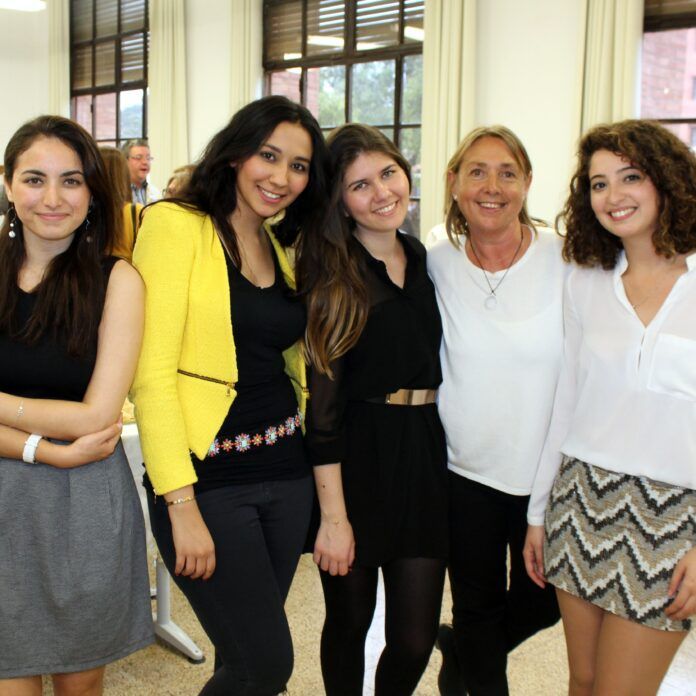
Yasmine Svistakova, Fatima Zahra Bidnaben, Salma El Omari and Maha Aherdan Homman-Ludiye – four Moroccan girls in Valencia. All of them are studying Pharmacy at University CEU Cardenal Herrera. The students let us delve into their home country and let us try the taste of Morocco: they organized a presentation about Moroccan food and its culture.
It is high time, to get to know the girls: Yasmine, Fatima, Salma and Maha gave us some impressions about their Moroccan home, about their life in Valencia and, of course, their traditional food.
Bonjour les filles. Your Spanish sounds pretty authentic – for how long have you been here in Valencia?
Fatima: Oh, thank you. Well, Yasmine and me have been here for four years now, Salma has been here for three years and Maha for two years. Before we came here, we had not known any Spanish, however. So when we arrived here it was quite hard for us to follow the classes – as for students of Pharmacy – all the classes we have are in Spanish. But our professors and the other students have always helped and supported us. When we have had any question or doubt, the professors have always offered us explaining something we have not understood. Now, we have a lot of Spanish friends and our Spanish has improved a lot.
A brave decision you took – coming to a country whose language you had not known before. Did Valencia’s beach and climate convince you to study here?
Yasmine: Valencia, of course, is not a bad place to study at. You must know, that most of the Moroccan students study abroad. Our universities at home are not very accessible and it is quite difficult to study, for example, pharmacy there. So I was told by a friend about the University CEU Cardenal Herrera in Valencia. As Moroccan people usually spend their holidays in Spain, it has always been a country for us which we associated with holidays. But we have soon experienced that it is a country which has much more to offer. High academic standards were, of course, also important for us. The University CEU Cardenal Herrera fulfills all the expectations we had. It is accessible, you receive a lot of support and help and the academic standards are also very high.
Maha: Salma and I had studied at other universities before we came here. I studied in Brussels, but although I did not have any linguistical problems, the studies there were quite hard there. My friend Yasmine told me about her university in Valencia and about how much she liked studying there, so I decided to come here. I can really see the difference here now and I like studying here so much better. The quality of classes is higher, the professors are very competent and explain everything in a very detailed way. I also really like the people here who are much more friendly, open and helpful.
Salma: I studied in a big university in France – in the beginning of the studies we were 3000 students in only one course. There was a lot of competition and nobody who to really help and support you. I am also very happy to be here now – in academic and also daily-life terms. Valencia is such a nice place to stay.
Morocco is a country of culture, good climate and food – just like Spain. Does it make you feel home or do you still notice any cultural differences?
Fatima: In fact, we have quite some things in common – like the weather, our passion for good food, being open and hospitable. And Valencia really has become a place where we feel home now. But still, there are some cultural differences between our countries, of course. And even though Valencia is a perfect place and we really love it here, all of us want to go back to Morocco after studying here.
Yasmine: We really love Valencia – the beach, cultural diversity, friendly people. It is the perfect place to study at. Maha and I live in the city center, which we really like – Fatima and Salma live here in Moncada. So if they want to stay in Valencia, they can always stay at our flat and if we want to spend our lunch breaks in Moncada, we can stay at their flats. That is quite convenient.
What do you think could be done on the part of the university in order to attract even more Moroccan students?
Salma: To be honest, I think, if our friends, who had also studied here before, had not told us about the university and recommended it to us, we would not have known anything about the University CEU Cardenal Herrera. It is a great university and the diploma, which we will receive, is very valued in our home country. The university should probably focus more on advertising also abroad, for example, in our high schools.
Maha: That is true. We also have the feeling that – at least in our faculty – there could be done more for international students. Although it is great that we are perfectly integrated here and are around Spanish friends and fellow students, it would be nice to experience the international exchange with other cultures a little more. Some international events where we can meet people who are also from other places in the world.
Salma and Maha, you have experienced university life also in Belgium and France – do you find the University CEU Cardenal Herrera more accessible, do you find more facilities here?
Salma: The University CEU Cardenal Herrera is definitely much more accessible in comparison to the university I studied before. We could come here to get an impression of the university before we started studying here and received support and help right from the beginning.
Maha: The University CEU Cardenal Herrera really does its best to make the start of the university career as easy as possible. That is an aspect which really distinguishes the CEU from other universities.
On Friday, the pleasant smell of oriental spices filled our university – can you reveal any secret about the delicious Moroccan food for those who missed the opportunity to try it?
Yasmine: Of course, we cannot reveal too much – you will just have to try it out on the next occasion. Spices are certainly totally typical for our cuisine. On Friday, we chose some of the most typical Moroccan dishes and explained to you, which kinds of ingredients they contain and how they are prepared.
It was excellent! Do you think cooking and eating together encourages the integration of different cultures?
Fatima: Definitely! For us, food in general and having lunch or dinner together is an important part of our culture. In Morocco, our families all come together every Friday to have “Couscous”- lunch together – uncles, aunts, cousins, our parents, grandparents and siblings all gathered around our round tables. It is a nice tradition, I think.
Last but not least – do you have any recommendations for our future generation of international students?
Yasmine: In general, we can definitely recommend the University CEU Cardenal Herrera to students who are interested in studying abroad. It is important to spend some time with Spanish people, to watch Spanish TV – that really helps to improve your language skills.
Fatima: Do not hesitate in asking someone if you have any doubts or questions. You can also contact us – we are always happy to give you some tips.
Thank you very much, Salma, Maha, Yasime and Fatima!
Denisa arrived to Valencia on 26th January along with the Erasmus students that came to study at our University. However, her stay here is a bit special since she will be part of the Rectorate work team. The first days in a new job are always very busy, but Denisa found few minutes to tell us about her first impressions and her expectations from her stay in Valencia.
Hi, Denisa,tells us more about yourself, where are you from, what did you study, what responsibilities will you have at our University…?
Hello! My name is Denisa Vidličková and I am from Slovakia, a beautiful country situated in the heart of Europe.
As a graduate of Comenius University in Bratislava, I obtained a master’s degree in Strategic Management. Comenius University has given me an amazing opportunity to participate in the Erasmus program and therefore I took this opportunity to become an Erasmus student in three different countries – Spain, Netherlands and Poland. After studies abroad, I had only 2,5 month left for another Erasmus adventure, so I applied for an Erasmus+ internship. I was accepted and I started to look for a host organization.
I tried to find it by myself, but I was not successful, so that my sending organization helped me and informed me about an internship offer in an office of international relations at Universidad CEU Cardenal Herrera in Moncada. The key responsibilities include support to promotion meetings, preparation of the reports, check-lists, and assistance to the public relations and various activities related to students participating in the exchange programs.
It didn’t take a long time to make a decision…
What do you expect from your internship with us?
I expect to get to know the process of sending outgoing and receiving incoming students. I would like to be a part of activities starting with the administration, through the organizational activities and PR support of various events to active personal communication with international students. Apart from this, improving my language skills and creating new friendships are also important aspects which I would like to reach.
Why did you choose the CEU-UCH?
Having an internship at CEU-UCH is exciting for me because it is a great opportunity to improve my organizational and communication skills. Moreover, it is a chance to get to know the process of Erasmus project from a different perspective and support incoming students with whom I am able to identify myself easily. Last but not least, I appreciate being the part of the CEU-UCH because thanks to its great study programs and university facilities, many international students from different countries are coming here. Therefore, it is also a place to meet very interesting and talented students.
«I was impressed by the great equipment which helps students to reach the valuable transformation of theory into practice.»
Tell us about your first impressions of the campus.
My first impression was very positive and I did not have any problems to find the right direction. Campus buildings are modern and well equipped. I enjoyed a tour with new incoming students, especially the facilities for audiovisual communication studies. I was impressed by the great equipment which helps students to reach the valuable transformation of theory into practice. An inseparable part of campus are places like the library, study rooms, canteens and an outdoor square where students can have a rest or study.
Did you have already a chance to get to know the city?
Of course, I did. A little bit… J I am staying in a rented room in Valencia. So right after my arrival, I went to explore the neighborhood. Valencia is much bigger and louder city than my hometown Piešťany, with many small shops, markets, bars and parks. There are many various events and tours, so there is no place for boredom. During sunny days I enjoy running in the park and walking by the seaside. The beach and the promenade in Valencia are stunning. In addition, I was surprised that there are so many orange trees lining the streets and I was impressed by the Moreton Bay Fig trees from Australia, which I have noticed in parks. I’m looking forward to getting to know the city and its community even more deeply during the next weeks.
What are your plans for the future?
First of all, I want to improve my Spanish, so I would like to stay longer in Spain after my internship. I am trying to find a suitable project within European Voluntary Service that could provide me with another valuable experience and opportunity to stay in this amazing country. Besides that, I want to invest my time and energy in my passions which are study of body language, coaching, event planning and in free time running and hiking.
There are many opportunities in the world, one only have to make the right decision…Starting an internship at Universidad CEU Cardenal Herrera? It was the right decision!
Estudiantes de Farmacia y Veterinaria de la CEU UCH, durante la primera sesión de formación del proyecto SWI-CEU en el colegio Santa María del Puig.
La CEU UCH comienza la fase de formación en colegios e institutos del proyecto científico internacional Small World Initiative (SWI), promovido por la Universidad de Yale, para contribuir al hallazgo de antibióticos en el medio natural y concienciar sobre el uso racional de estos medicamentos
Estudiantes de Farmacia y Veterinaria de la CEU UCH, durante la primera sesión de formación del proyecto SWI-CEU en el colegio Santa María del Puig.
Durante este mes de febrero, estudiantes universitarios de los Grados en Farmacia y Veterinaria de la CEU UCH se convierten en formadores de jóvenes de Secundaria y Bachillerato. Su objetivo es colaborar en un reto científico global: la búsqueda en hábitats naturales de bacterias con capacidad antibiótica frente a microorganismos causantes de infecciones. El proyecto Small World Initiative (SWI)para luchar contra el problema de la multirresistencia bacteriana, promovido por la Universidad de Yale, ha comenzado una nueva fase en la Universidad CEU Cardenal Herrera, una de las universidades españolas participantes en el proyecto, dentro de la Red Nacional SWI@Spain.
El equipo permanecerá en Filipinas hasta el próximo día 19 para atender a la población sin recursos de la ciudad de Iriga
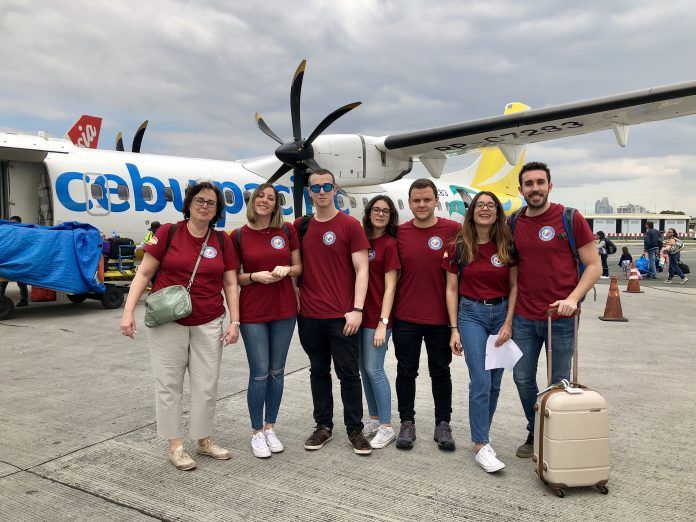
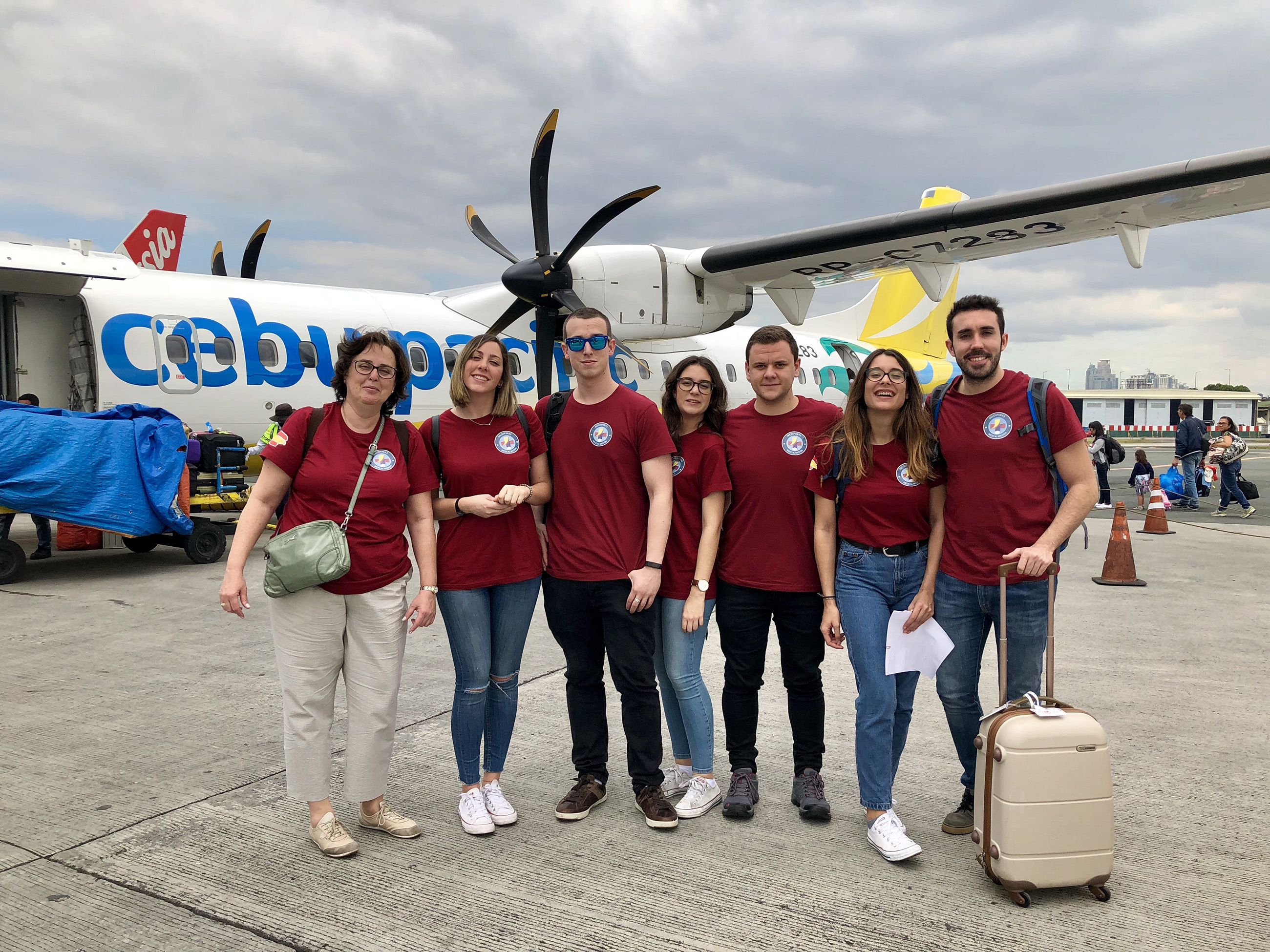
Hoy comienza a andar la cuarta edición de Medipinas, la misión humanitaria de estudiantes y profesores de Medicina de la Universidad CEU Cardenal Herrera de Castellón destinada a atender a la población más vulnerable de Filipinas.
Ayer, tras dos días de viaje, los seis estudiantes del CEU que integran la expedición solidaria, junto a su profesora y responsable de Medipinas, la cirujana Belén Merck, llegaron al campo de trabajo en Iriga, la ciudad donde desarrollarán esta vez su misión humanitaria.
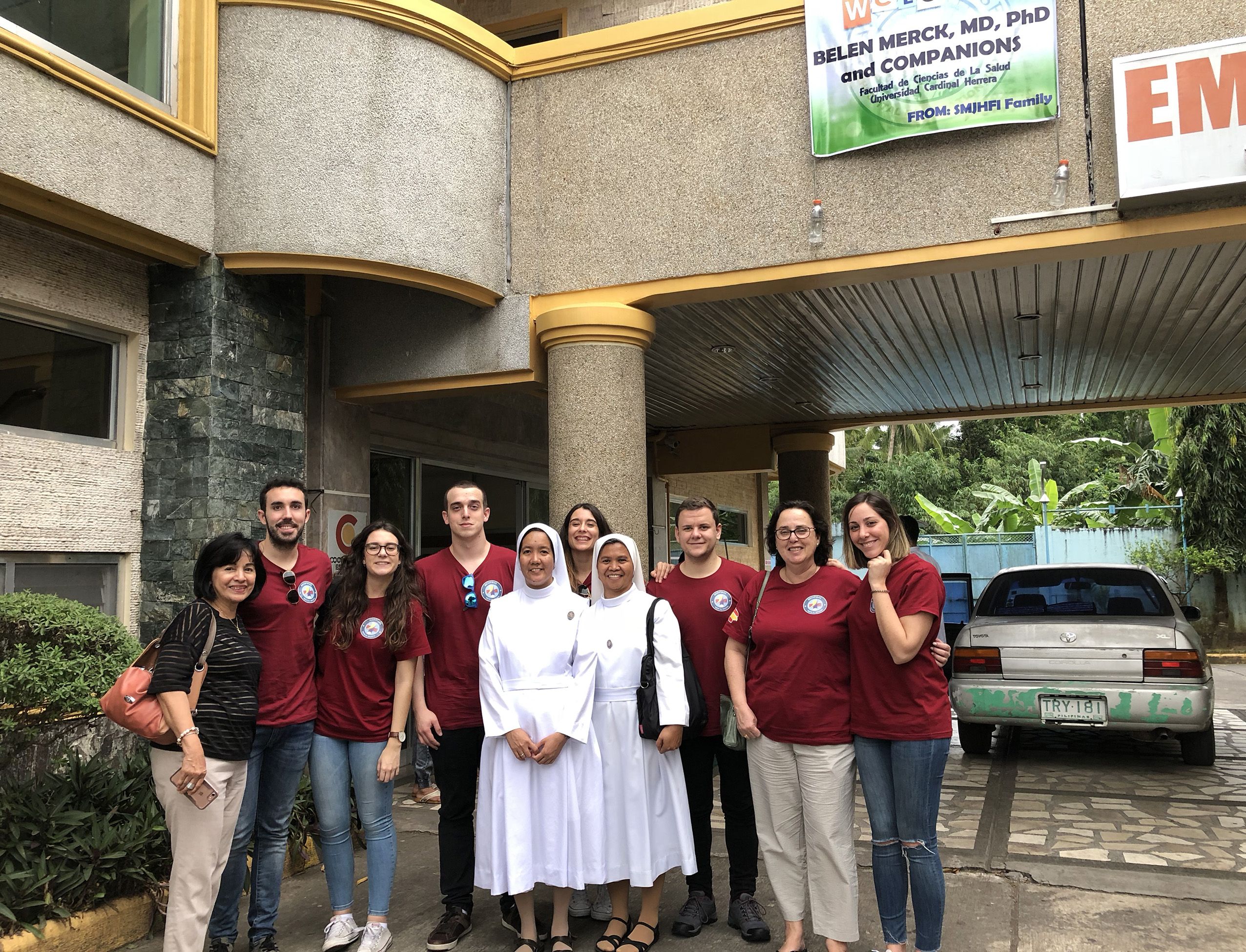
Como en las ediciones anteriores, el equipo de futuros médicos y la directora de la misión trabajarán junto a las Hermanas Siervas de Jesús, tanto en el hospital que regentan como en los hogares de las personas que no tienen recursos para desplazarse.
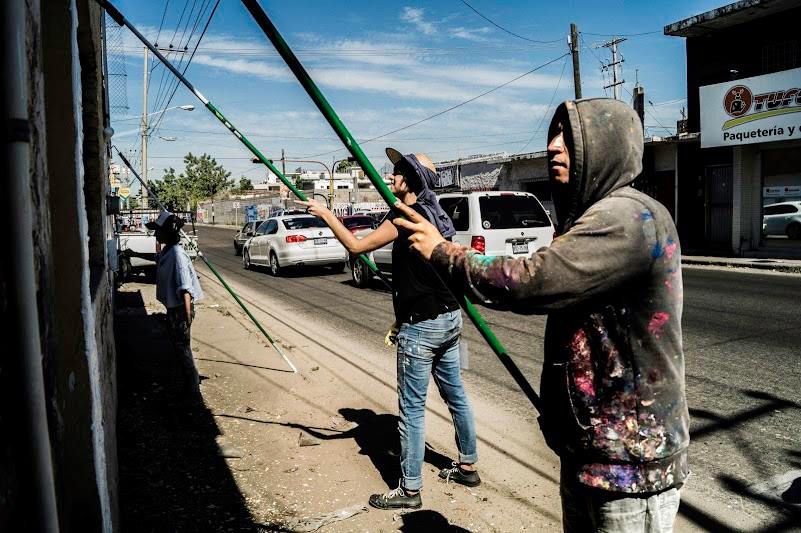
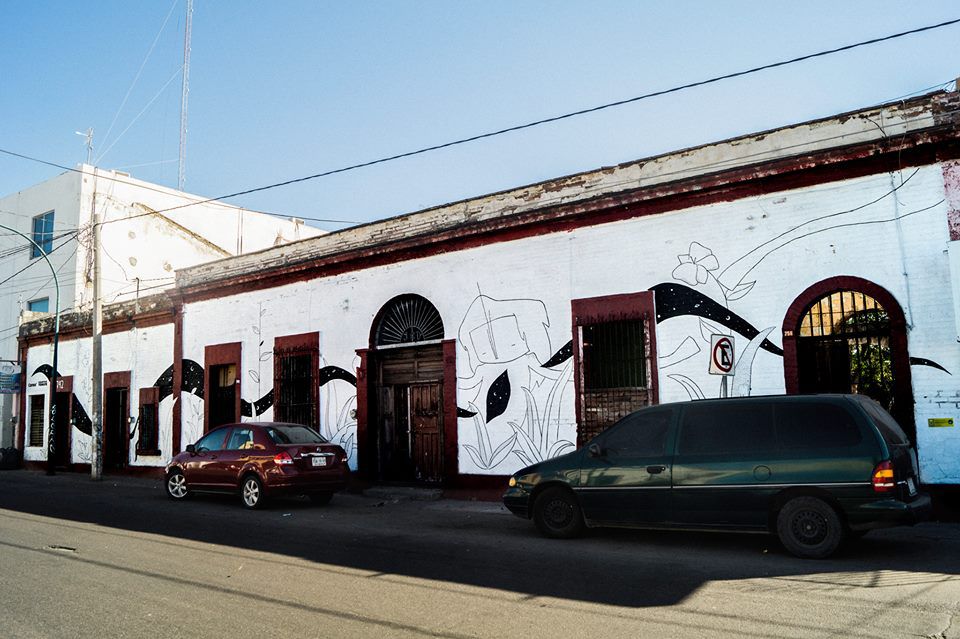
Mejorar el mundo a través del arte. Este es el motor de Alba Bla (Alba Silla). Su gasolina, el aprendizaje: de sí misma y de los demás. La alumni de Publicidad y de Comunicación Audiovisual del CEU, que decidió dejar un contrato fijo de ‘lo suyo’ para volcarse en su pasión por el dibujo, acaba de volver de un proyecto de muralismo social en México. En la entrevista, nos cuenta este y otros proyectos creativos.
Fotografía Caro Baraza
Acabas de regresar de Culiacán, en Sinaloa, México. En tu equipaje te has traído, como poco, la experiencia de pintar cuatro murales. Cuéntanos.
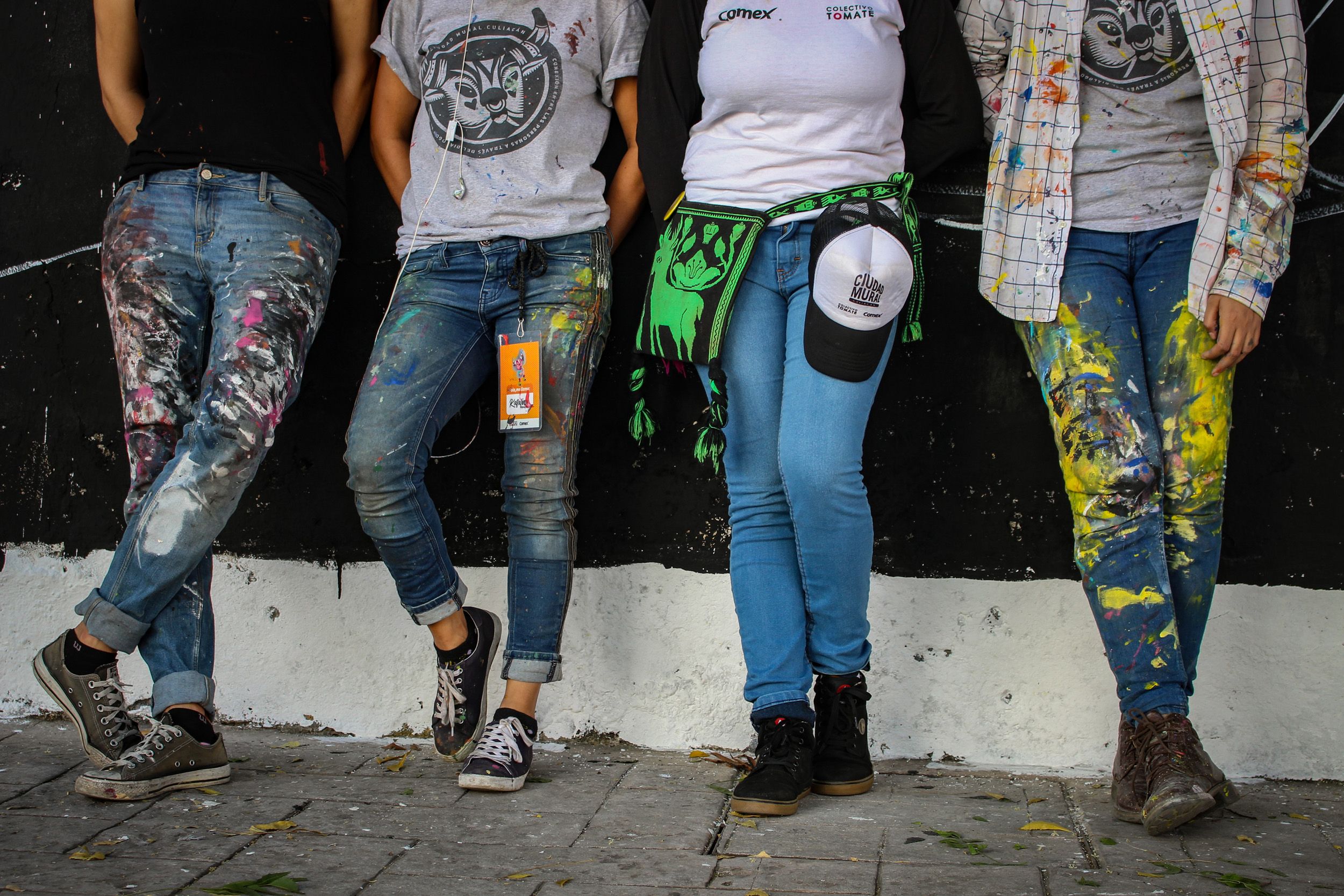
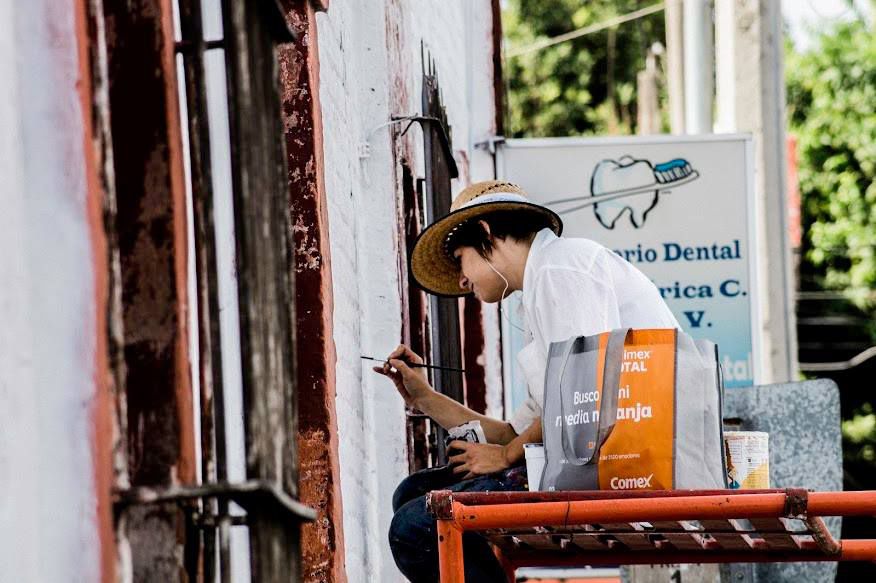
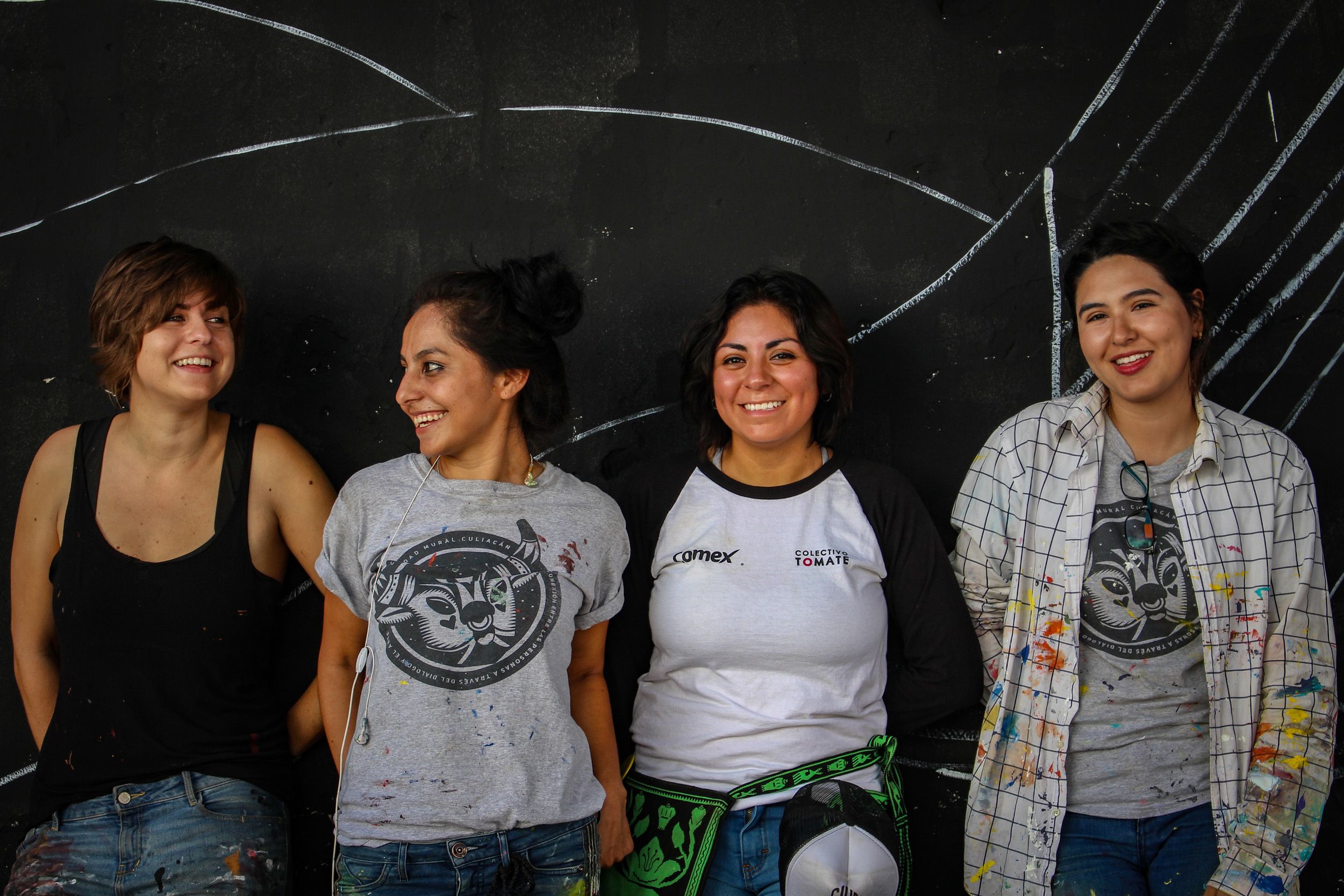
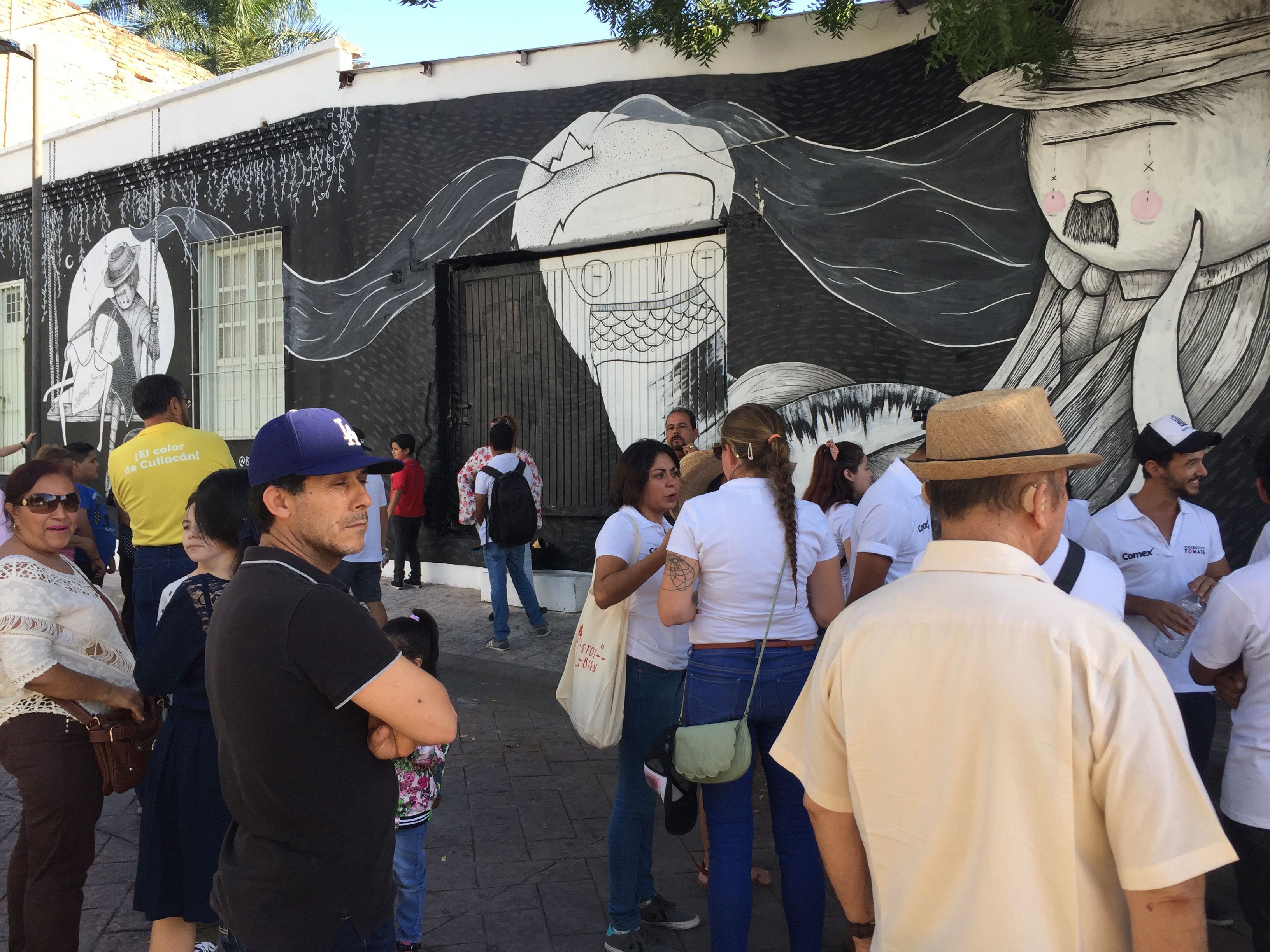
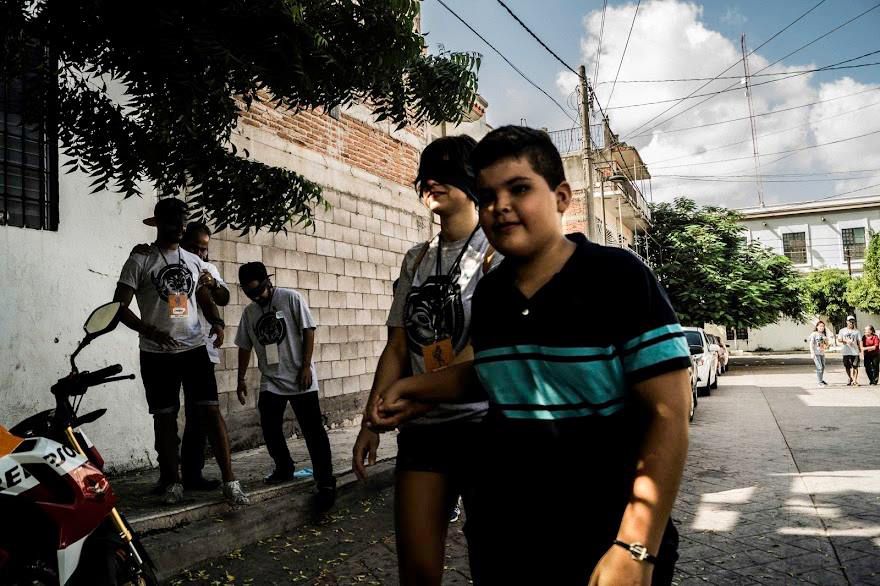
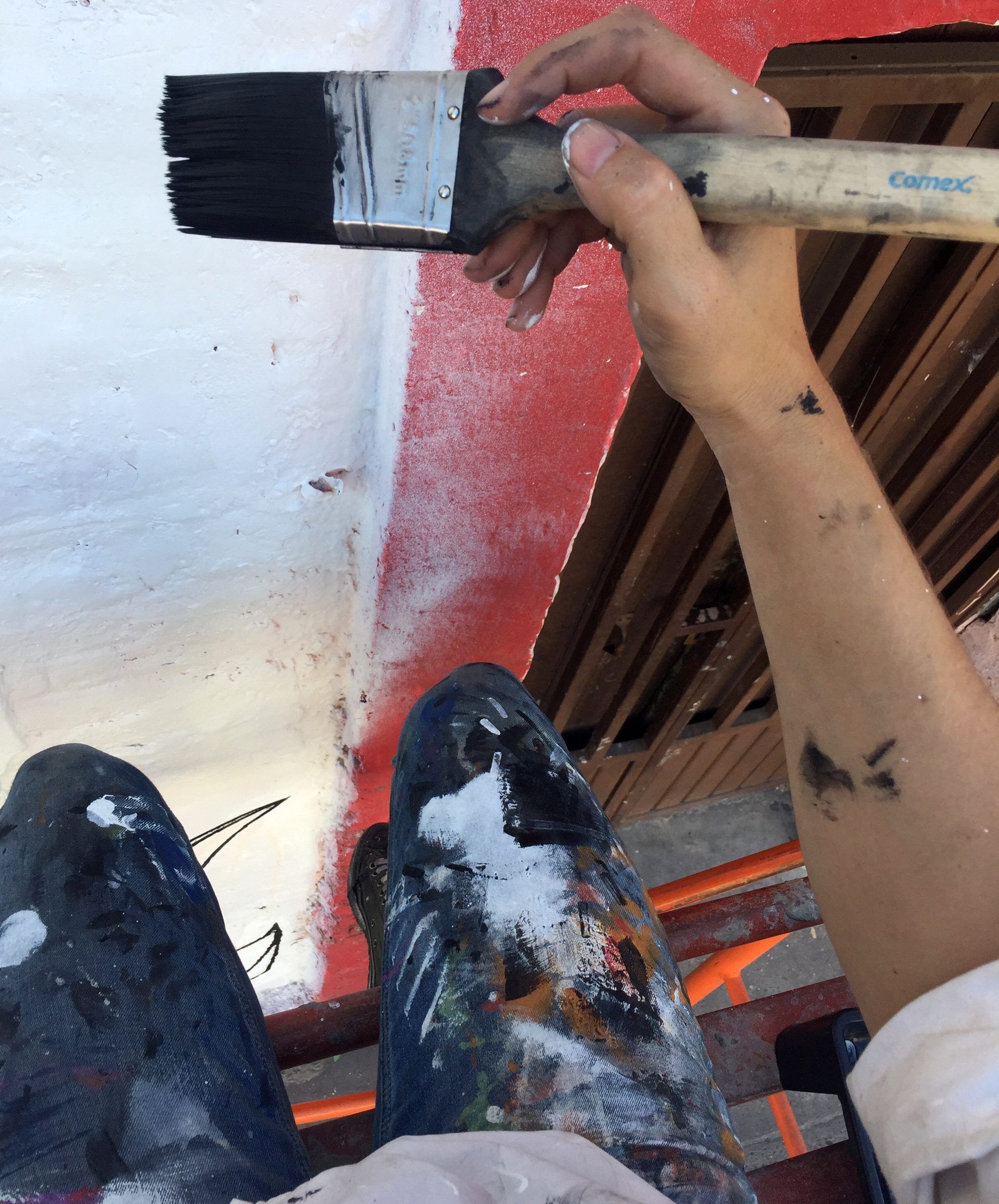
Sí. Ciudad Mural es una iniciativa del Colectivo Tomate para el proyecto México bien hecho en colaboración con Comex. Este proyecto trata de fortalecer el tejido social y la recuperación de espacios mediante el arte. Seleccionan a varios artistas nacionales e internacionales para el proyecto en cada ciudad.
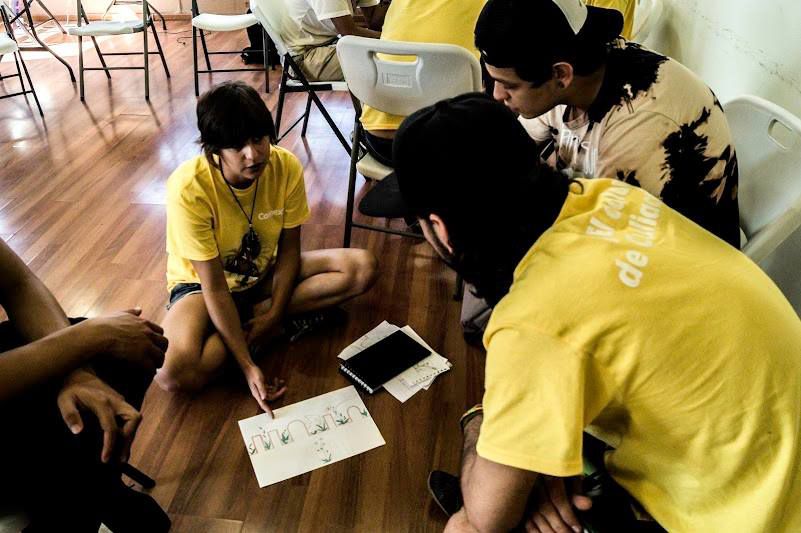
Durante el proyecto, convives con los artistas y el colectivo, se realizan actividades con los vecinos, los conoces y te cuentan sus historias, que son las que luego tienes que representar en los murales. Hice tres murales, uno individual y dos en colaboración con otros artistas, para el proyecto; y otro para un particular en México DF.
‘He aprendido mucho de las personas que he conocido, lo poco que necesito para vivir y lo mucho que llena la generosidad, la amabilidad y el cariño de gente que acabas de conocer’
¿Cómo te metiste en esto? Por lo de pintar luego te preguntaremos.
Decidí que quería ir a México como viaje de los 30, y luego pensé que si iba allí no iba a ser de turista, sino para hacer algo relacionado con el arte. Encontré por Instagram al Colectivo Tomate y me gustó mucho su trabajo y el proyecto Ciudad Mural. Abrieron convocatoria, envié mi portfolio así sin pensarlo mucho… Y bueno, ¡sorpresa!, me seleccionaron.
Alba Bla pintando. Fotografía de Sergio Rivera
Habrá sido todo un reto…
Desde luego. Tener que contar las historias de otras personas, empatizar y poder explicar mediante tus dibujos lo que ellos quieren transmitirte… En ese momento eres un canal y quieres hacerlo lo mejor posible. A la vez, este proceso fue muy bonito: hablar con las personas, investigar por tu cuenta y compartirlo con los demás artistas.
Por ejemplo, en el primer mural, Esmape (un artista mexicano) y yo pintamos dos fachadas de la misma casa. Fuimos juntos a la entrevista con el propietario que nos contó historias de cuando se construyó, de su mujer y sus hijos… Y, aun habiendo escuchado exactamente la misma historia, cada uno lo enfocamos de una manera muy diferente. Eso me encantó.
¿Qué balance haces de esta experiencia?
Ha sido maravilloso, mucho mejor de lo que me podía imaginar. He crecido muchísimo, como persona y creo que también como artista. Ver a tanta gente trabajando con el mismo objetivo, mejorar el barrio donde viven estas personas que te han contado partes de su vida, la convivencia durante esos días… y lo felices y agradecidos que quedan.
Para mí todo el viaje a México ha sido un aprendizaje. Ha sido el primer viaje sola y la primera vez que cruzo el charco. Además, desde que me seleccionaron hasta que empezó el proyecto, pasó muy poco tiempo. Tuve que decidir si iba o no en un plazo de 4 días… y 10 días después estaba subiendo al avión. Yo soy muy de prepararlo todo, de tener todo atado y estructurado, así que mi aprendizaje empezó fuerte. Me fui con 4 cosas en la mochila, casi todo ropa de pintar, me dejé el ordenador en casa y no me activé roaming…
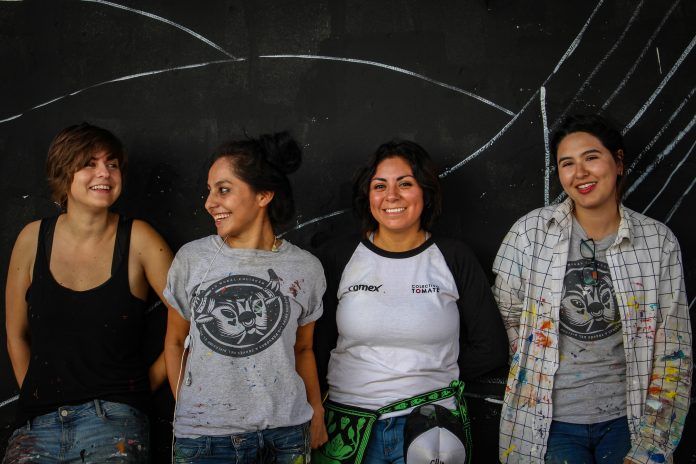
La alumni del CEU Alba Silla (iz.) con Katalina Manzano (artista) , Sara Miranda (Colectivo Tomate) y Olga Sharey (artista). Fotografía de Caro Baraza
¿Eres la misma persona que se fue?
No. Como cualquier viaje o experiencia de este tipo, te cambia mucho la manera de ver las cosas. Aprendí mucho de mí misma, superando todos los miedos que me surgieron al principio por el hecho de viajar a México (a Sinaloa, además…) siendo mujer y haciéndolo sola… De todo esto algún día dibujaré y escribiré porque es muy interesante. ¡Nunca había sentido miedo por el simple hecho de ser mujer! Y es fuerte cuando te das cuenta de estas cosas. Aprendí mucho de mí y de mis miedos, y de miedos que tenía y me he dado cuenta de que no me corresponden.
También he aprendido mucho de las personas que he conocido, lo poco que necesito para vivir y lo mucho que llena la generosidad, la amabilidad y el cariño de gente que acabas de conocer, o a diferenciar lo que verdaderamente quiero y lo que creo que quiero o necesito.
Y, muy importante, el valor del tiempo. Aquí todo va muy rápido, allí tienen otro ritmo, disfrutan más, no hay prisa y la gente está más calmada. Impresiona su motivación para trabajar en grupo y otras actitudes que contrastan con nuestra manera de hacer las cosas.
Por no hablar de otro tipo de aprendizajes, como que todo está bien chido o chingón, a pintar parejo, que todo se puede comer en taco (¡to-do!), a montar andamios, a bailar cumbia, a que “no pica” en México es mentira siempre y a que “ahorita” es una medida de tiempo incomprensible (risas).
¿Qué crees que has aportado tú?
Ay, ¡que pregunta más complicada! Lo más fácil es siempre darte cuenta de lo que los demás te aportan, pero al contrario se me da fatal.
Creo que mi predisposición a hacer todo, a aprender, a colaborar, a dar lo máximo de mí. A hacer fácil lo difícil y a reírme, a simplificar.
También arreglé la cisterna de wc, enseñé algunos truquillos de photoshop e hice una tortilla de patatas que todos comieron en taco y con picante (risas).
¿Volverás?
¡Por supuesto! Y en breve.
Cuéntanos por qué estás pintando. Tras cursar el doble grado en Publicidad y Comunicación Audiovisual, enlazaste trabajos como arte junior, diseñadora gráfica, comunicadora… en reconocidas empresas hasta que decides dar un giro a tu carrera.
Sí. Decidí dar el salto y dedicarme a dibujar por una serie de acontecimientos, algunos personales, que me marcaron y me hicieron tomar decisiones drásticas. El dibujo me salvó.
Fotografía de Sergio Rivera
¿No te gustaban los trabajos que venías desempeñando?
De todos los que he tenido, siempre he sacado algo en positivo y he aprendido. Sí me gustaba trabajar en comunicación. Contar historias me gusta y, de alguna manera, es lo que he hecho en los trabajos que he tenido.
Creo que lo que no me gustaba es que me cortaran las alas, que no me dieran libertad y que solo quisieran hacer las cosas que ya se habían hecho porque funcionaban, sin arriesgarse. Esto no me gustaba, porque es aburrido y, al final, pierdes el interés por lo que haces.
No tuvo que ser fácil empezar de nuevo.
Desde luego. Fue una época difícil porque implicó hacer un reset total. Primero empecé a hacer gráfico y web, lo que conocía bien, como freelance, hasta que un día un amigo me «obligó” a hacer la primera exposición con mis dibujos (que no habían salido de mis cuadernos jamás). A partir de ahí probé a ir a un mercado de ilustración. Funcionó, y así fueron saliendo proyectos poco a poco hasta el día de hoy.
Ha sido un camino complicado porque estudias dos carreras, entras en el mundo laboral y bueno, está bien, pero te agota, y te sales e intentas hacer lo que sabes o lo que crees que tienes que hacer, pero tampoco te llena y te das cuenta un día de que lo que verdaderamente te gusta es dibujar. Pero, uf, si salirte de un trabajo fijo que tenías era una locura, imagínate decir: “Quiero vivir de dibujar”. Esto es todavía más locura.
Fotografía de Sergio Rivera
¿Lo tenías realmente claro?
Sí. Me paré y me pregunté qué es lo que me gustaría estar haciendo siempre, el trabajo ideal que haría hasta si no me pagaran. Ese algo, para mí, es dibujar.
Cuando ya superas la barrera de decírtelo a ti mismo, de ser sincero, de darte cuenta de qué es lo que realmente te apasiona… luego todo es igual de complicado, vienen nuevos objetivos, dudas, muchas cosas que no sabes hacer… Pero, bueno, por lo menos ya sabes que quieres dibujarlo (risas) y vas superando y aprendiendo de los retos que te va ofreciendo la vida.
‘Creo que el mundo se mejora de dos maneras: siendo y haciendo de ti mismo mejor persona y siendo ejemplo de esto y compartiéndolo con los demás’
Uno de esos retos es el proyecto de murales en México. ¿Hay más?
Sí. Ilustrar una colección de cuentos infantiles “Contes familiars” para fomentar la diversidad familiar. Conocí a las autoras, Antonia Cardona y Natalia Ferrús en un mercado de ilustración, vieron mis dibujos y vinieron a hablar conmigo. Nos reunimos unos días más tarde, me explicaron el proyecto y empezamos a trabajar juntas. En diciembre de 2016 sacamos el proyecto en crowdfunding para poder financiar la publicación, y ¡fue un éxito! En febrero 2017 publicamos. Ahora para mediados de este mes sacamos la edición en castellano.
Fotografía de Sergio Rivera
¿Qué tiene que tener un proyecto para que te involucres?
Tiene que conectar conmigo. Supongo eso significa que transmita los mismos valores en los que yo creo.
Me pasa que, cuando me presentan un proyecto, me fío mucho de la sensación que me transmite desde el inicio. Tengo que creérmelo, tiene que aportar algo a quien vaya destinado, tener un sentido, un beneficio común.
De hecho, los dos proyectos de los que te he hablado antes son por y para la gente. Los dos tratan de mejorar la vida de las personas.
‘Del CEU valoro sobre todo aprender a trabajar en equipo. Hay que andar juntos por un proyecto común para que el resultado sea el mejor’
¿Crees que el arte, la creatividad, pueden mejorar el mundo? ¿Cómo?
¡Por supuesto! El arte es un idioma, un medio de expresión, y sirve para transmitir y comunicarse, ¡cierto? Creo que el mundo se mejora de dos maneras. La primera, siendo y haciendo de ti mismo mejor persona. Y, segundo, siendo ejemplo de esto, transmitiéndolo y compartiéndolo con los demás.
Fotografía de Sergio Rivera
¿Y qué transmites tú a los proyectos en los que te embarcas?
Cuando entro en un proyecto doy todo de mí. Si me involucro en algo es porque creo en ello, en lo que el proyecto significa. Aporto ganas y mucha energía para hacer las cosas, ganas de aprender y de compartir con los demás, mi visión y mi saber hacer.
Soy muy de hacer las cosas con el corazón, muy pasional, y para mí no hay diferencia entre lo que hago en los proyectos y lo que soy. Por eso, doy todo, me meto de lleno en lo que esté trabajando, me va la cabeza a mil, investigo… Y una cosa buena de la que me he dado cuenta últimamente: de todo lo que he hecho, estudiado, trabajado, siempre hay algo que aprendí que me sirve para los nuevos proyectos.
‘A los alumnos les aconsejaría que se conocieran y fueran fieles consigo mismos. ¡Y también que se equivocaran!’
De tu etapa en el CEU , ¿qué aprendiste, qué valoras más?
El trabajo en equipo. Tanto en CAV como en Publi los últimos años trabajé mucho en proyectos en equipo y aprendí mucho a valorar cada parte del trabajo y, sobre todo, que hay que andar juntos por un proyecto común para que el resultado sea el mejor.
Otra cosa que valoro no es una cosa, sino una persona: Pepe Martínez. Me lo asignaron como tutor en 2º de carrera y creo que, desde la primera tutoría, no he parado de hacerle preguntas, contarle mis rollos, pedirle consejo y, por supuesto, hacer casi siempre lo contrario de lo que me dice (risas).
Del pasado al futuro. ¿Cómo te gustaría verte en unos años?
Por lo pronto, además de publicar en castellano los cuentos y volver a México, tengo previsto publicar un libro y una expo, aunque aún está muy verde.
Es difícil proyectar, pero espero pintar muchos murales, publicar e ilustrar varios libros y poder ayudar a otras personas a recorrer este camino.
Pues te lo ponemos fácil, lo de ayudar. ¿Algunos consejos para los futuros creativos?
Les diría: «Cree en ti y en lo que sientes». Es un tópico, lo sé, pero es que hay un momento en la vida en que crees que quieres lo que te han enseñado que hay que querer, no sé si me explico. Y, con el tiempo, te das cuenta de lo que verdaderamente quieres. Es un poco: «Conócete a ti mismo y sé fiel contigo».
Improving the world through art: that is what drives Alba Silla, also known under her artistic name of Alba Bla. And learning is her fuel: learning about herself and others. A CEU graduate in Advertising and Audiovisual Communication, she decided to leave behind a permanent contract at a job in the industry to explore her passion for drawing: she’s just come back from completing a social muralism project in Mexico. In our interview, she told us all about this and other creative projects she has.
You’ve just got back from Culiacán, in Sinaloa, Mexico. So, amongst other things, you now have the experience of painting four murals. Tell us about it.
Yes. Ciudad Mural is an initiative from the Colectivo Tomate group, as part of the México bien hecho project, which is supported by Comex. The aim of this project is to strengthen the social fabric and breath new life into different urban areas through art. They select several Mexican and international artists for the project in each city.
During the project, you’re living and working alongside other artists and members of the group, you take part in activities with the local residents, you get to know them and you hear their stories, and they’re the ones you have to represent in the murals. I made three murals, one made just by me and another two in conjunction with other artists for project. And I also did another one on a private basis in Mexico City.
‘I’ve learnt a lot from the people i’ve met, abouT the little i need in life and how much you gain from the generosity, friendliness and affection you can receive from people you’ve just met.’
How did you end up doing this in particular? We’ll come back to how you got into painting itself in a minute.
I decided to go to Mexico to celebrate being 30 but then later I thought that if went there I didn’t want to go as a tourist but to do something art-related. I came across the Colectivo Tomate on Instagram and I really liked their work and the Ciudad Mural project. They called for new applications and I sent in my portfolio without thinking about it too much. And then, surprise! I’d been selected.
Quite a challenge.
Absolutely. To have to tell other people’s stories, empathizing with them and trying to explain their experience through your art. You’re channelling something and you have to do it as best you can. But it was also a really beautiful thing: talking to people, doing your own research and then sharing that with the other artists.
For example, in the first mural, Esmape (a Mexican artist) and I painted two sides of the same house. We went to interview the owner together and he told us stories about when it was built, about his wife and his children. And even though we heard exactly the same stories, our approaches were totally different. I loved that.
What’s your verdict of the whole experience?
It’s been amazing, much better than I could have imagined. I feel like I’ve really grown a lot, both as a person and as an artist. It was great to see so many people working on the same objective, to improve the area where these people live and who’ve told you about their lives, to have the experience of living and working alongside them during that time and then to see how happy grateful they were.
For me the whole time in Mexico has been a learning experience. It’s the first trip I’ve done on my own and my first time on the other side of the Atlantic. And then there was very little time between being selected and the start of the project. I had just four days to decide whether I was going or not and then, ten days later, I was on the plane. I usually like to prepare well for everything and to have everything neatly planned out, so it was a steep learning curve. I only had a few things in my bag, mostly clothes to paint in. I left my laptop at home and I didn’t switch roaming on for my phone.
Are you the same person who went out there?
No. Any trip or experience like this really changes the way you see things. I learnt a lot about myself, overcoming a lot of the fears I had at the beginning because I was travelling to Mexico (especially to Sinaloa), I was a woman and was doing it all on my own. One day I’d like to draw and write about it, because it’s really interesting. I’d never felt fear before just because I was a woman! When you realize that, it really hits you hard. I learnt a lot about myself and my fears and I’ve realized that that’s not who I am.
I’ve also learnt a lot about the people I’ve met, about how little I need in life and about how much you gain from the generosity, friendliness and affection you can receive from people you’ve just met. I’ve also learnt to distinguish between what I really want and what I think I want or need.
And a big thing has been learning about the value of time. Here, everything goes so fast, but there, there’s a different rhythm to things, people aren’t in such a hurry and are calmer. Their motivation to work as part of a team and other attitudes they have really contrasts with our way of doing things.
And there are other things you learn, such as words like chido and chingón, painting with other people at the same time, that everything, absolutely everything can be eaten in a taco, setting up scaffolding, dancing cumbia, that you should never believe anyone in Mexico when they say that something isn’t spicy, and that “ahorita” can mean now, later, or who knows when! (laughs)
What kind of contribution have you made?
Wow, that’s a hard question! It’s always easier to see what other people have done for you, but I find it really difficult to judge what I’ve done.
I think it would be my willingness to do anything and everything, to learn, to work together, to give everything I’ve got. To make hard things easier, to laugh and to make things simpler.
I also fixed the flush on a toilet, I taught people a few Photoshop tricks and I made a traditional Spanish potato omelette – and everyone ate it in a taco with chillies (laughs).
Are you going to go back?
Definitely! And soon.
Tell us more about what you’re painting. After doing a dual degree in Advertising and Audiovisual Communication, you worked as a junior art director, as a graphic designer, and in communication at prestigious companies – and then you decided to take a left turn in your career.
Yes. I decided to take the plunge and work as an artist because of a series of things that happened, some of them personal, that really had a big impact on me and led me to take drastic decisions. Drawing is what saved me.
You didn’t like the jobs you had?
I can take positive things from all the jobs I’ve had and I learnt something at every one. I did like working in communication. I like telling stories and, in one way or another, that’s what I’ve done in every job I’ve had.
I think that what I didn’t like was not being able to stretch my wings and not having freedom, because all that was required of me was to do things that had already been done, things that worked and were safe. I didn’t like that, because it’s boring and in the end you lose interest in what you’re doing.
It can’t have been easy to start again from scratch.
It certainly wasn’t. It was a difficult time because it really did mean starting over. At first I did freelance work in graphic and web design, which I knew well, but then one day a friend “made” me do my first exhibition of my drawings (which had never been seen before outside my sketchbooks). After that, I tried selling my stuff at an illustration fair. That went well, and then projects have come to me bit by bit since then.
It’s been a difficult path because you study for two degrees, you get a job and, yeah, that’s great but you’re exhausted. You’re trying to do the things you’re supposed to be doing but it’s not fulfilling and then you realize one day that what you really like doing is drawing. But if it seems crazy to leave a good job, then, to say “I want to draw for a living”, well, that’s crazier still.
Were you really sure that it was what you wanted?
Yes. I stopped and asked myself what it was that I would like to be doing for the rest of my life, the ideal job that I would do even for free. And for me, that’s drawing.
After getting past that hurdle of being honest with yourself, of realizing what you’re really passionate about, then things are still hard, because there are new objectives, you doubt yourself, and there are many things that you don’t know how to do. But at least you know you can draw the problem (laughs) and then you start overcoming and learning from the challenges life puts in front of you.
‘I THINK THE WORLD CAN BE IMPROVED IN TWO WAYS: BY BEING AND MAKING YOURSELF THE BEST PERSON YOU CAN BE AND BY BEING AN EXAMPLE TO FOLLOW, CONVEYING AND SHOWING OTHER PEOPLE THAT IT CAN BE DONE.’
One of those challenges was the murals project in Mexico. Any others?
Yes: illustrating a collection of children’s stories Contes familiars to promote family diversity. I met the authors, Antonia Cardona and Natalia Ferrús, at an illustration fair. They saw my drawings and came to speak to me. We got together a few days later, they told me what the project involved and we started to work together. In December 2016, we launched a crowdfunding appeal to fund the publication and it was a success! We published it in February 2017 and in the middle of this month we’re bringing out an edition in Spanish.
What does a project have to have to appeal to you?
I have to feel a connection. I suppose that means that it has to transmit the same values that I believe in.
I really believe in the gut feeling that I get right at the beginning when I’m presented with a project. I have to believe in it, that it would contribute something to the people it’s aimed at. It has to have meaning or some kind of common benefit.
In fact, the two projects I’ve talked about are both inspired by people and for people. Both aim to improve people’s lives.
‘THE THING I VALUE MOST FROM MY TIME AT CEU IS LEARNING about HOW TO WORK AS PART OF A TEAM. WHEN YOU’RE WORKING ON A PROJECT WITH OTHER PEOPLE, YOU HAVE TO WORK TOGETHER TO GET THE BEST POSSIBLE OUTCOME.’
Do you think that art and creativity can make the world a better place? How?
Of course! Art is a language, a means of expression with which you can convey and communicate things, right? I think the world can be improved in two ways. The first one is by being and making yourself the best person you can be. And the second one is by being an example to follow, conveying and showing other people that it can be done.
And what do you bring to the projects you take part in?
When I start work on a project, I give it everything I’ve got. If I get involved in something, it’s because I believe in it, I believe in what the project represents. I bring enthusiasm and a lot of desire to do things, to learn and to share with others my vision and skills.
I really put my heart and passion into the things I do and, for me, there’s no difference between what I do on a project and who I am. So, that’s why I give everything to what I’m working on, my brain works overtime, and I research things. And something which I’ve realized lately is that, from everything I’ve done, studied and worked on, there’s always been something new I’ve learnt, which I could then take with me to the next project.
‘MY ADVICE TO STUDENTS WOULD BE TO FIND OUT WHO THEY REALLY ARE AND TO BE TRUE TO THAT PERSON. aND ALSO TO MAKE MISTAKES!’
What did you learn or do you value most from your time at CEU?
Working as part of a team. Both Audiovisual Communication and in Advertising in later years, there was a lot of group-work and I learnt to see the value in each part of a project and, above all, that when you’re working on a project with other people, you have to really work together to get the best possible outcome.
Something else I really value is not a thing but a person: Pepe Martínez. He was my personal tutor in the second year, and then from the get-go, I’ve not stopped asking him questions, telling him about the things that are going on, asking for his advice, and, of course, almost always doing the exact opposite (laughs).
Let’s go back to the future. Where do you see yourself in a few years?
For now, apart from publishing the stories in Spanish and going back to Mexico, I’m planning to publish a book and do an exhibition, but it’s all still in development.
It’s difficult to see too far into the future, but I hope to paint a lot of murals, publish and illustrate several books and help other people to tread the same path.
Well, we can help you to help others now. What advice would you give to those starting out on the creative path?
I’d say: believe in yourself and what you feel. It’s a cliché, I know, but there’s a time in life in which you think you want what you’ve been told you should want, if you know what I mean. But, with time, you realize what it is that you really want. We could sum it up with: find out who you really are and be true to that person.
The increase in antibiotics administered to animals has contributed to the proliferation of microorganisms that are resistant to this type of medicine. Furthermore, Spain is one of the top consumers of antimicrobials in regards to animal production in the European Union. Therefore, researchers at the Valencian Institute of Agricultural Investigations (IVIA), Valencia’s CEU UCH and UPV universities and Barcelona’s UAB university have started a joint investigative project to design strategies to improve the wellbeing of chicken and rabbits bred for human consumption that make it possible to reduce or eliminate the administration of antibiotics.
Their proposal has obtained financing by the National Institute of Agricultural and Alimentary Research and Technology (INIA), as part of the research and development program of the national Ministry of Economy and Competitiveness as well as the National Research Agency.
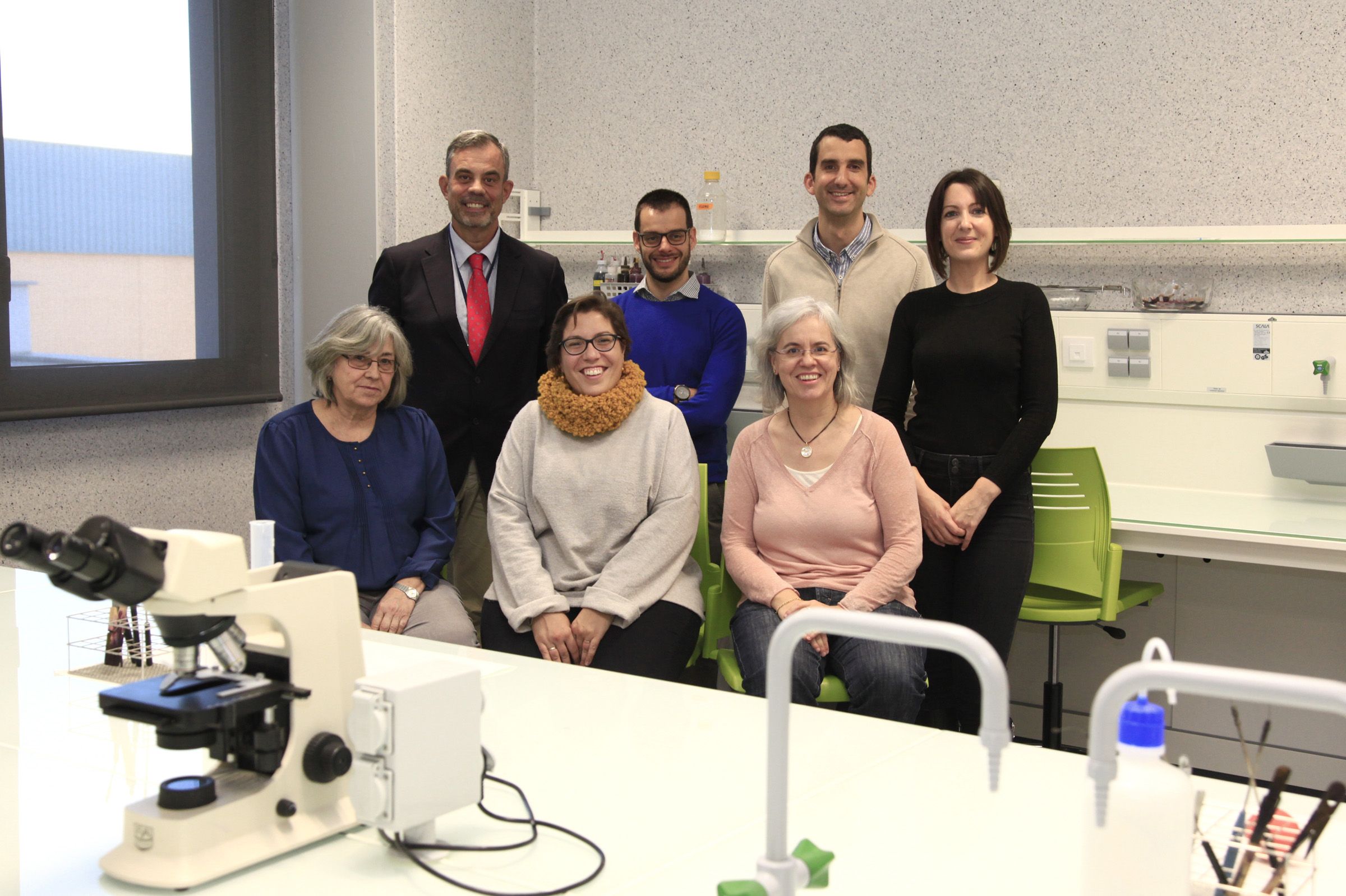
Investigadores del IVIA y la CEU UCH, integrantes del equipo investigador financiado por el INIA.
Veterinary professor at University CEU Cardenal Herrera (CEU UCH) Santiago Vega, member of the research team, stresses that ‘both on a European and national level, the reduction or elimination of antibiotics in animal production has become a key challenge.” In the case of chickens and rabbits destined for human consumption, strategies to accomplish this goal have thus far been addressed from the nutritional field in some investigations. “Our study – Vega adds – takes on a different route, centered on improved wellbeing and overall health for the animals, so that they are more resistant to infections without having to be treated with antibiotics.”
Four strategies, one objective
The multidisciplinary investigative project will evaluate the efficacy of four different strategies in the field of animal wellbeing, to try to eradicate the use of antibiotics for chickens and rabbits that are to be fattened. These strategies are focused on better air quality, an improvement of cleaning and disinfection protocols, lower animal density in cattle farms and the use of slow growth breeds of chickens.
Santiago Vega explains that animal health improvement, their immune response, the effect on their microbiota and the presence of antibiotic-resistant microorganisms will be evaluated for each of the different strategies. At the same time, the technical-economical feasibility for farms and cattle farm of each technique will also be studied.
Optimal breeding environments
Professor Vega believes that ‘although there are previous studies based on nutritional techniques as an alternative to antibiotics, the innovation of this project is that we present an alternate approach based on the animal itself. We proceed from the hypothesis that an animal in an optimal state of health and wellbeing should have heightened resilience, being able to face possible infections which have traditionally been fought with antimicrobials.’
The researchers and authors of the project state that an improvement of the breeding environment also has simplicity and ease of implementation by farmers on its side, as it can be done without undertaking substantial modifications of the production systems. “Although, in any case”, adds the CEU UCH professor, “it is vital to evaluate these new strategies from a global point of view, including its technical and financial feasibility, as we are doing in this project.”
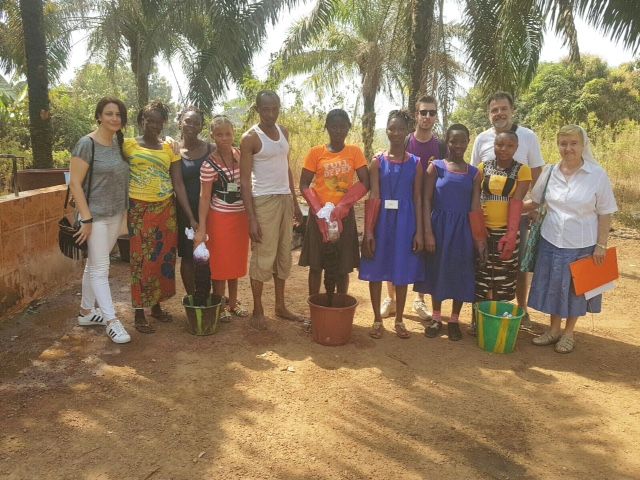
El profesor de la CEU UCH Manuel Bañó, director de Free Design Bank, en la escuela de formación profesional para mujeres de las hermanas Clarisas en Lunsar (Sierra Leona).
El profesor de la CEU UCH Manuel Bañó, junto a profesores y estudiantes voluntarios de la CEU USP, han viajado al país africano para contactar con los primeros grupos de trabajo en las ciudades de Makeni y Lunsar
El profesor de la CEU UCH Manuel Bañó, director de Free Design Bank, y voluntarios del HD_Lab, en la Saint Joseph School for the Hearing Impaired, de Makeni (Sierra Leona).
Contactar con grupos artesanos en las regiones más desfavorecidas del mundo. Conocer sus habilidades y los limitados medios de producción a su alcance. Idear para ellos nuevos diseños de productos más atractivos y comercializables y formarles para que puedan producirlos, mejorarando así sus condiciones de vida. Ese es el trabajo voluntario de Free Design Bank, el proyecto de diseño solidario que lidera el profesor de la ESET Manuel Bañó Hernández y en el que involucra cada curso a sus estudiantes del Grado en Diseño Industrial de la CEU UCH, así como a profesionales del diseño. Esta vez, Free Design Bank ayudará a productores de Sierra Leona, sumando un nuevo país a su larga lista de colaboraciones en África, Asia y América Latina, gracias a la colaboración en un proyecto conjunto con el HD_Lab de la CEU USP de Madrid.
Our campus is once again filled with international students. Another time, like every year around this time, we welcomed the group of Erasmus students who have decided to pursue part of their studies with us.
More than 40 students are already mixed at this time with the rest of the students. They are from Germany, Austria, Colombia, France, Greece, Italy, Lithuania, Portugal, Czech Republic, Romania and Russia. They are here to study Architecture, Law, IndustrialDesign, Journalism, AudiovisualCommunication, Advertisingand Public Relations, Education Sciences and Veterinary.
Everything was ready to make their arrival as comfortable as possible. Clearly, it is not easy to organize an event like this. But our staff knows how to turn stress into excitement of being an active part of our great educational project. From the first moment, we consider these guys as our students.
Before visiting the facilities with our international coordinators, they had a presentation of all the services offered by the University.
Does anyone want to improve his or her level of Spanish with us? We have a language center that will prepare a course tailored to the needs of the group. Is anyone interested in practicing a particular sport? Our University Sports Center has a wide range of sports, you will surely find the one you are looking for.
Do you need a guidance on your studies here? You have a whole department that is ready to advise you so that you can make the best choice and make the most of your stay with us. And to integrate into the life of our campus, the Campus Life service offers you the option to participate in various activities and workshops. There are thousand opportunities at your fingertips to get the most of this unique experience.
Our facilities are already at their service, our teachers are attentive to any questions that may arise, and an exciting city is ready to be discovered.
Los diez talleres prácticos del SECIVE 2018, previos a las sesiones del XXIII Congreso internacional de esta sociedad científica en Valencia, se celebran en las instalaciones del nuevo Hospital Clínico Veterinario de la CEU UCH
Talleres del Pre Congreso Internacional de la SECIVE 2018, en el Hospital Clínico Veterinario de la CEU UCH.
La Sociedad Española de Cirugía Veterinaria (SECIVE) celebra este año su XXIII Congreso Internacional en Valencia. Para los talleres prácticos del pre Congreso de este año, la SECIVE ha escogido las instalaciones del nuevo Hospital Clínico Veterinario de la CEU UCH. Un total de diez expertos internacionales dirigirán sesiones prácticas sobre distintas especialidades quirúrgicas, durante todo el día 1 de febrero, de forma previa a las sesiones del SECIVE 2018, los días 2 y 3 de febrero en el Hotel Meliá Palacio de Congresos de Valencia.
06/09/2017 Las personas que estén interesadas en disponer de mayor información respecto a las noticias destacadas, pueden ponerse en contacto con el Área de Prensa de la Universidad
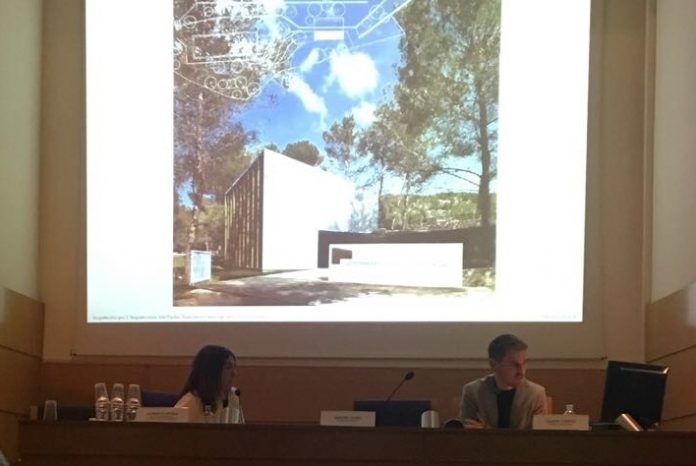
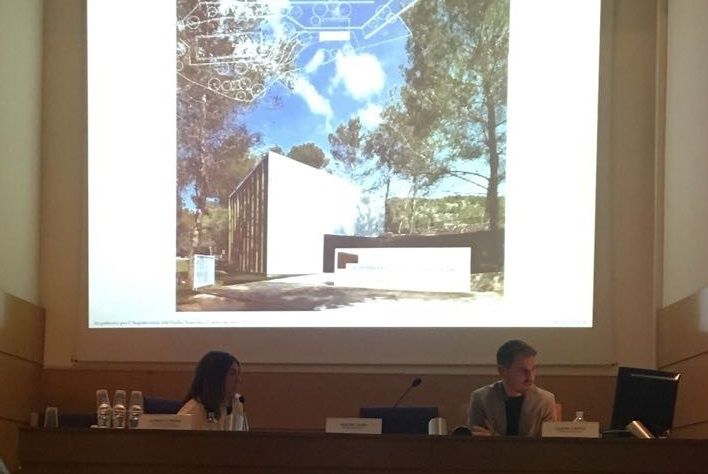
Ignacio Juan, invitado por Arquitectes per l'Arquitectura, durante la presentación de la obra de Horma Estudio en el CTAV.
El colectivo Arquitectes per l’Arquitectura ha seleccionado su estudio Horma, el del alicantino Javier García Solera y el estudio catalán OliverasBoix para presentar su obra en la sesión “Ubicuidad”
Ignacio Juan, invitado por Arquitectes per l’Arquitectura, durante la presentación de la obra de Horma Estudio en el CTAV.
El Colegio Territorial de Arquitectos de Valencia (CTAV) y el colectivo Arquitectes per l’Arquitectura han invitado al profesor Ignacio Juan, subdirector del Grado en Arquitectura de la CEU UCH, como ponente en la sesión “Ubicuidad”, del ciclo de conferencias “Ida/vuelta: trayectos, conversaciones, arquitectura”. En esta sesión, celebrada en la sede del CTAV el 25 de enero, el profesor y arquitecto Ignacio Juan ha presentado parte de la obra de su estudio Horma, seleccionado para la sesión junto a otros dos estudios: el del alicantino Javier García Solera, que ha sido profesor invitado en el Grado de Arquitectura de la CEU-UCH, y el estudio catalán OliverasBoix.
Antiguos alumnos de la Universidad CEU Cardenal Herrera, que trabajan en diferentes países de Europa, han compartido su experiencia con los estudiantes de 4º del Grado en Fisioterapia
La Facultad de Ciencias de la Salud de la Universidad CEU Cardenal Herrera ha acogido una Jornada sobre Salidas profesionales para Fisioterapeutas, un encuentro que ha permitido a los estudiantes de 4º del Grado en Fisioterapia conocer diferentes posibilidades al finalizar los estudios, desde oportunidades internacionales a experiencias de emprendimiento.