Un reto de salud global: la resistencia a los antibióticos. Una iniciativa de ciencia ciudadana: involucrar a los más jóvenes en la búsqueda de nuevas bacterias con capacidad antibiótica en el medio natural. Un proyecto de aprendizaje y servicio: convertir a los universitarios en investigadores y formadores de otros jóvenes preuniversitarios. Todas estas dimensiones se unen en el proyecto Small World Initiative (SWI), promovido a nivel internacional por la Universidad de Yale, y al que la Universidad CEU Cardenal Herrera se ha sumado. Al frente del Grupo SWI-CEU, está nuestra catedrática de Microbiología, Teresa Pérez Gracia, que nos explica el proyecto en este vídeo.
Quentin Mathonnet, alumno de la Universidad CEU Cardenal Herrera, ha participado en la 21 edición de la 4L Trophy. Un reto que, desde hace 20 años, reúne a miles de estudiantes de toda Europa para recorrer, en diez días, más de 6000 kilómetros entre Francia, España y Marruecos en un Renault 4L, y con un objetivo solidario: recoger donativos y llevar material escolar para los niños y niñas marroquíes.
Más de 2.600 estudiantes, con 1.300 coches, han participado en esta nueva edición de la 4L Trophy que ha logrado recoger 36.000 euros en donativos. La ONG “Enfants du Désert” gestionará estos donativos para la construcción de nuevas escuelas y la entrega del material escolar.
De regreso a la Universidad, Quentin ha compartido con nosotros su experiencia, y ha animado a todos los estudiantes a participar en este reto deportivo y solidario.
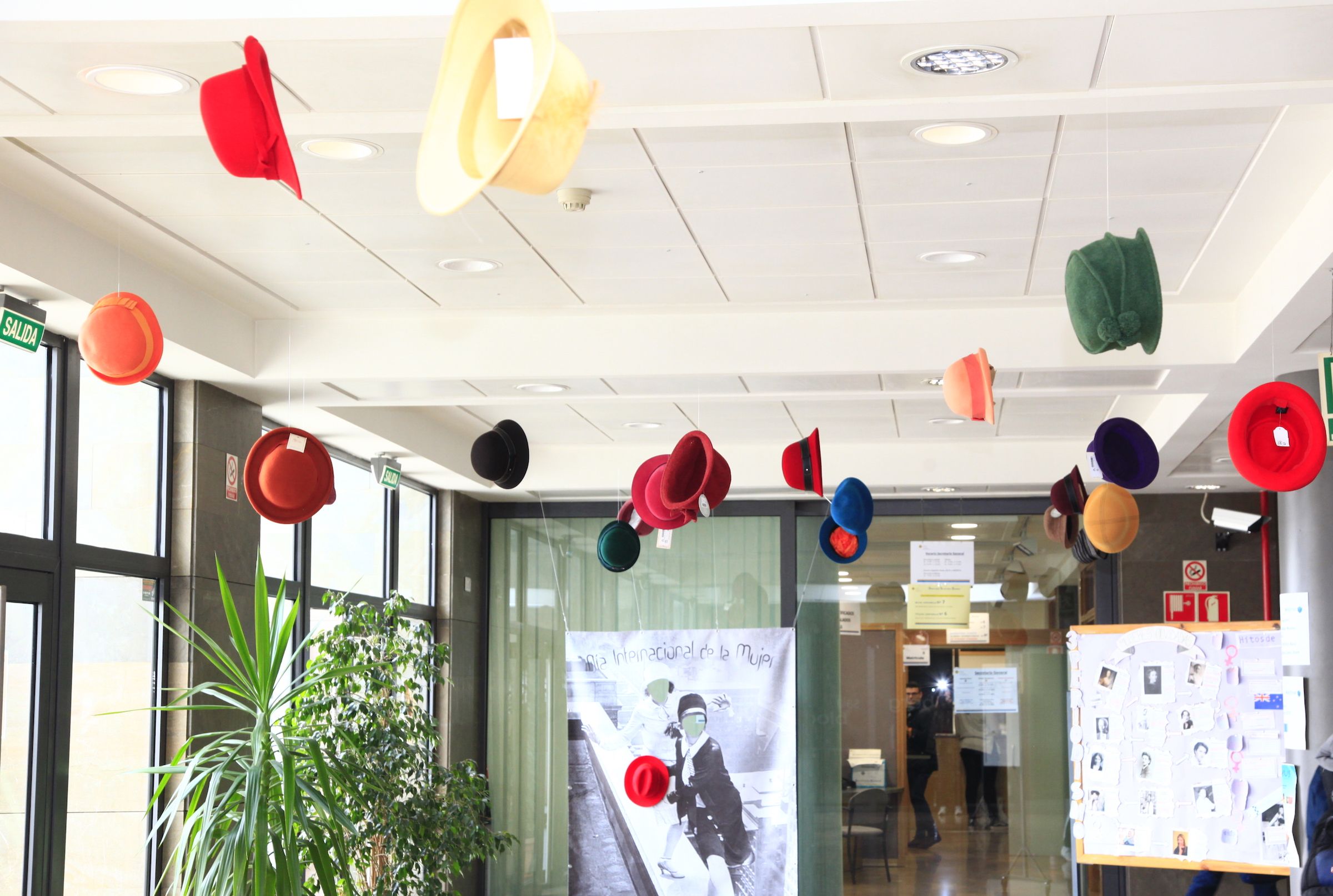
Día de la Mujer 2018, en la Universidad CEU Cardenal Herrera.
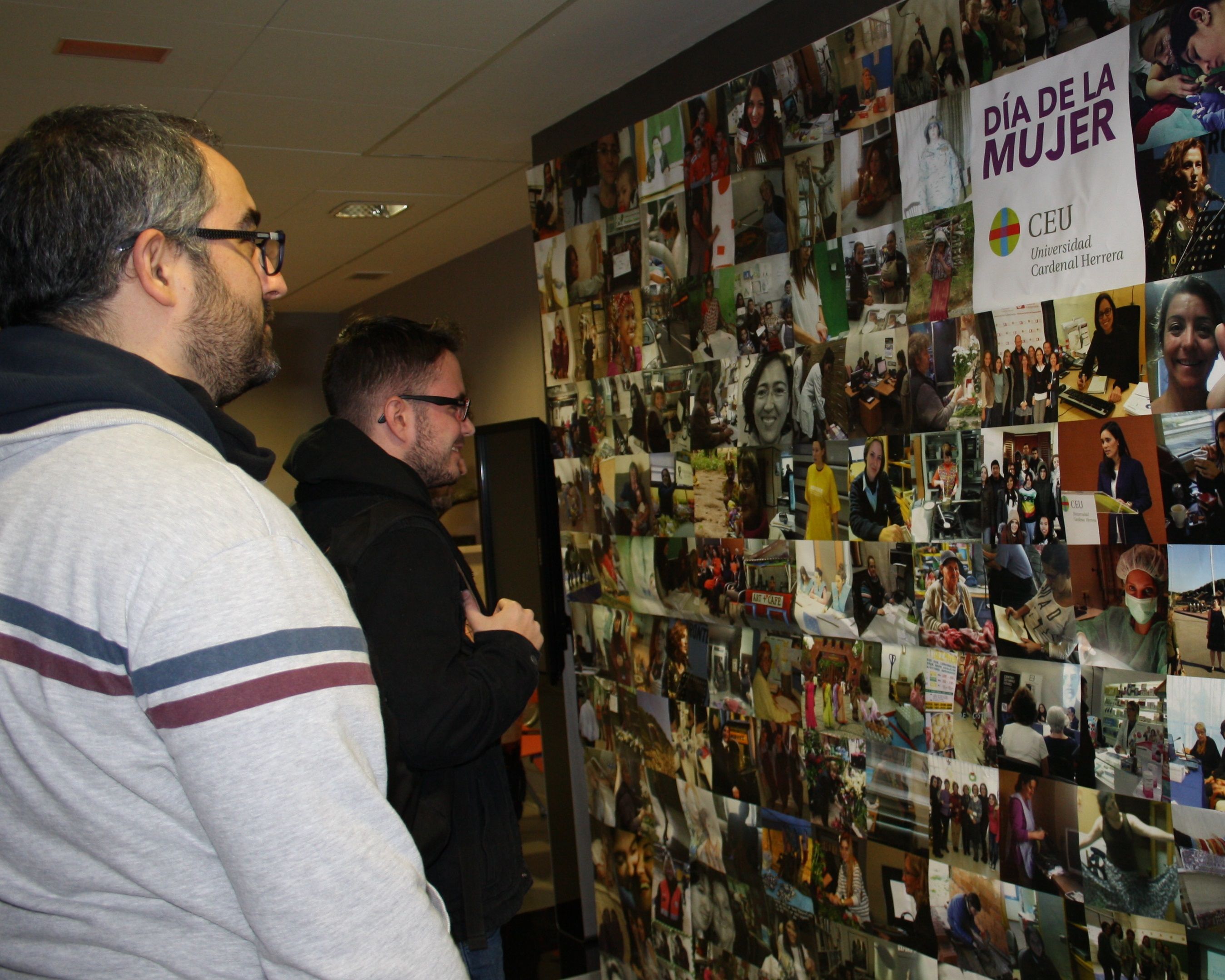
Hoy, Día Internacional de la Mujer, es un día de gestos. Desde diferentes escenarios, cada esfera de la sociedad adopta un gesto que quiere compartir y proyectar. Nuestra comunidad CEU también traslada a la sociedad su mensaje.
Día de la Mujer 2018, en la Universidad CEU Cardenal Herrera.
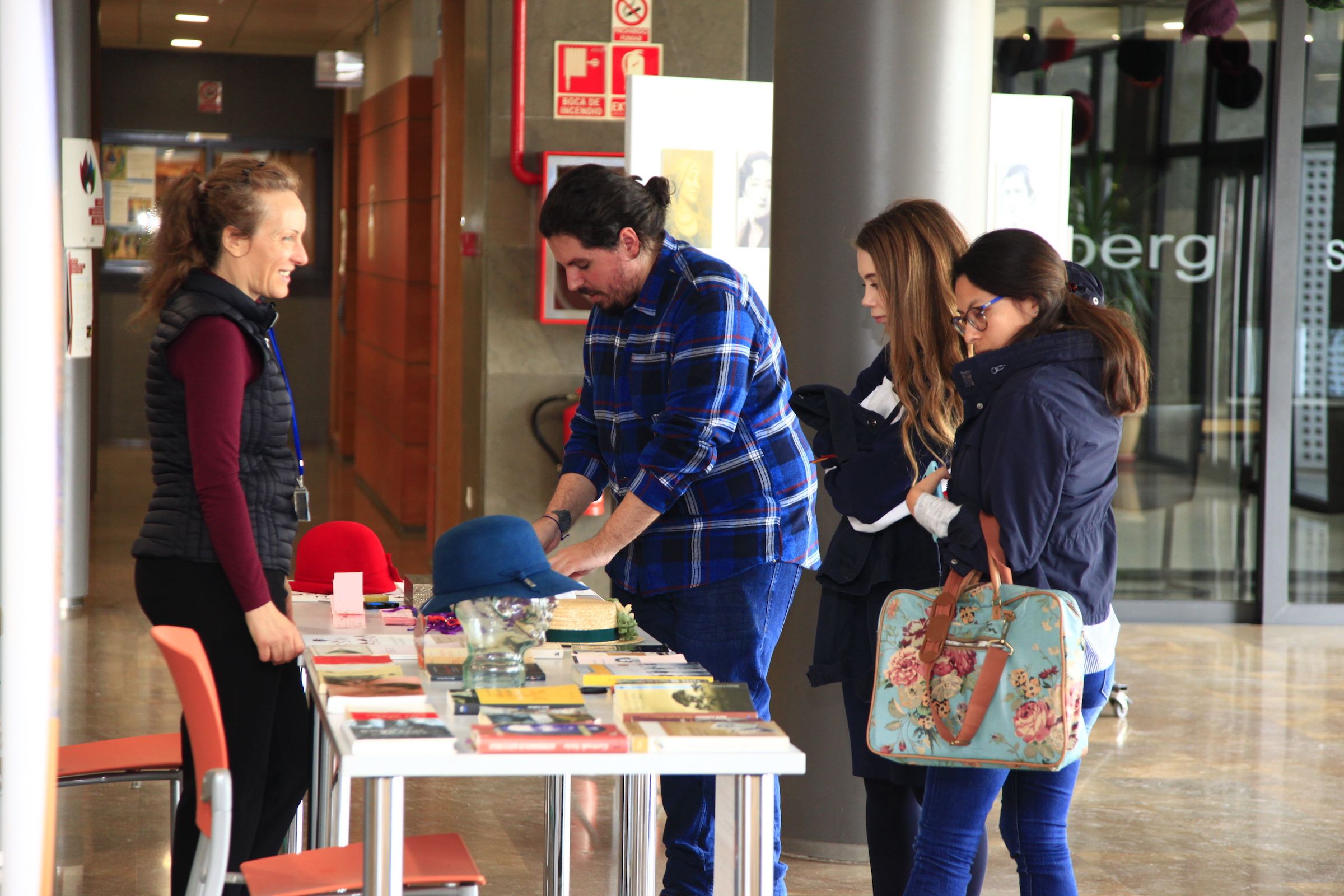
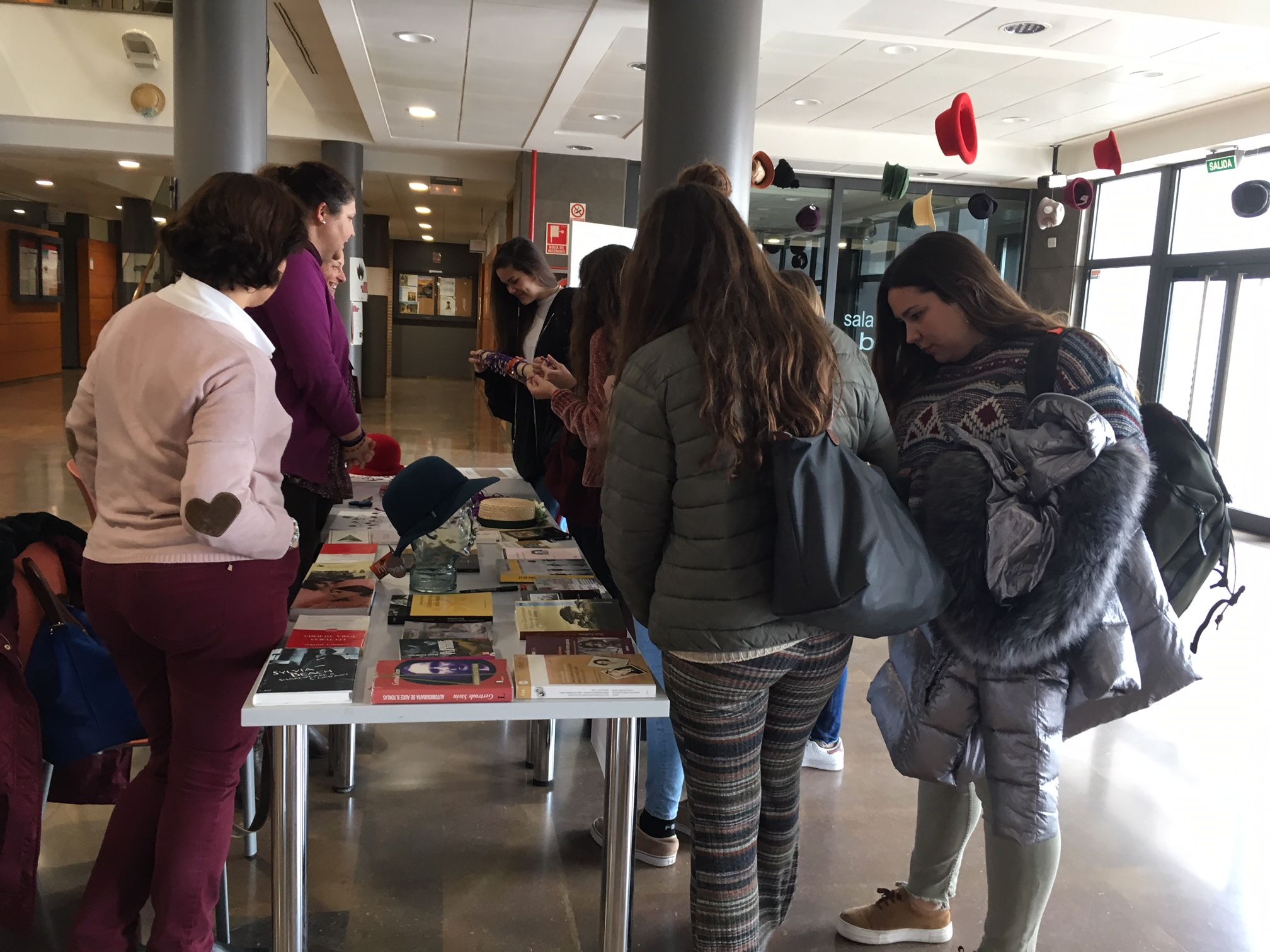
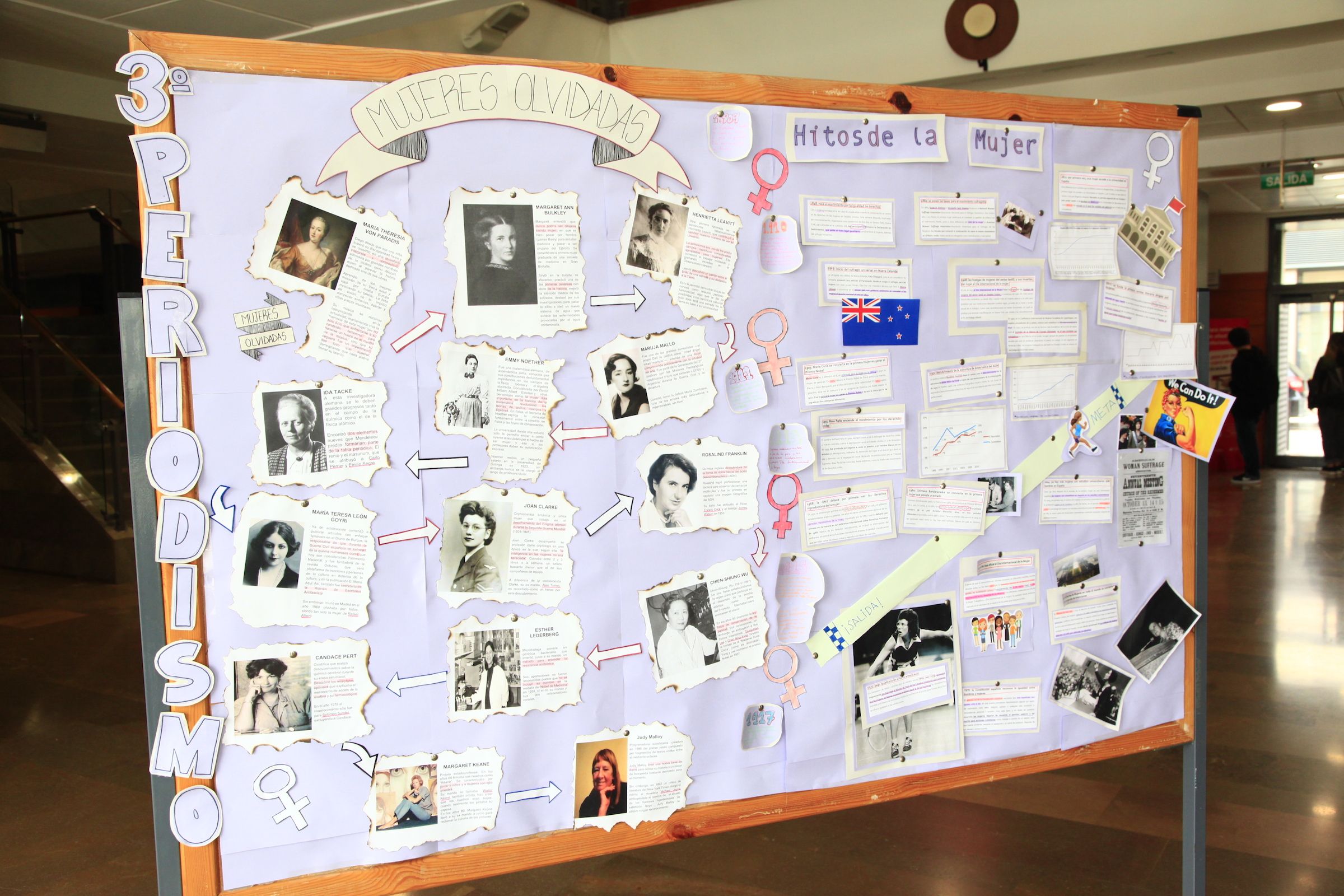
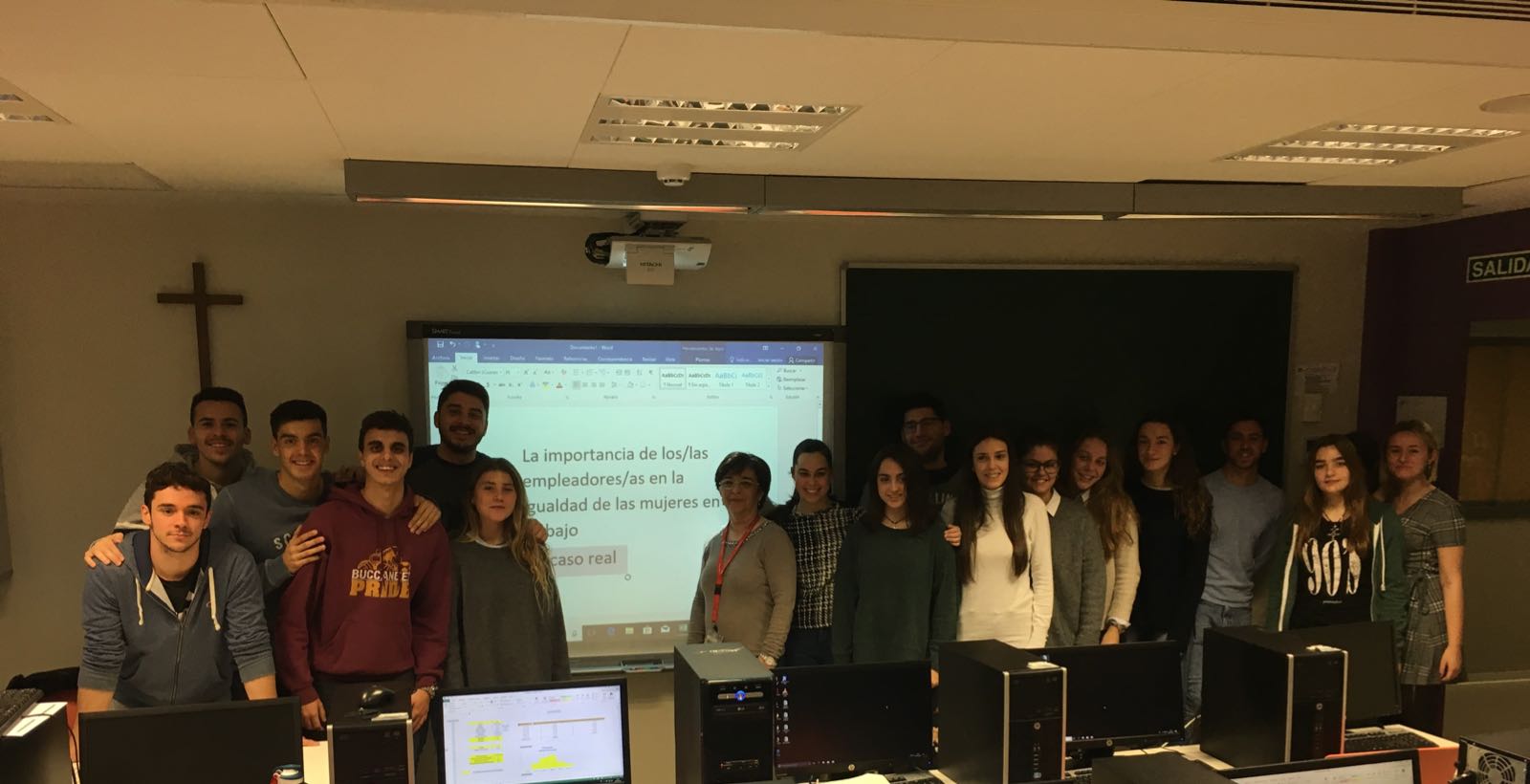
Animados por la Unidad de Igualdad, muchos profesores de la CEU UCH han destinado en sus respectivas clases un tiempo para la reflexión y el debate. En Elche, se ha organizado una Exposición sobre “Premios Nobel, Mujer y Literatura”, un Cine Forum sobre las “Sufragistas” y más de una decena de Seminarios que abordan temas específicos en los Grados de Derecho, Dirección de Empresas, Enfermería, Educación Infantil y Educación Primaria.
En Valencia, todos los Grados han preparado una actividad para permitir a los estudiantes visibilizar el papel de la mujer en sus respectivos entornos profesionales, desde las Veterinarias más reconocidas a las primeras mujeres que ingresaron en la NASA, pasando por los temas de mayor actualidad como el acceso de la mujer a los consejos de administración, el análisis de las campañas sexistas o la problemática de la violencia de género.
Día de la Mujer 2018, en la Universidad CEU Cardenal Herrera.Día de la Mujer 2018, en la Universidad CEU Cardenal Herrera.
Un 55%, nuestra ¿cuota?
Todas estas actividades han sido conducidas por profesores o profesoras indistintamente. El claustro de la CEU UCH está formado por mayoría de mujeres -un 54%-, que ocupan también la mayoría de los cargos de gestión –un 55%.
En cuanto a los datos sobre las mujeres investigadoras en la CEU UCH, los porcentajes se mantienen en horquillas similares. Son el 52% del personal investigador. Las mujeres van a realizar o han realizado el 47% de las estancias de investigación en este curso, y el 45% son Investigadoras Principales en proyectos financiados también este curso.
Tal y como reza el manifiesto de CRUE-Universidades españolas: “La Universidad es creadora y difusora de cultura y, al mismo tiempo, tiene que dar respuesta a las exigencias en el ámbito de la responsabilidad social. Ese es su deber: liderar la defensa de valores responsables socialmente y denunciar las desigualdades”.
Día de la Mujer 2018, en la Universidad CEU Cardenal Herrera.Día de la Mujer 2018, en la Universidad CEU Cardenal Herrera.
Gestos… de talento
Y el gesto que la comunidad CEU UCH ha compartido hoy es el de trasladar a los estudiantes y a la sociedad que el talento, la responsabilidad, la profesionalidad, la capacidad de liderazgo o las habilidades de comunicación de las personas son un capital humano muy valioso que antes o después termina imponiéndose a la discriminación.
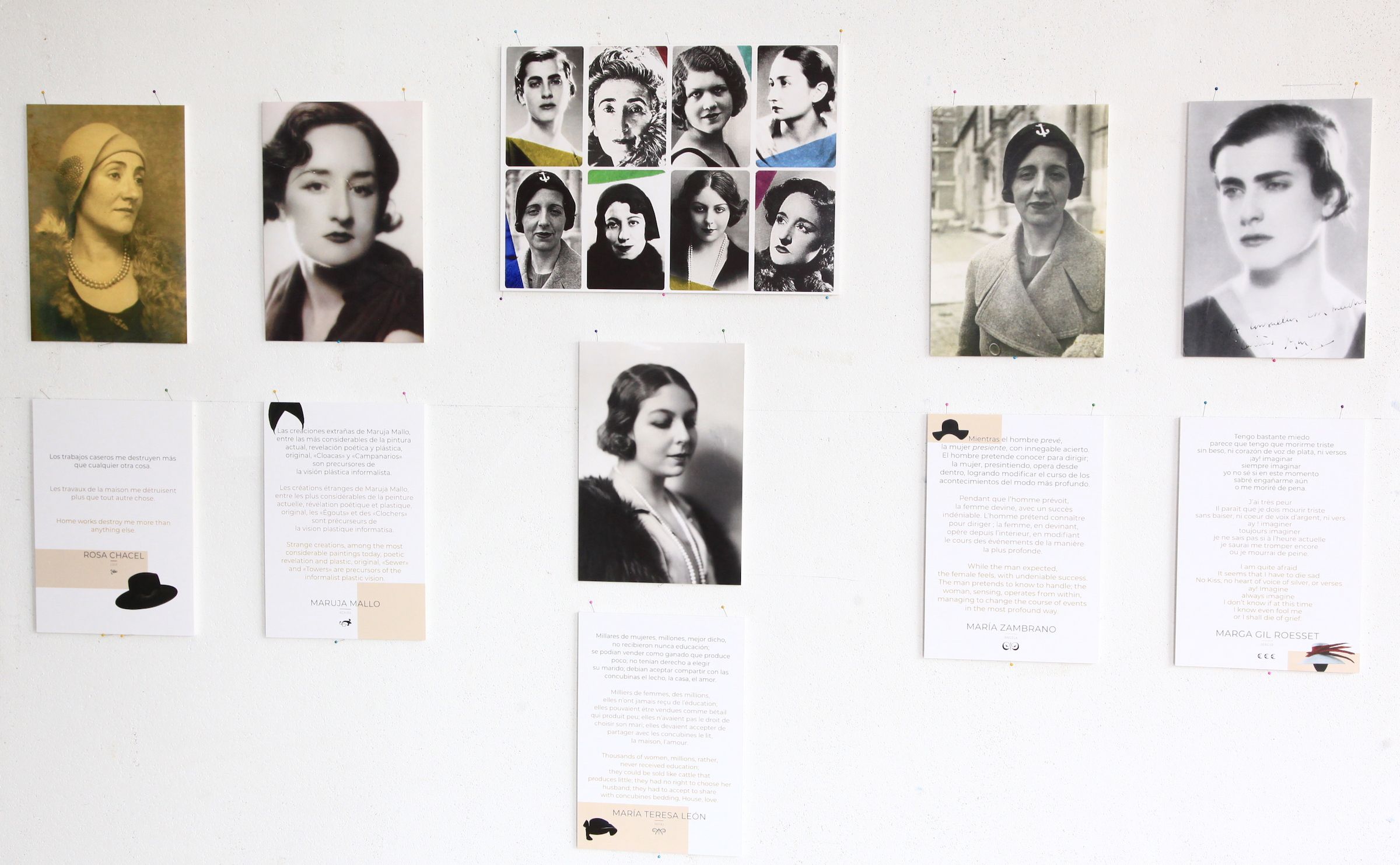
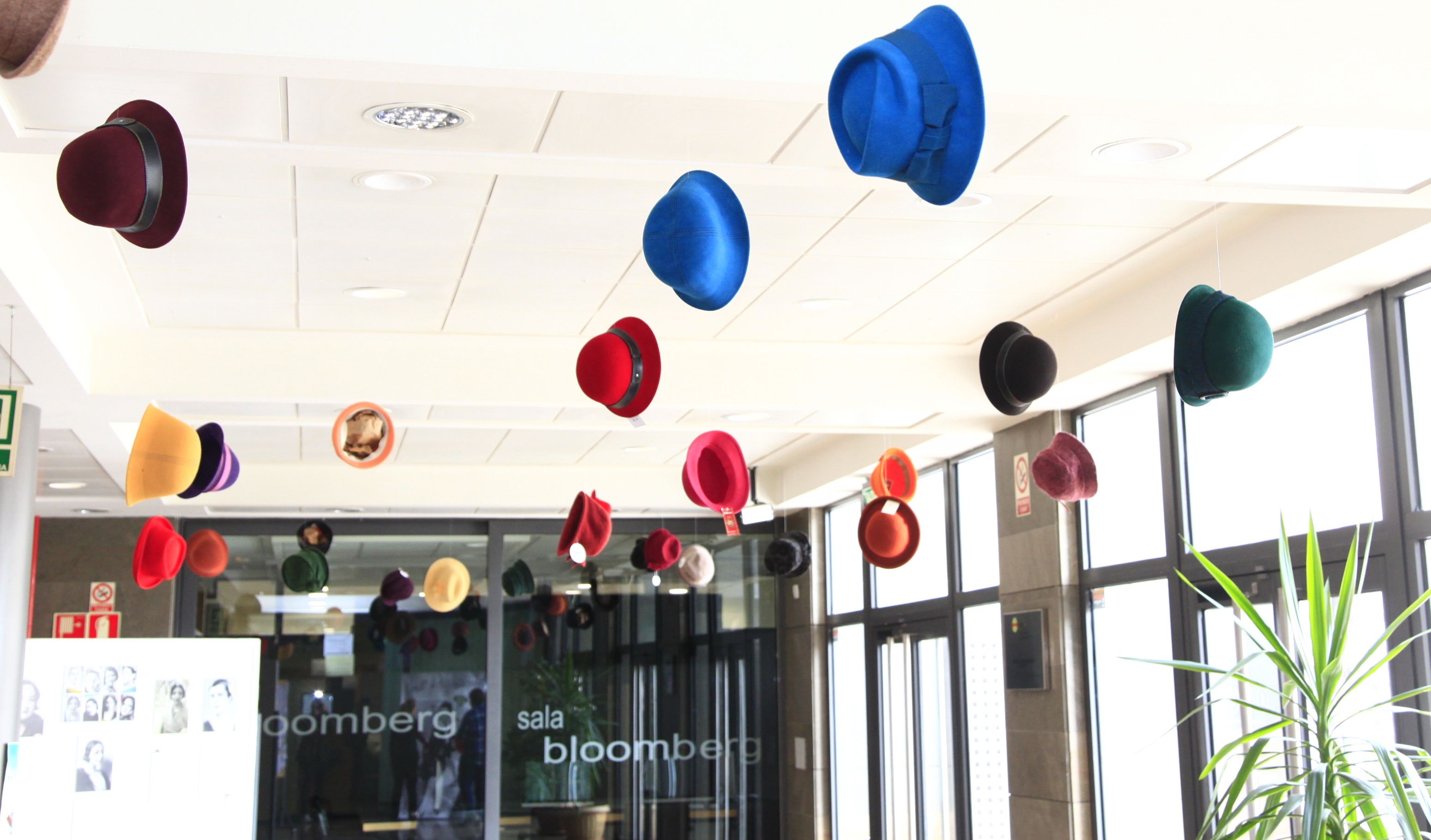
Las “sinsombrero” representaron con su rebeldía el gesto de una generación de hombres y mujeres, comprometidos con su tiempo, que reclamaban a la vez la apertura a la modernidad y la tradición popular. Una etapa de un camino que cada día recorremos juntos hombres y mujeres.
Día de la Mujer 2018, en la Universidad CEU Cardenal Herrera.
Profesores y miembros del personal de administración y servicios del centro de Elche de la Universidad CEU Cardenal Herrera realizarán mañana una serie de actividades y seminarios con motivo de la celebración del Día Internacional de la Mujer, que se llevarán a cabo en las sedes de Carmelitas y de Reyes Católicos, y en los que se analizarán diferentes aspectos de la vida diaria que afectan a las mujeres. Con estas iniciativas, los responsables del CEU en Elche quieren “dejar constancia de que su compromiso con la igualdad no se limita a una foto sino que la igualdad de derechos y oportunidades entre hombres y mujeres es una actitud de la Universidad”.
Entre las actividades programadas se encuentra la exposición «Premios Nobel, Mujer y Literatura», ubicada en la Biblioteca de la sede Reyes Católicos, en la que se repasa, en imágenes, el papel de las mujeres que han ganado este reconocimiento con una breve reseña de cada una de ellas; la proyección de los cortos «Una reflexión para el día de la mujer» y «Nacer niña es tener que superar muchos obstáculos» con los que se realizará a posteriori debate entre los asistentes; y diversos encuentros, vinculados a las titulaciones que se imparten en el CEU de Elche, para abordar el papel de la mujer desde un punto de vista político, legal o profesional, entre otros.
Así, por ejemplo, en otros seminarios, se abordará la influencia del género en el rol del enfermero y el tratamiento que hacen los medios de comunicación del mismo; un análisis de las iniciativas parlamentarias y de los partidos políticos en materia de igualdad; un análisis de la composición demográfica de las mujeres ocupadas y paradas, en el que, utilizando datos de la Encuesta de Población Activa, se examinarán la composición por edad y por nivel de formación alcanzado tanto del colectivo de mujeres paradas como ocupadas y se compararán con la composición de los hombres; el seminario Redrawing the balance: gender bias in children’s picture books, con el que se tratará de sensibilizar a los alumnos de la falta de visibilidad y protagonismo de las mujeres y niñas en los cuentos infantiles, finalizando la la actividad con la creación de un cuento con personajes femeninos como protagonistas; la protección legal de las mujeres en situaciones de embarazo, lactancia, suspensión del permiso de maternidad y para el cuidado de menores; la vinculación del género en la profesión de Enfermería y los spots publicitarios, para determinar la visión que los medios de comunicación tienen de la enfermería y cómo esa condición del género continúa existiendo en la actualidad; el seminario: “Presencia de la mujer en los libros de texto de ciencias sociales”, en el que llevará a cabo una pequeña investigación en la que los alumnos trabajarán los contenidos de distintos libros de texto de Ciencias Sociales con el fin de realizar un análisis sobre la presencia de mujeres en los mismos y las consecuencias de su silenciamiento.
Trabajando en el Royal Veterinary College, junto a su co-director de tesis, el doctor Holger Volk.
Sandra Sanchis Mora, licenciada en Veterinaria por la CEU UCH en 2008, es profesora e investigadora del Royal Veterinary College de Londres.
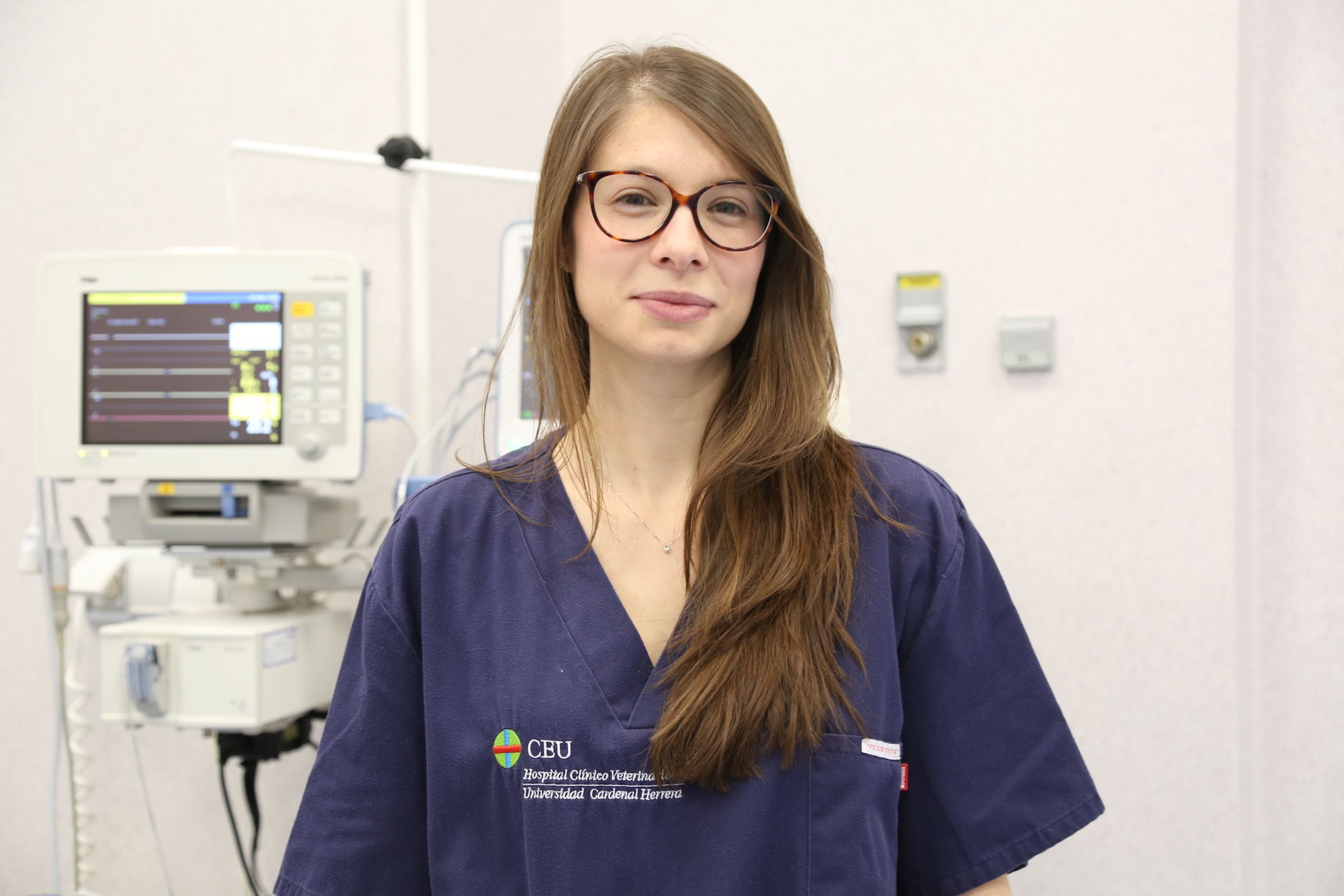
De estudiante de Veterinaria en la Universidad CEU Cardenal Herrera a profesora e investigadora del Royal Veterinary College de la University of London. Este es el recorrido profesional y científico de Sandra Sanchis Mora, licenciada en Veterinaria por la CEU UCH en 2008. Tras descubrir en sus clases de Anestesiología con el profesor José Ignacio Redondo este campo profesional y científico, Sandra inició una trayectoria investigadora que la ha llevado a convertirse en profesora de uno de los centros de formación veterinaria más prestigiosos del mundo. Desde el Royal Veterinary College en Londres, Sandra Sanchis colabora ahora en una investigación sobre bloqueo anestésico con la CEU UCH, la que fue su universidad. En primera persona, nos cuenta en esta entrevista su trayectoria y cómo nos ve al volver desde Londres a nuestras aulas.
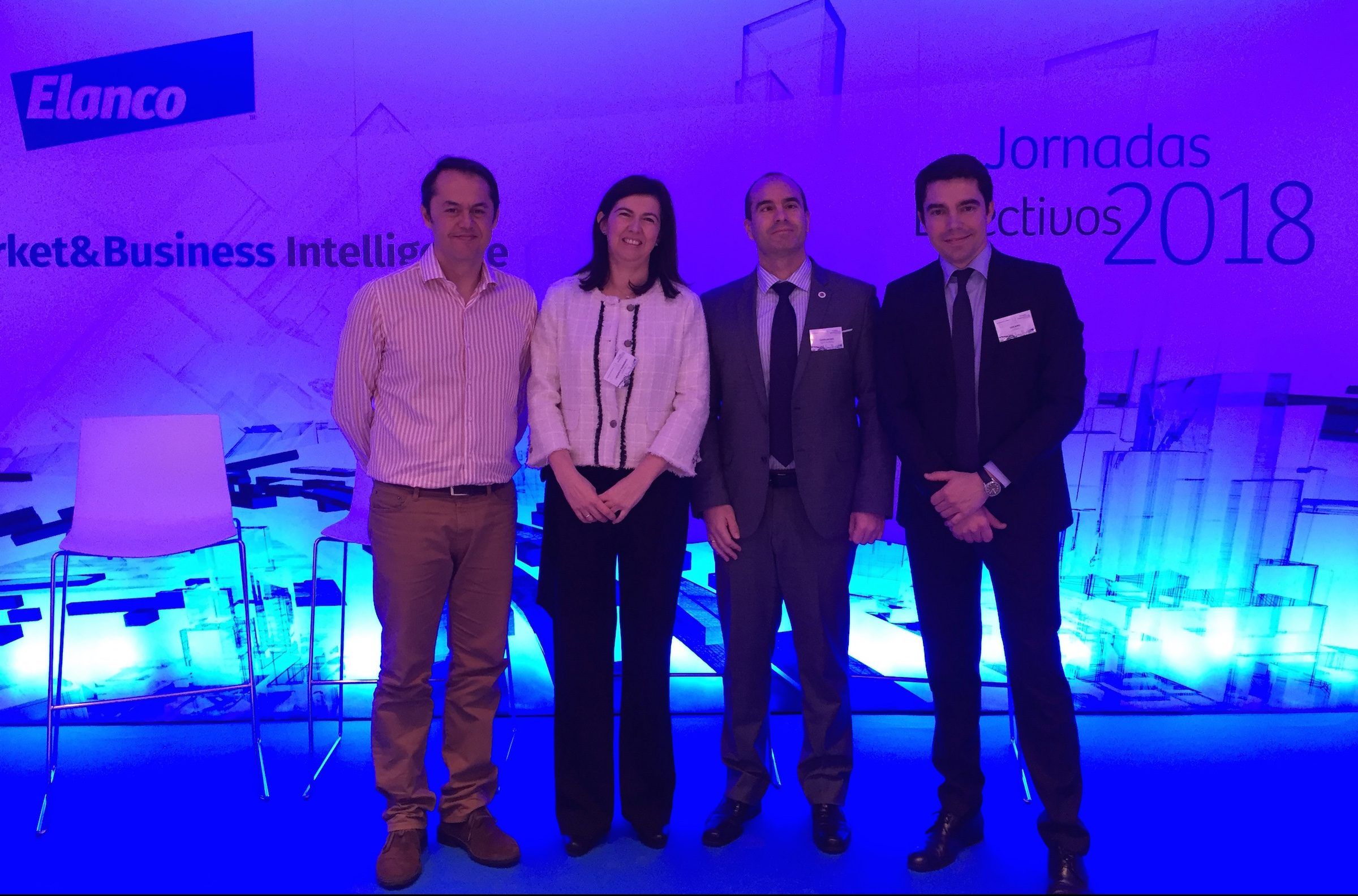
De izquierda a derecha, Alex Preukschat (uno de los ponentes), Susana Lapuente (Directora General Iberia-Italia de Elanco), Juan Manuel Corpa (Presidente de ASESCU) y Diego Vizcaíno (moderador y socio de AFI).
Las Jornadas Elanco reúnen cada año en Madrid a los principales responsables del sector ganadero español, con los que el profesor Corpa ha podido establecer contactos para el desarrollo de investigaciones en la CEU UCH
De izquierda a derecha, Alex Preukschat (uno de los ponentes), Susana Lapuente (Directora General Iberia-Italia de Elanco), Juan Manuel Corpa (Presidente de ASESCU) y Diego Vizcaíno (moderador y socio de AFI).
Juan Manuel Corpa Arenas, catedrático de Anatomía Patológica de la CEU UCH y presidente de la Asociación Española de Cunicultura (ASESCU), ha sido invitado por segundo año consecutivo a la Jornada de directivos del sector ganadero organizada por la multinacional Elanco. El catedrático Juan Manuel Corpa, director del Instituto de Investigación CEU de Ciencias Biomédicas y coordinador de Doctorado de la CEINDO en la CEU UCH, ha podido establecer en estas jornadas diversos contactos para favorecer la colaboración empresarial en el ámbito de la investigación en el campo de la ganadería que realiza la CEU UCH.
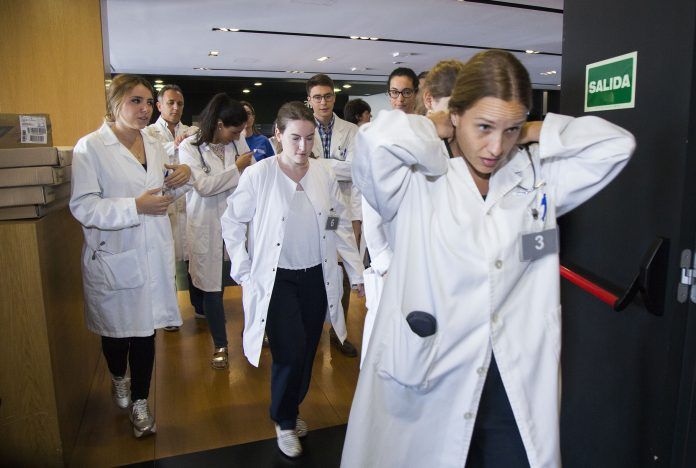
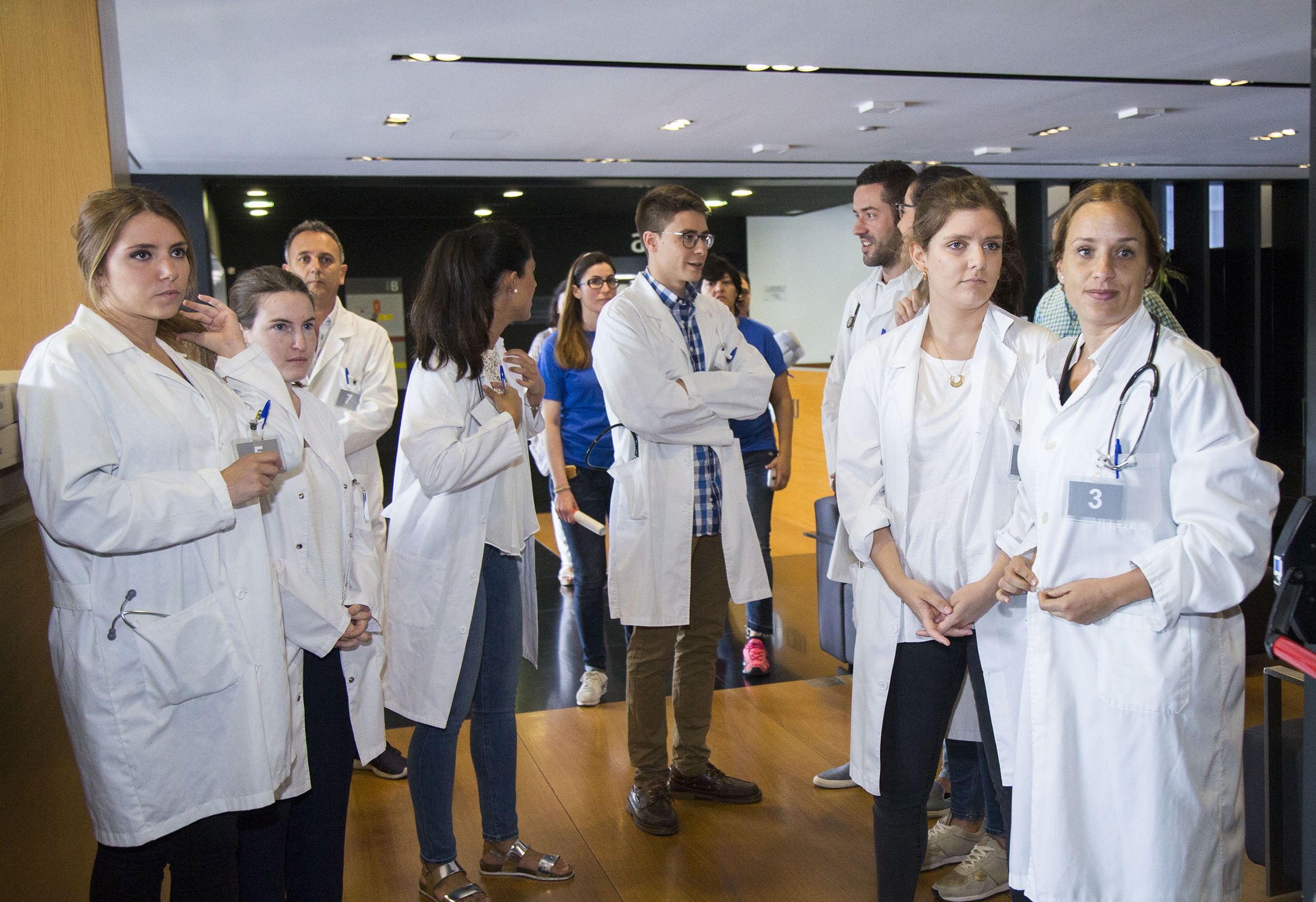
Los alumnos de sexto de Medicina del CEU de Castellón, durante la ECOE en el nuevo Centro de Simulación Avanzada.
Forma parte de la segunda promoción de médicos formados en las aulas de la Universidad CEU Cardenal Herrera en Castellón y entra en el ‘top ten’ de los futuros residentes de toda España, como el valenciano con mejor puntuación de 2018
Los alumnos de sexto de Medicina del CEU de Castellón, durante la ECOE en el nuevo Centro de Simulación Avanzada.
Héctor Manjón Rubio, estudiante de Medicina de la Universidad CEU Cardenal Herrera en Castellón, ha obtenido el mejor resultado de la Comunidad Valenciana en el examen MIR 2017-2018, realizado el 10 de febrero. Su nota le sitúa, con el décimo mejor resultado, en el ‘top ten’ de los mejores futuros residentes de toda España para elegir especialidad, entre los 14.448 médicos admitidos en esta prueba de Medicina para acceder a una plaza de formación sanitaria especializada.
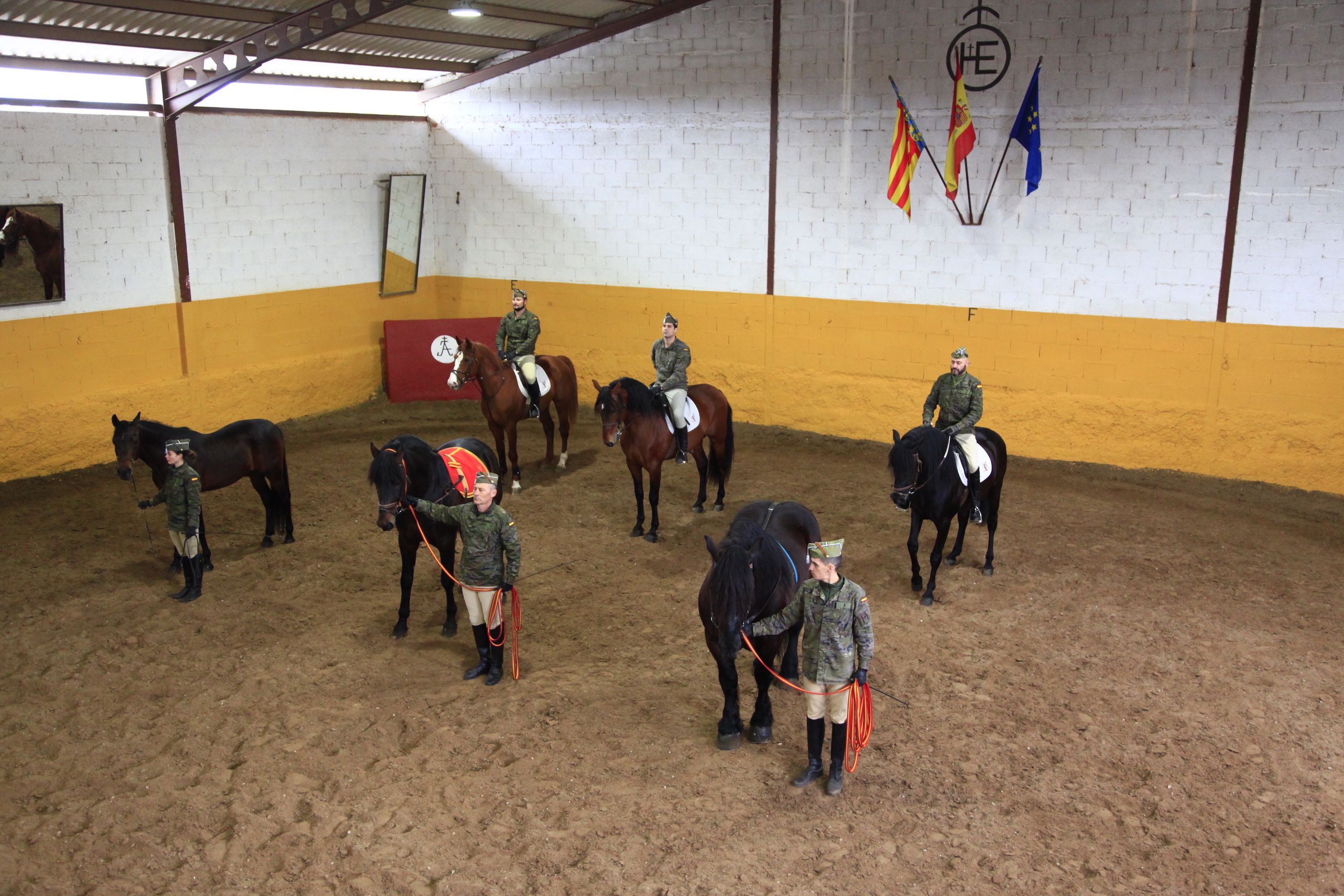
Se han presentado los cuatro sementales del Centro Militar de Cría Caballar de Zaragoza, que a partir del 26 de marzo estarán disponibles en la Parada que acogerá la Facultad de Veterinaria de la CEU UCH
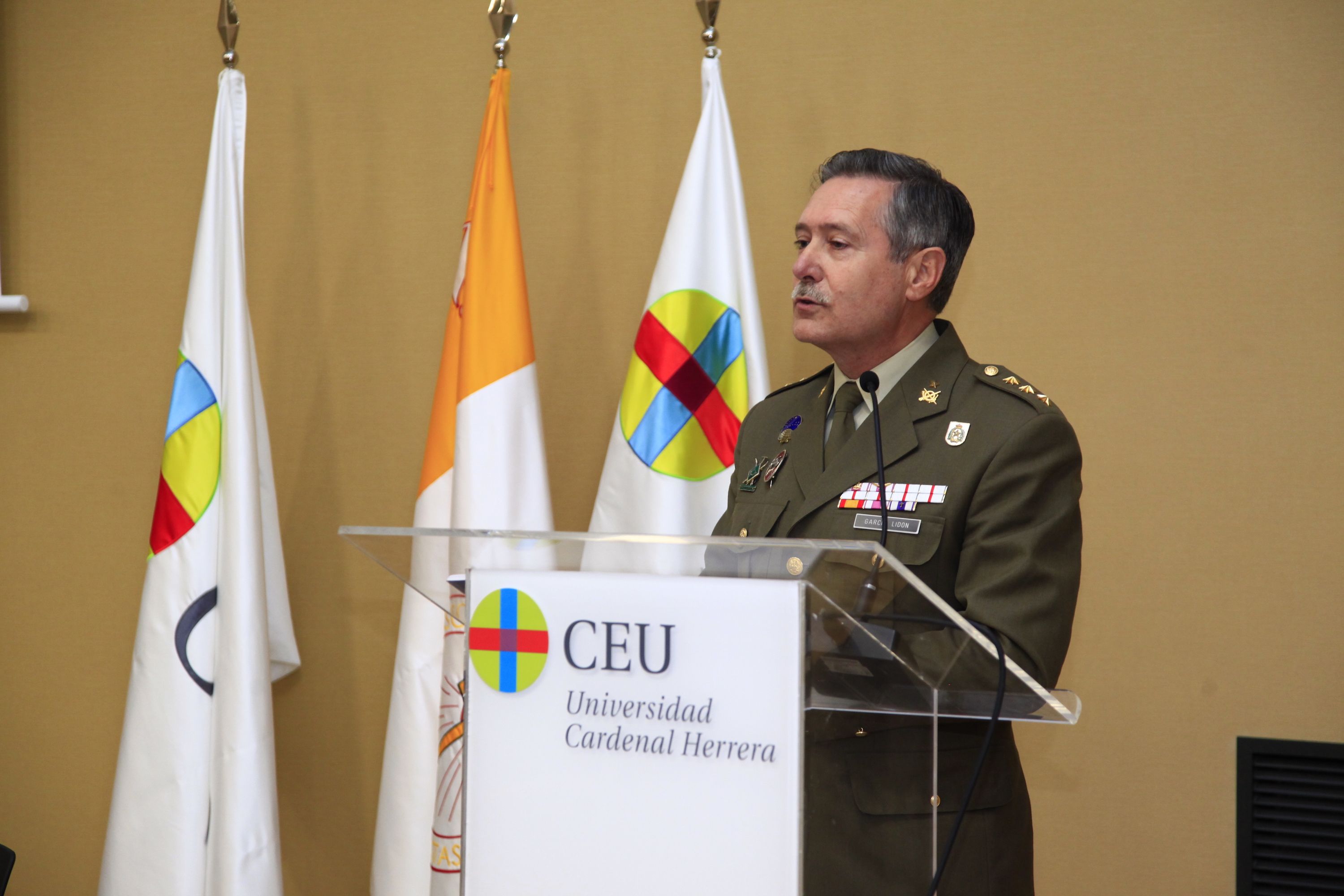
El Coronel Jesús Ángel García Lidón, de la Subdirección General de la Administración Periférica del Ministerio de Defensa en la Comunidad Valenciana, ha ofrecido la conferencia Cría Caballar de las Fuerzas Armadas
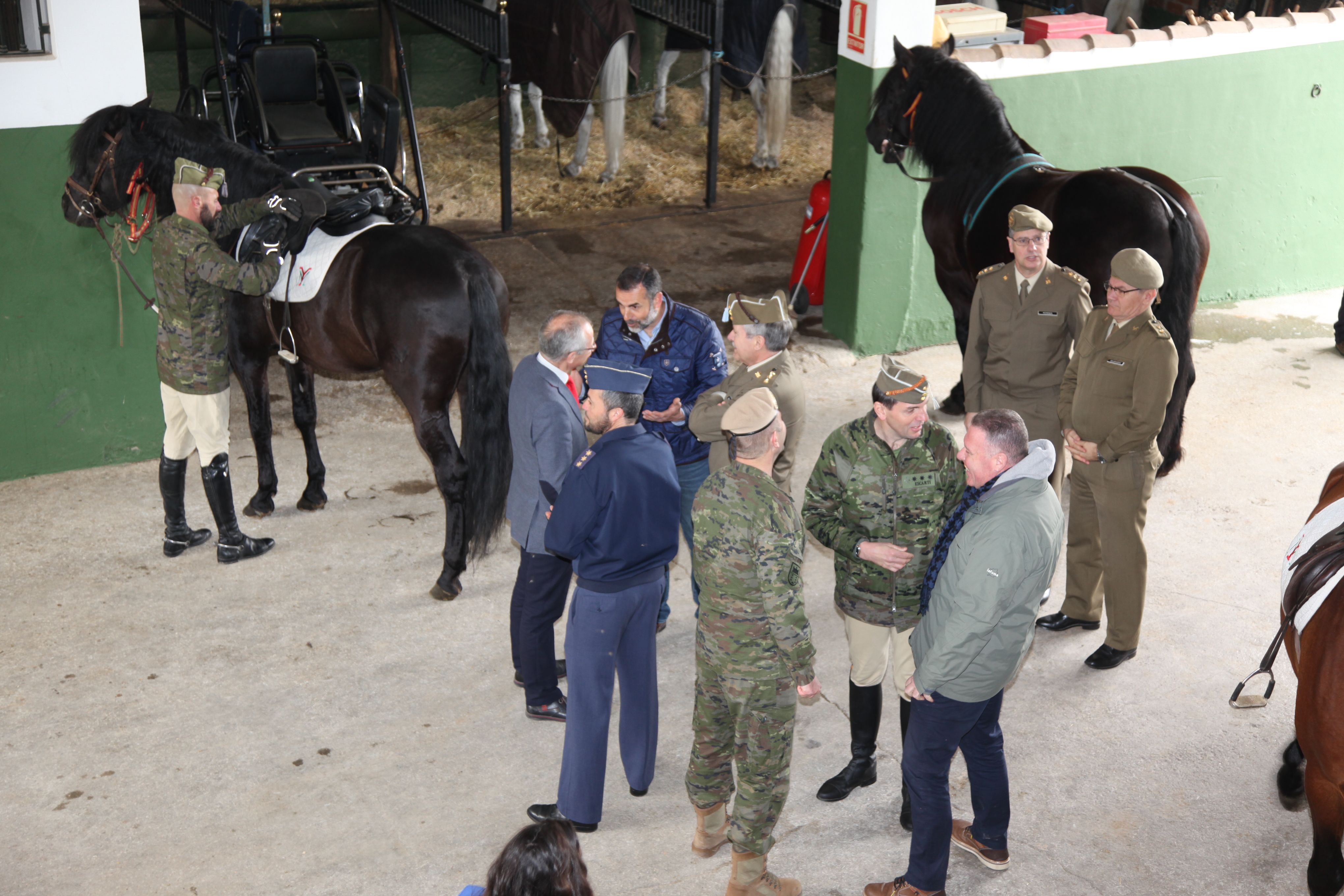
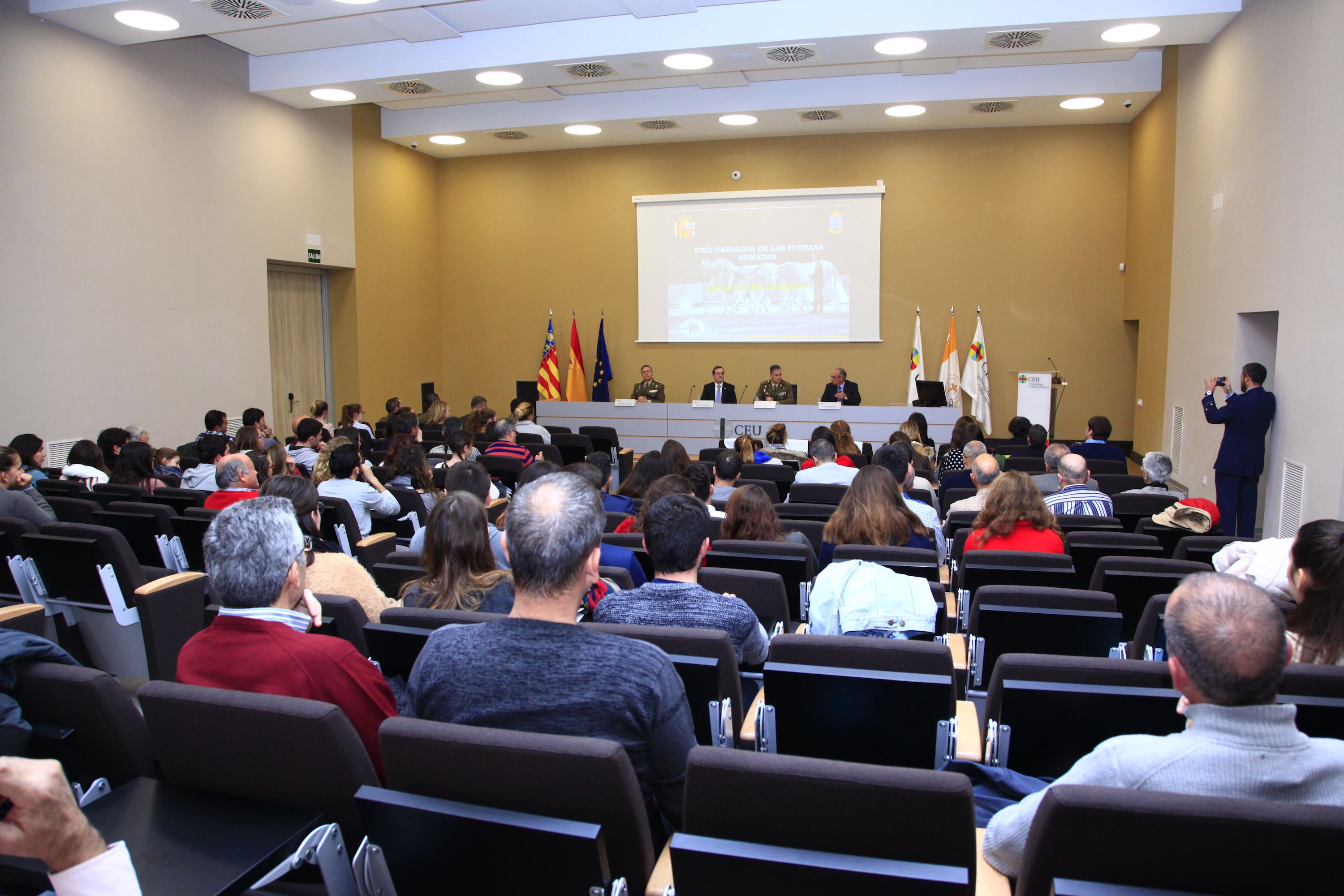
Veterinarios, ganaderos y socios de asociaciones de caballos y centros hípicos de la Comunidad Valenciana, junto con militares de Madrid, Zaragoza y Valencia, además de estudiantes de la Facultad de Veterinaria, han asistido a las Jornadas Cría Caballar Militar, organizadas por la Delegación de Defensa de la Comunidad Valenciana y la Universidad CEU Cardenal Herrera, en colaboración con el Centro Hípico Hnos. Esteban y PRECVAL (Asociación de Criadores de Caballos de Pura Raza Española de la Comunidad Valenciana).
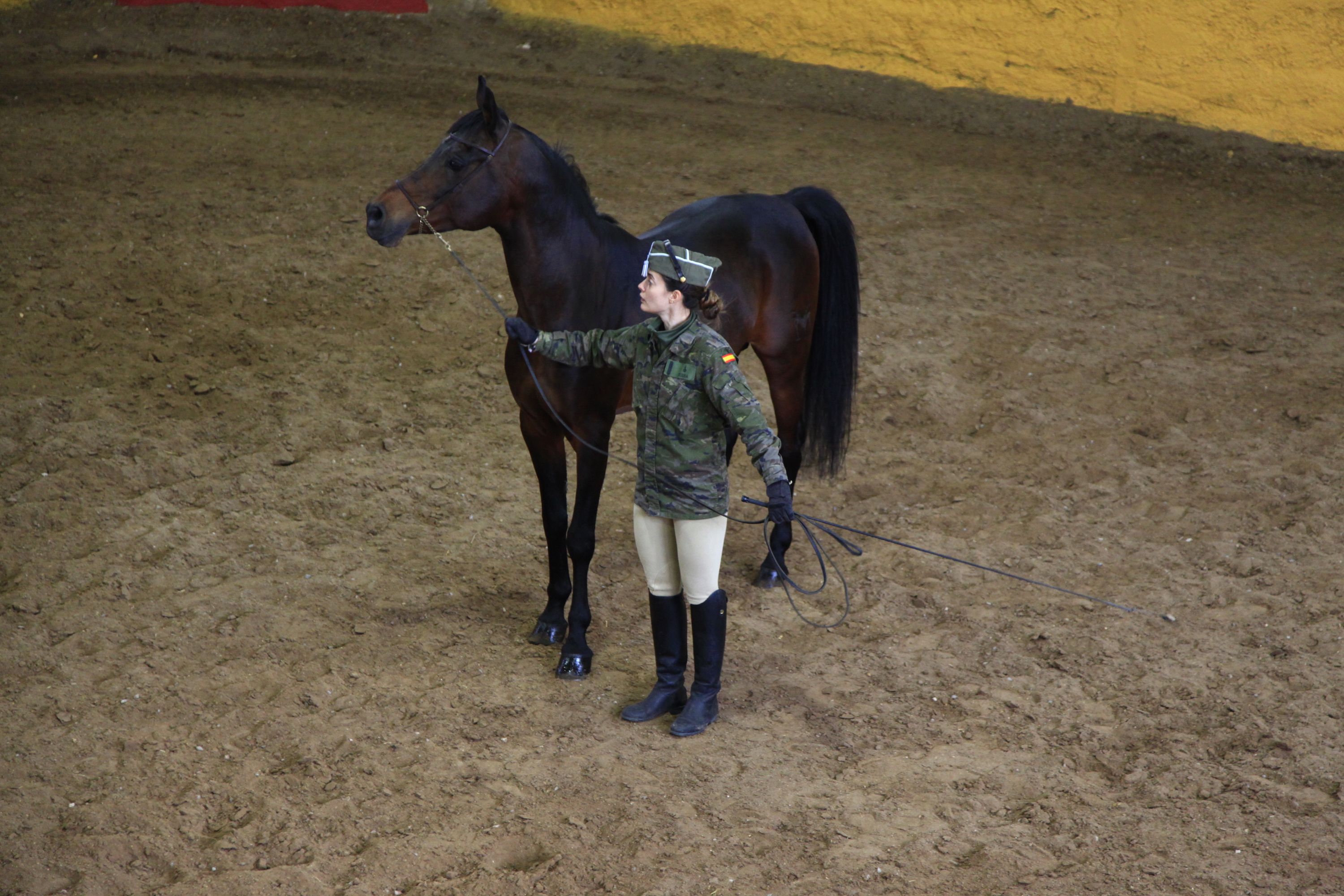
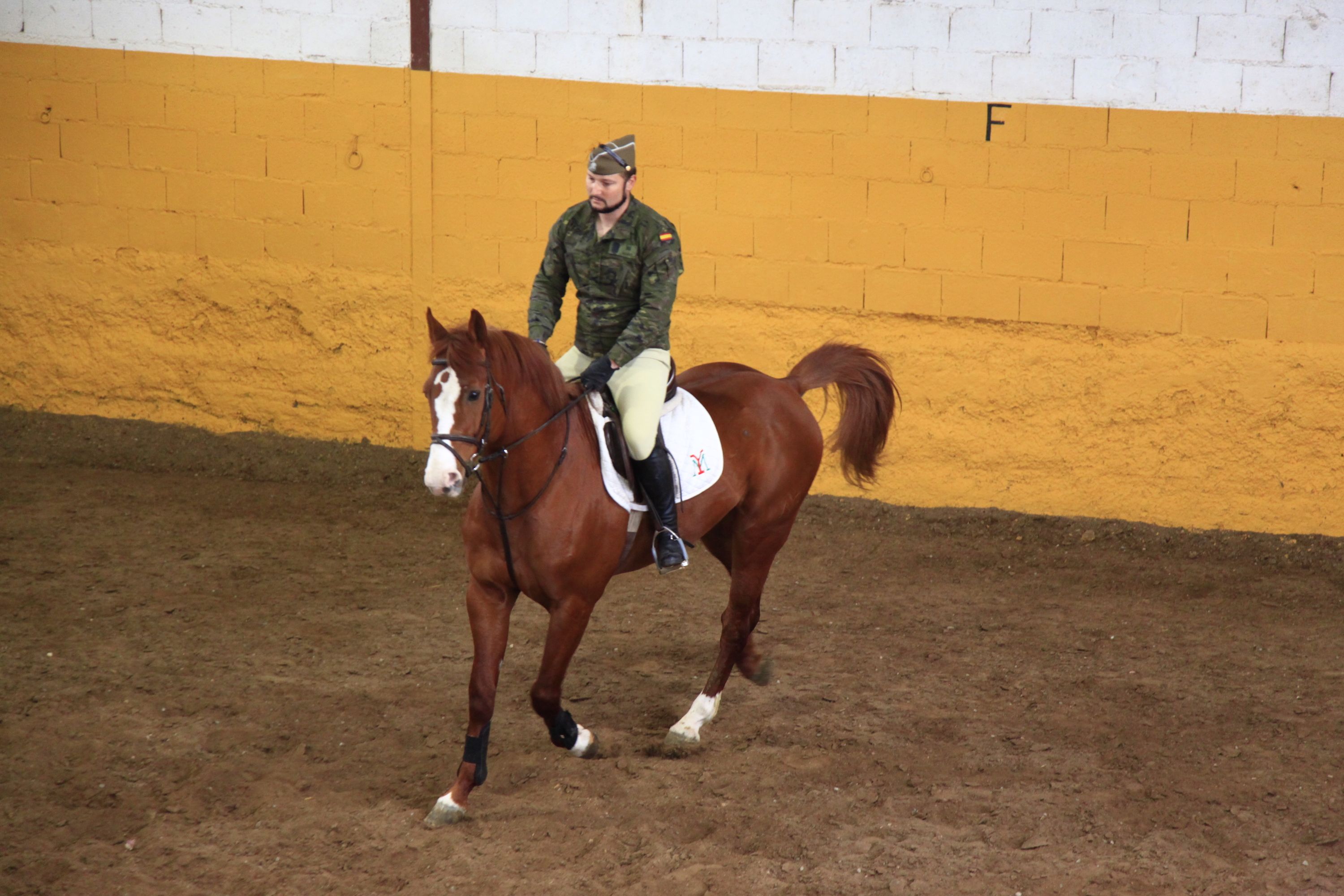
Los asistentes a las Jornadas, que se han desarrollado en Valencia, han tenido la oportunidad de conocer los sementales del Centro Militar de Cría Caballar de Zaragoza que entre el 26 de marzo y el 8 de junio, estarán disponibles para el servicio de yeguas de criadores y particulares, en la Parada que acogerá la Facultad de Veterinaria de la Universidad CEU Cardenal Herrera. Cuatro sementales, Getino y Mediero, pura raza español; Fabrilo, pura raza árabe, e Iruz, caballo de deporte español.
El Centro Hípico Hermanos Esteban de Llíria ha sido el escenario escogido para la presentación de estos sementales, en la que también han participado Cepellón, pura raza español, y Carbonero, hispano-bretón, ambos pertenecientes también al Centro Militar de Cría Caballar en Zaragoza.
María Plaza, profesora y doctora en Veterinaria, responsable del Servicio de Reproducción Equina del Hospital Clínico Veterinario de la Universidad, ha destacado cómo la presentación en pista de los sementales “permite a los ganaderos ver al caballo en movimiento, además de permitirles conocer sus características morfológicas, sus cualidades deportivas, funcionales y la genealogía de cada uno de los caballos”.
Conferencia Cría Caballar Militar y visita al Hospital Clínico Veterinario de la Universidad
Las Jornadas Cría Caballar Militar, que se han desarrollado a lo largo de dos días, han comenzado en el campus de Valencia de la CEU UCH con una conferencia sobre Cría Caballar Militar y la visita a las instalaciones del Hospital Clínico Veterinario de la Universidad CEU Cardenal Herrera.
El Coronel Jesús Ángel García Lidón, de la Subdirección General de la Administración Periférica del Ministerio de Defensa en la Comunidad Valenciana, ha ofrecido una conferencia sobre la historia de Cría Caballar de las Fuerzas Armadas, el origen de sus funciones y su relación con los Ejércitos. Una intervención que ha permitido conocer más sobre las posibilidades que brinda este organismo del Estado que, además de facilitar a las Fuerzas Armadas y Cuerpos de Seguridad del Estado los caballos y perros para el cumplimiento de sus funciones, también contribuye a la conservación del patrimonio genético de la cabaña equina española, y aporta al sector ganadero sementales para mejorar y aumentar la producción equina nacional mediante paradas públicas.
En su intervención, ha detallado las actividades del Servicio de Cría Caballar de las Fuerzas Armadas, desde la crianza y la selección de los más de 1.300 caballos que atienden y que ponen a disposición de las Fuerzas y Cuerpos de Seguridad del Estado. El Coronel García Lidón ha descrito las características de las seis razas que seleccionan: Pura raza español, Pura sangre inglés, Pura raza árabe, Anglo árabe, Hispano árabe y Caballo de deporte español junto con el Hispano bretón, destinado a la Guardia Real.
Al finalizar su conferencia, el Coronel ha señalado cómo “el Servicio de Cría Caballar cuida un singular patrimonio genético, pero también material – carruajes, edificios, documentación – y de conocimientos”.
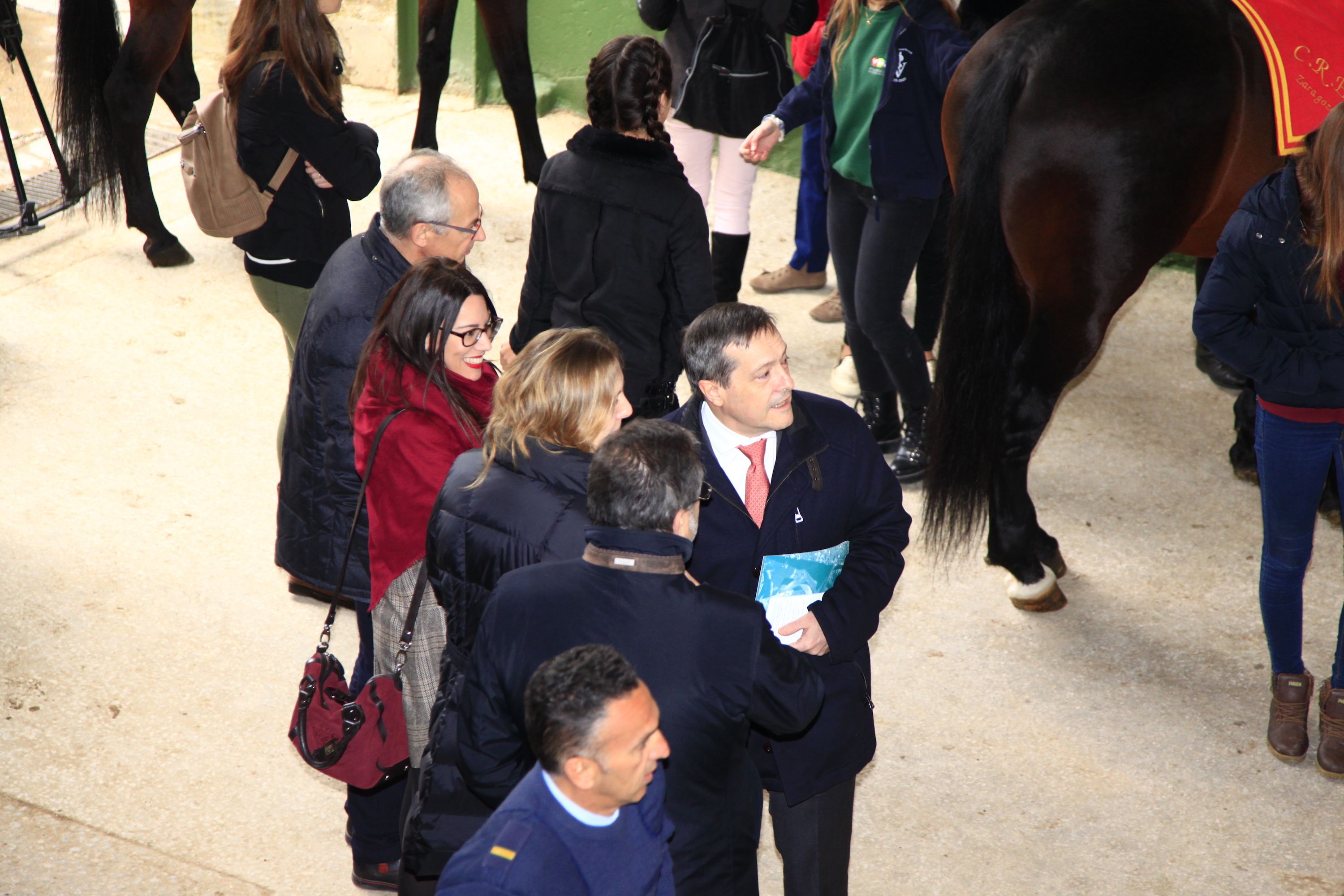
Antes de la conferencia, militares, veterinarios y ganaderos han tenido la oportunidad de visitar las instalaciones del HCV-CEU, acompañados del decano de la Facultad de Veterinaria, José Terrado. El Hospital Clínico Veterinario del CEU es un centro de referencia en la Comunidad Valenciana, especializado tanto en el área de Pequeños Animales como en el de Grandes Animales (especialmente équidos). El Servicio de Reproducción Equina del HCV CEU es un centro autorizado para la inseminación artificial, donde los interesados pueden también solicitar otros servicios como exámenes reproductivos, evaluaciones de fertilidad en yeguas y sementales, tratamientos de fertilidad, asistencia al parto o controles de gestación de alto riesgo.
El decano de Veterinaria, José Terrado, en la presentación de los caballos, junto con la vicedecana Lorena Mocé, el vicerrector de Ordenación Académica, Gerardo Antón; el profesor Rafael Martín Algarra y la profesora María Plaza, responsable del Servicio de Reproducción Equina del HCV CEU.
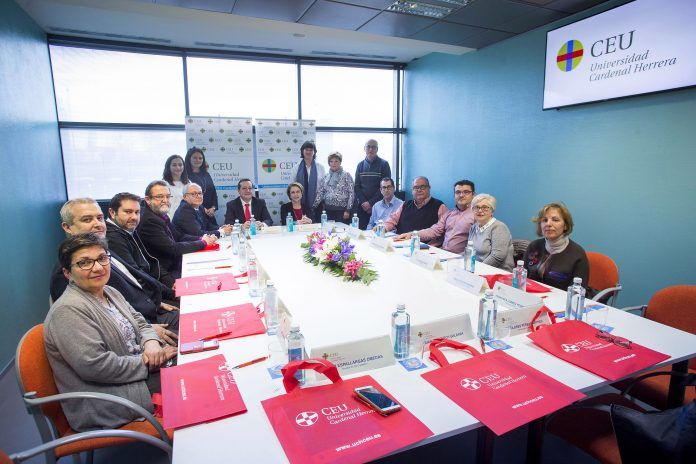
Agustín Fernández, director médico de Hospitales Vithas-Nisa; el vicerrector de Investigación de la CEU UCH, Ignacio Pérez Roger; la directora de la Fundación Vithas Nisa, Mar Álvarez; el presidente del Colegio de Enfermería de Valencia, Juan José Tirado; la decana de la Facultad de Ciencias de la Salud de la CEU UCH, Alicia López Castellano; y el doctor José Piquer, titular de la Cátedra de Neurociencias CEU-Fundación Vithas Nisa.
Dos premios, más de cuarenta publicaciones científicas, siete tesis doctorales y varios programas formativos y asistenciales en España y África son algunos de los resultados presentados en la memoria de actividades de los tres primeros años de esta Cátedra
Agustín Fernández, director médico de Hospitales Vithas-Nisa; el vicerrector de Investigación de la CEU UCH, Ignacio Pérez Roger; la directora de la Fundación Vithas Nisa, Mar Álvarez; el presidente del Colegio de Enfermería de Valencia, Juan José Tirado; la decana de la Facultad de Ciencias de la Salud de la CEU UCH, Alicia López Castellano; y el doctor José Piquer, titular de la Cátedra de Neurociencias CEU-Fundación Vithas Nisa.
En la IV Conferencia anual de la Cátedra de Neurociencias CEU-Fundación Vithas Nisa, el presidente del Colegio de Enfermería de Valencia, Juan José Tirado, ha pedido mayor reconocimiento a la labor humanitaria de los profesionales sanitarios, una de las áreas de actividad de la Cátedra
La Cátedra de Neurociencias CEU-Fundación Vithas Nisa, creada en 2015 por la Universidad CEU Cardenal Herrera de Valencia y la Fundación Vithas Nisa, del Grupo de Hospitales Vithas-Nisa, verá prorrogada su actividad durante los próximos tres años. Así lo han acordado las entidades fundadoras de esta Cátedra, dedicada al desarrollo de actividades asistenciales, académicas e investigadoras en las especialidades de la Medicina y la Enfermería vinculadas al campo de las Neurociencias, bajo la dirección del doctor José Piquer, neurocirujano y profesor de Medicina de la CEU UCH.
El club y la universidad han donado cerca de 800 euros a la ONGD para una nueva expedición a Ghana
En la misión, que se prolonga hasta el próximo día 17, participan un profesor de Enfermería, cuatro alumnas de esta titulación y otras tres de Medicina del CEU
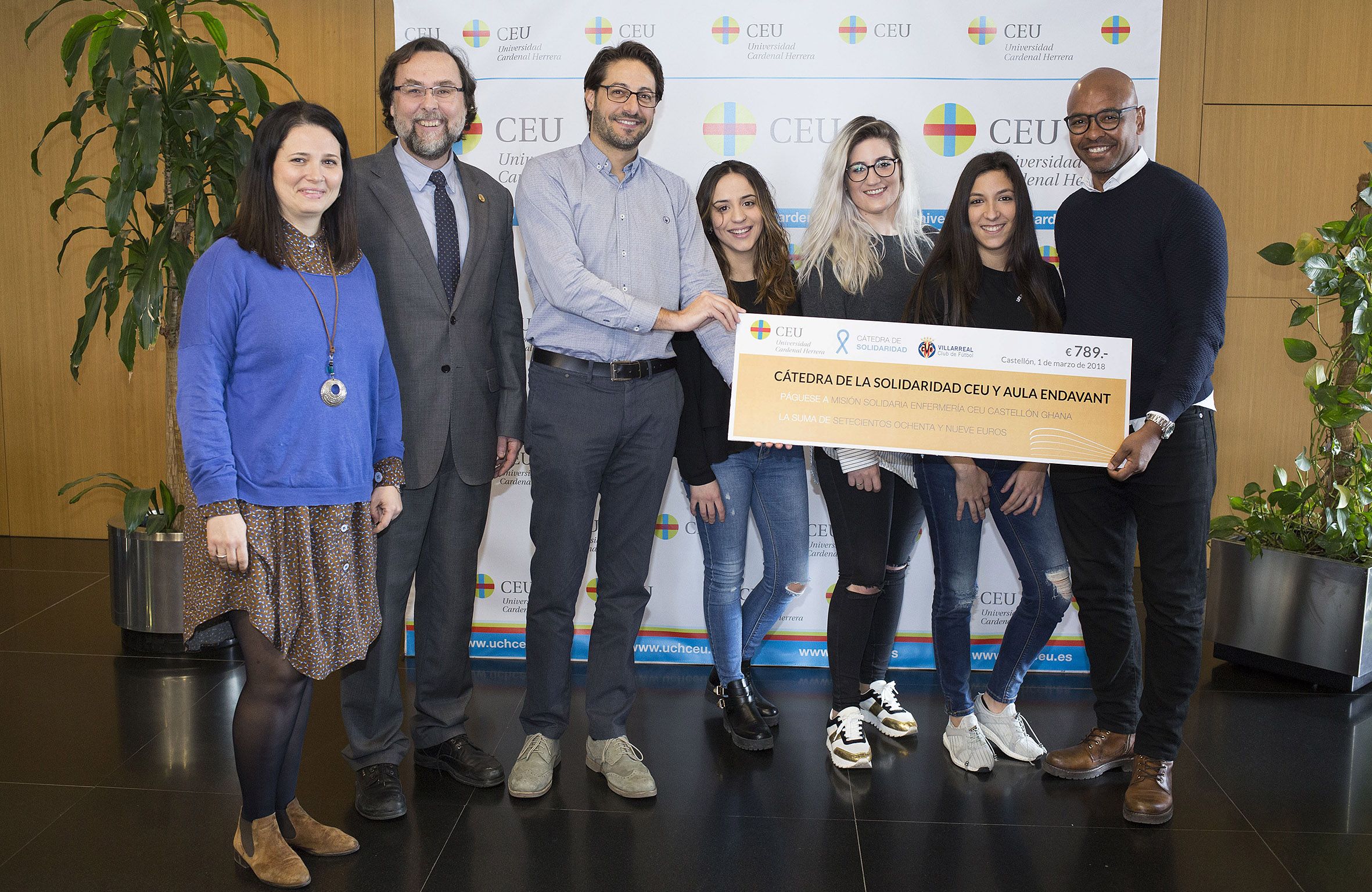
Marcos Senna ha entregado el cheque solidario a una representación de los voluntarios
Tres de las alumnas y el profesor del CEU que participarán en la misión solidaria, con Marcos Senna y responsables de la Universidad
La colaboración que iniciaron el pasado mes de octubre la Universidad CEU Cardenal Herrera y el Villarreal CF para promover proyectos de interés social ha dado su primer fruto: un donativo destinado a la nueva misión de la ONGD castellonense Youcanyolé en Ghana, que este año vuelve a integrar en su equipo sanitario a estudiantes del CEU.
En concreto, esta expedición solidaria, que concluye el próximo 17 de marzo, contará con la participación de un profesor y cuatro alumnas de Enfermería del CEU y, por primera vez, con alumnos de Medicina, tres en esta ocasión.
El cheque solidario, de cerca de 800 euros, ha sido entregado por Marcos Senna, ex jugador y actual embajador del Villarreal y del proyecto Endavant, a una representación del equipo sanitario del CEU que se integra en la expedición de Youcanyolé.
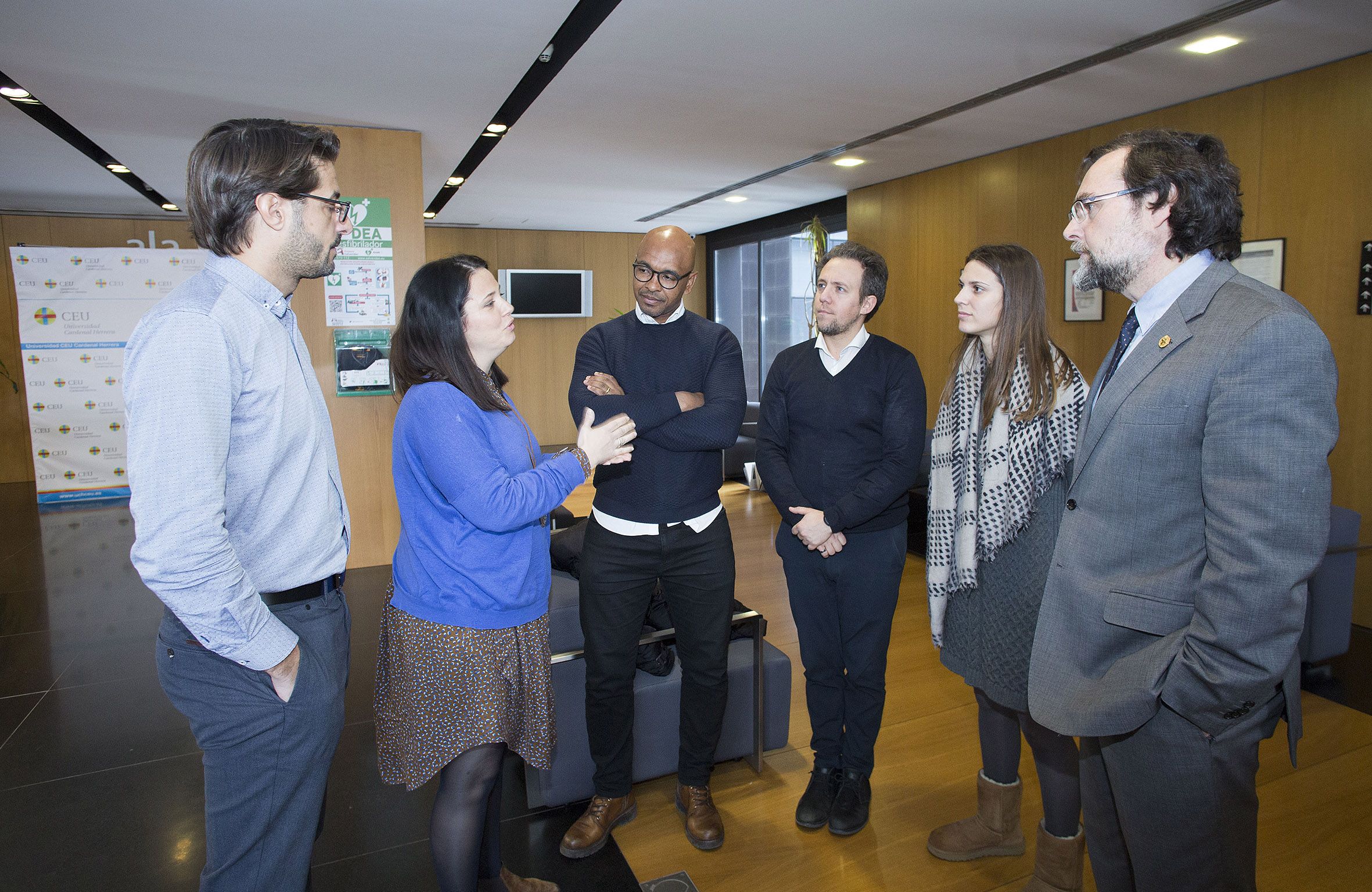
La coordinadora de Enfermería del CEU explica a los representantes del club detalles de la misión humanitaria en la que participan los alumnos
El dinero recaudado procede de las entradas de los partidos de liga disputados en el Estadio de la Cerámica que el club está cediendo a la Cátedra de Solidaridad del CEU con el objetivo de obtener recursos para las acciones sociales impulsadas por esta universidad.
Este primer donativo ha sido posible gracias a los numerosos profesores, estudiantes y personal del CEU de Castellón que se han sumado a la iniciativa solidaria adquiriendo a un precio especial estas entradas.
El cheque solidario del CEU y el Villarreal apoyará la labor del equipo médico y sanitario de la ONGD castellonense en la quinta misión que Youcanyolé desarrolla en Ghana y la tercera en que lo hace contando con un equipo de Ciencias de la Salud del CEU de Castellón.
Por delante, un nuevo reto solidario en colaboración con la ONG «In my Father House» en el que los voluntarios, además de realizar revisiones médicas, oftalmológicas y odontológicas a la población, impartirán talleres de higiene bucodental, reanimación cardiopulmonar y lavado de manos, y llevarán gafas y ropa donadas por los ciudadanos de Castellón a numerosos niños y adultos de Ghana.
La ONGD Youcanyolé, realiza expediciones médico-sanitarias a Kenya y Ghana con voluntarios que deseen colaborar de una manera activa. Todos los integrantes se costean sus gastos y el 100% de lo recogido se destina a la compra de medicación, proyectos y medical camps por zonas muy necesitadas.
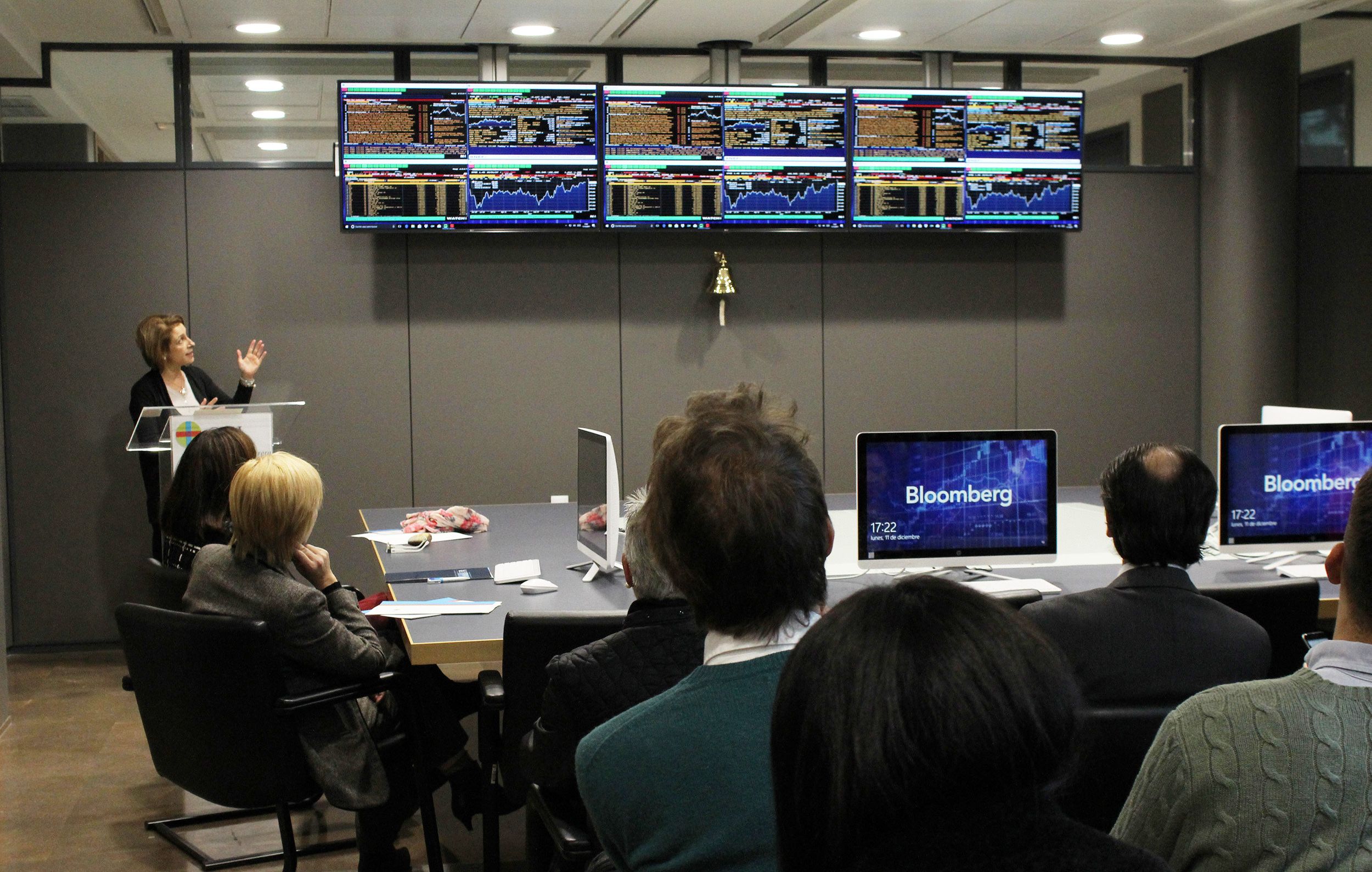
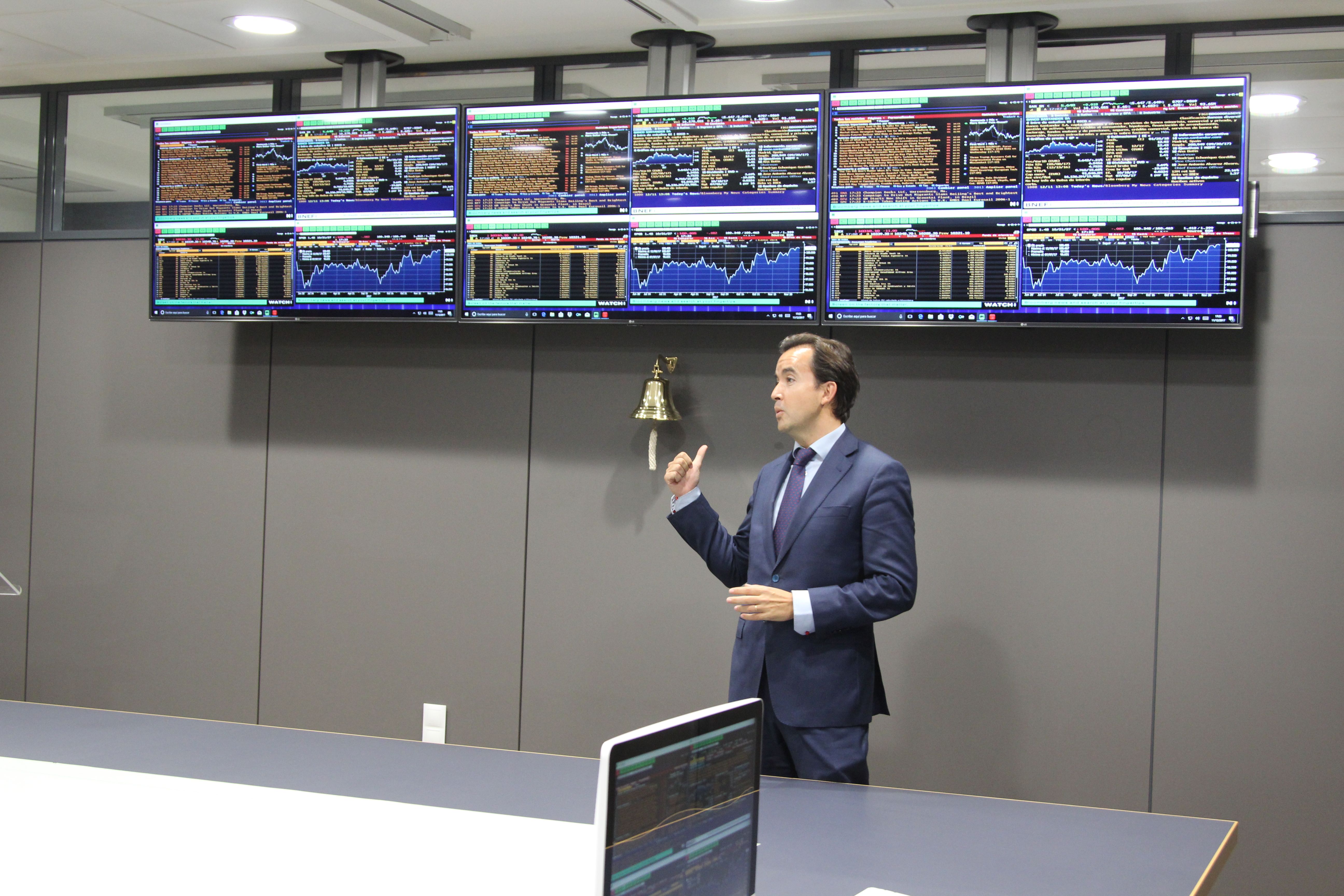
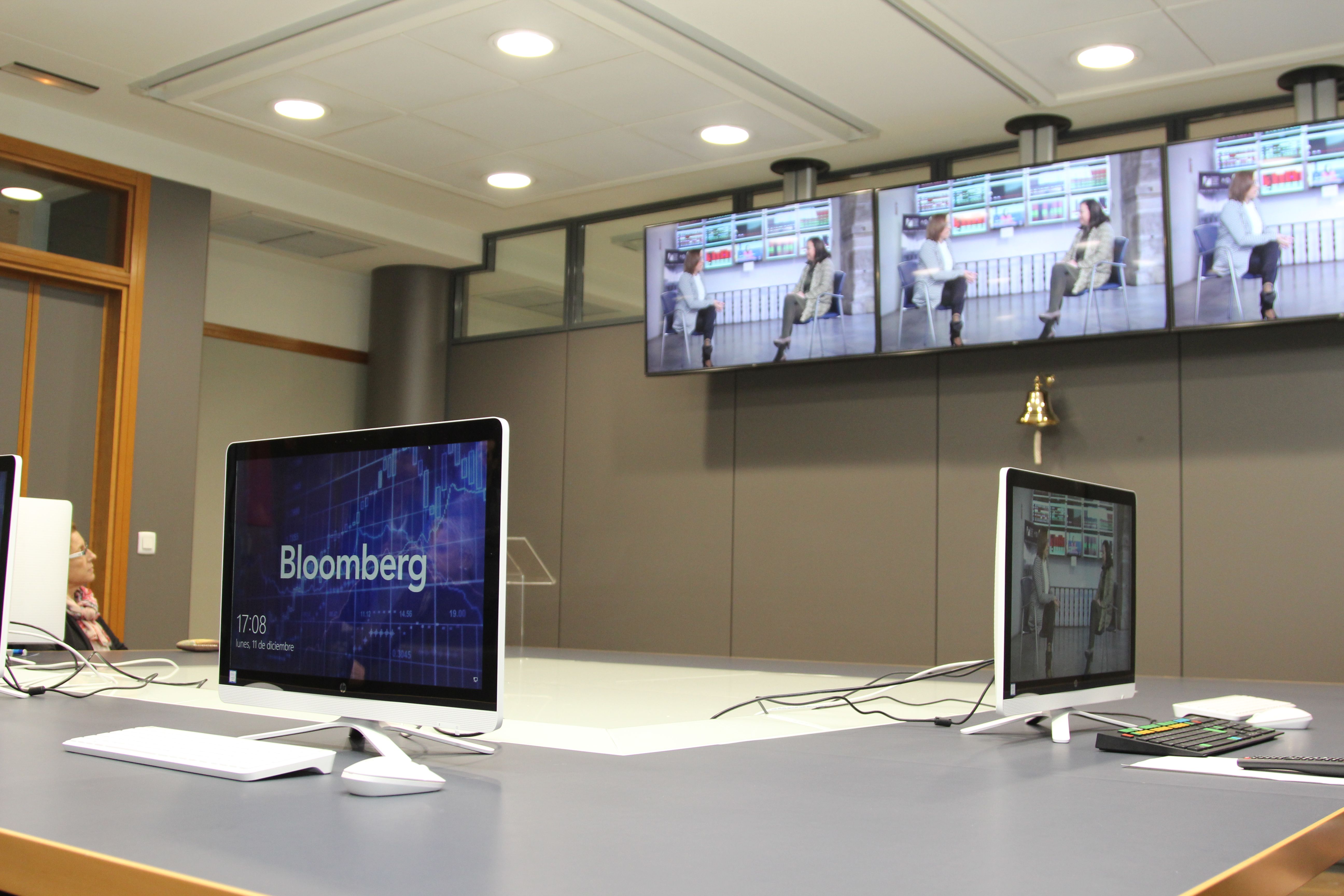
Students at University CEU Cardenal Herrera now have a Stock Exchange room, the Bloomberg Room, to reinforce their knowledge in finance. This is a pioneering initiative in the Region of Valencia that will allow students to know and analyze in real time – and without moving from the university – the reactions of the financial markets: stock market indexes, movements of assets, currencies, state bonds, statistics and news and information for business analysis.
Access to this global financial and stock information system, the same one used by analysts and financial market professionals, will facilitate the integration of theory with practice and will bring CEU students closer to financial reality.
Although it is intended primarily for students of the degrees of Business Management and Marketing and those of the Master’s Degree in Financial Management that this university teaches in collaboration with the Foundation for Stock Market and Financial Studies, this important platform of economic and financial information is also open to the rest of the students of the university community.
The inauguration of the Bloomberg Room has had the participation of the Rector of University CEU Cardenal Herrera, Rosa Visiedo, and Isabel Giménez, CEO of the Foundation for Stock Market and Financial Studies (FEBF), who have completed their interventions touching the bell as a symbol of the beginning of the activity of the room.
«This initiative is part of the CEU’s commitment to teaching innovation and the generation of spaces that provide our students with a university experience beyond the classroom», underlined the Rector of the CEU.
Rosa Visiedo, who highlighted the close collaboration that the university has been maintaining with the FEBF in terms of financial training, has also highlighted that the Bloomberg Room, which it has qualified as «a simulation space for an almost real work environment», will allow Students learn to make decisions in the financial field.
On the other hand, Isabel Giménez, has underlined «the tremendously innovative nature of this formative initiative».
«Nobody forgets that finance goes hand in hand with technology, and I think it’s a luxury that the students of CEU Cardenal Herrera University can manage these screens with their professors and in their Faculty, so that, when they leave, they will have, in addition to their degree, another in bloomberg technology«, added the general director of the Foundation.
University CEU Cardenal Herrera and the Foundation for Stock Market and Financial Studies have been collaborating for several years in terms of financial training through the University Master’s Degree in Financial Management, as well as in different courses and specialization seminars. This postgraduate course of the CEU and the FEBF, unique in the Region of Valencia, has just received the mark awarded by the National Securities Market Commission to be able to accredit the financial staff facing the entry into force of the MiFID II on January 1st.
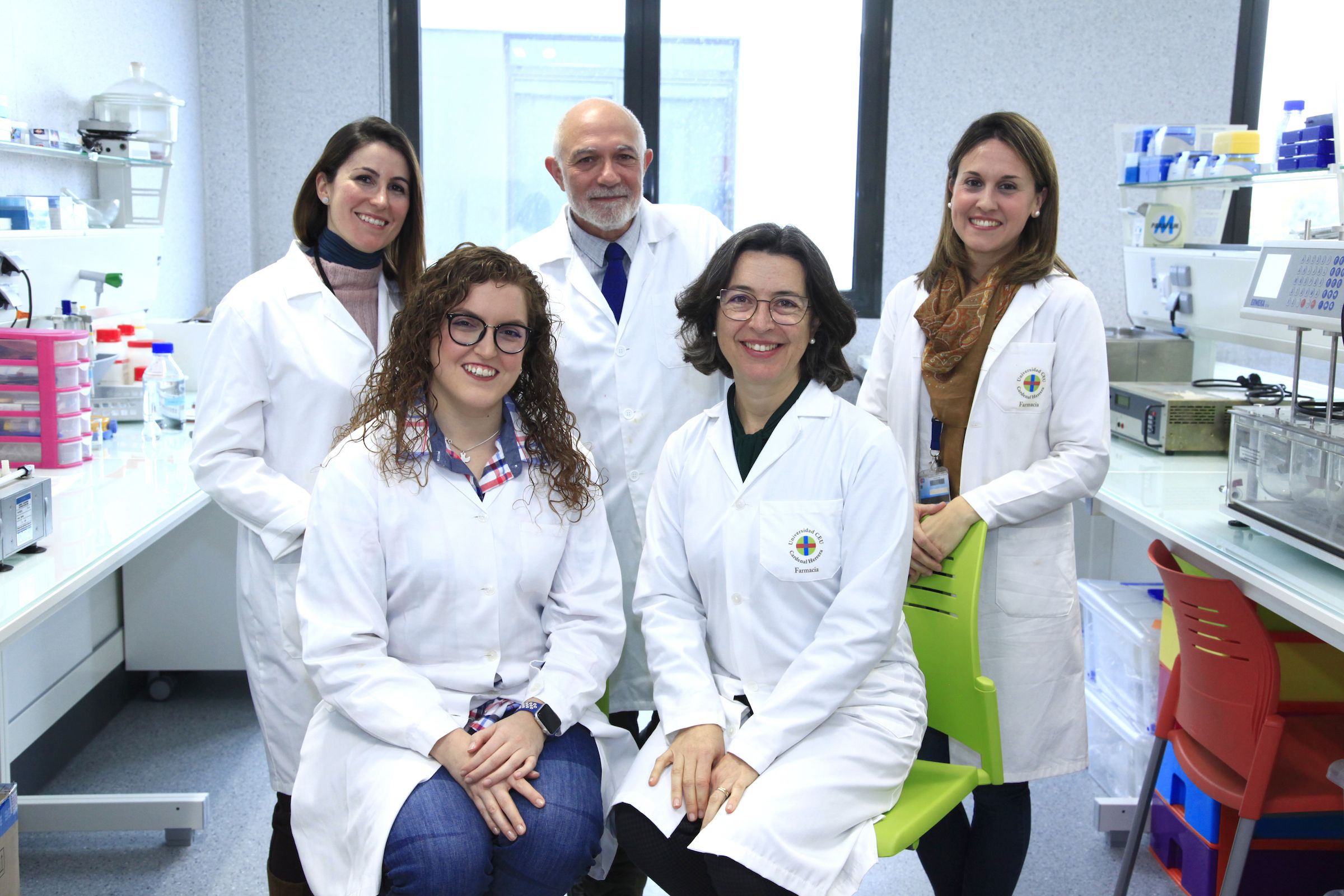
Los investigadores de la CEU UCH María Aracely Calatayud, Vicente Rodilla, Cristina Balaguer, María Sebastián y Alicia López, autores del diseño del nuevo inserto ocular soluble para la administración de antibióticos a través de la córnea.
Investigadores de la CEU UCH abren una nueva vía en el tratamiento de infecciones oculares, cuyos resultados se han publicado en la revista científica internacional de ámbito farmacéutico Drug Delivery and Translational Research
Los investigadores de la CEU UCH María Aracely Calatayud, Vicente Rodilla, Cristina Balaguer, María Sebastián y Alicia López, autores del diseño del nuevo inserto ocular soluble para la administración de antibióticos a través de la córnea.
La estructura anatómica y fisiológica de los ojos constituye, en sí misma, una barrera importante para la administración de fármacos. La cantidad de fármaco que atraviesa la córnea aplicando cremas o gotas es muy limitada y es necesario desarrollar otras fórmulas alternativas más eficaces de administración por vía ocular. Investigadores del Departamento de Farmacia de la Universidad CEU Cardenal Herrera han publicado en la revista internacional Drug Delivery and Translational Research el diseño de un nuevo inserto ocular bioadhesivo, que se coloca en el interior del párpado y logra liberar de forma controlada mayor cantidad de fármaco a través de la córnea, disolviéndose tras el tratamiento.
2018-03-03 Estadio de La Ceramica
La Liga Santander
Villarreal CF - Girona FC
Endavant
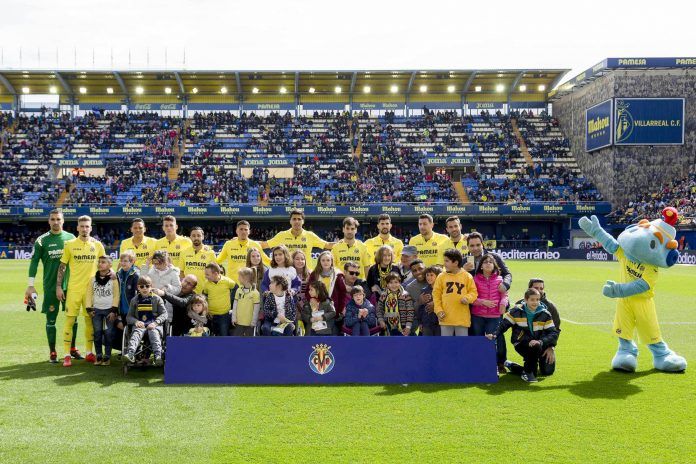
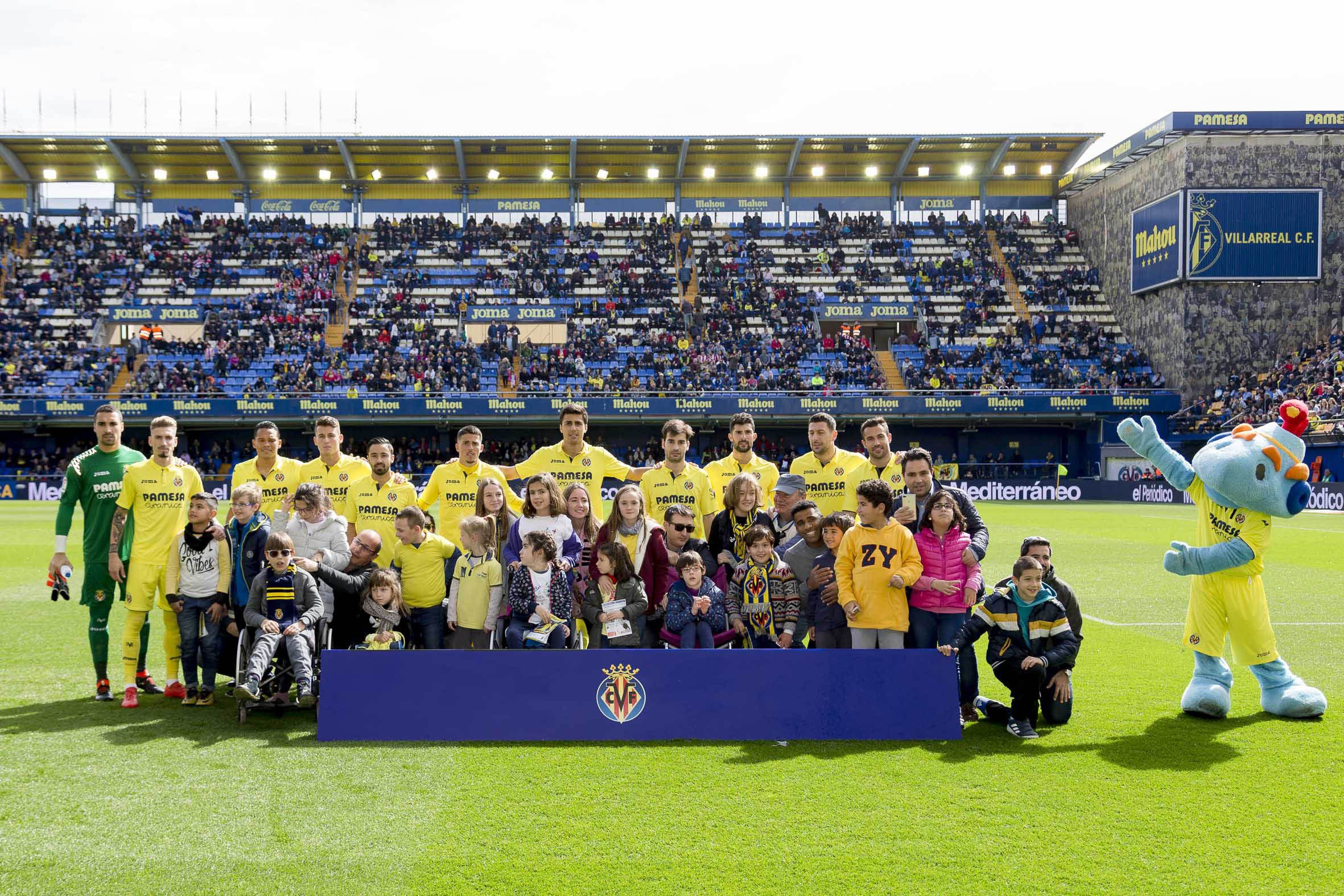
Los miembros y usuarios de la asociación benéfica se han fotografiado con el once inicial ante el Girona FC
El CEU y el Villarreal CF han vuelto a unir sus fuerzas para apoyar una causa solidaria. En esta ocasión, la de BalletVale+, un proyecto benéfico que apuesta por el ballet con el objetivo de mejorar la movilidad de niños con problemas motores y facilitar su integración social.A través de la iniciativa de Endavant Solidaritat, y para visibilizar su labor y objetivos, más de medio centenar de miembros y usuarios de la asociación han asistido al Estadio de la Cerámica este sábado con motivo del encuentro del club amarillo con el Girona FC para fotografiarse con el once inicial antes del encuentro.
Además de promover la visita de los usuarios de BalletVale al encuentro disputado el sábado, el CEU ha colaborado en otras ocasiones con este proyecto, organizando un seminario conjunto y apoyando, a través del préstamo de material y recursos, su documental «Siete Leguas«.
Balletvale+, salud e inclusión
El Proyecto Balletvale+ organiza grupos de ballet adaptado para niños con problemas motores. Entre sus alumnos se cuentan niños con Parálisis Cerebral Infantil (PCI) en diverso grado de afectación y otros con patologías similares como espina bífida o enfermedades consideradas poco frecuentes como la Aciduria 4 hidroxibutírica, que afecta a los neurotransmisores.
Balletvale+ hace hincapié en la importancia de la inclusión, en la unión en el aula por medio de la danza y en el escenario gracias a la cooperación entre ellos de niños de todo tipo, con y sin necesidades especiales. Además, en los niños se aprecian mejoras, basadas en evidencias científicas, respecto a su movilidad, como equilibrio, control postural o control motor selectivo del cuerpo.
María Kim Esplugues y Agustín García Valverde, fundadores de Totpoc, en la Escuela de Diseño de la CEU-UCH.
Industrial designers Agustín García Valverde and María Kim Esplugues, educated at CEU UCH, share their professional experience with the design students at CEU Valencia, who they now teach.
María Kim Esplugues y Agustín García Valverde, fundadores de Totpoc, en la Escuela de Diseño de la CEU-UCH.
Their rotational moulding machine made them known in the world of product design. Their «Piñata» lamp has sold out even as far as Finland. Industrial designers Agustín García Valverde and María Kim Esplugues, educated at CEU UCH, created their own studio Totpoc («De todo un poco» – ‘a little bit of everything’) in 2013 and now they have renamed it as AgusKim. Their rapid and intense experience from the classroom to the professional world has been the topic of their presentation to students of the Degree in Engineering of Industrial Design and Product Development at CEU UCH, to which they now contribute as teachers.
It was studying for a Masters in Product Design at CEU UCH when the idea of rotational moulding dawned on the founders of Totpoc: creating their own machine to manufacture products in an artisan way with this technique and experimenting with new materials became their challenge …until they succeeded. In order to form hollow plastic products using this rotational moulding process, a polymer in a liquid state is inserted into a mould and this, upon rotating in two axes perpendicular to each other, adheres to the surface of the mould, creating hollow and unique pieces. With a mould of polypropylene, a type of resistant plaster which is fast drying and composed of several pigments, they began self-producing the «Piñata» lamp, their emblematic design, from the Totpoc studio with their own rotational moulding machine.
«Piñata» is the product that they have sold with most success, in different finishes and sizes. With the attractiveness of an operational rotational moulding machine, Piñata’s first sales came about at the Design Market Matadero Madrid. And the number of orders increased to the point of selling out, even in Finland. But perhaps they sold even more than just the lamp itself: their experience of almost artisanal self-production with their own rotational moulding machine. That was what caught the attention of companies like Missana, which offered them the opportunity to design for them. The result of this collaboration was the «Mamut» armchair, another of its key designs.
A path full of challenges for the founders of Totpoc, who have shared memories of what was once their School with the current students : the memories of the workshop; the internships, in the case of Agustín, with Vicens+Ramos, in the case of María, with Borja García, and in both cases, with Odosdesign, with whom they continue to collaborate now as professionals; their first exhibition at Nude 2012 at Feria Habitat, with the designs developed during their Masters in classes with Enblanc; their return to Nude 2013 with their rotational moulding machine which was ready just in time… A whole career path in which the internships and the contact with professional studios during their degree were key. Today, Agustín García Valverde and María Kim Esplugues return to what was once their School as guest lecturers to share their successes and their experience in the same classrooms where they were educated to go so far.
The 48 students from Avans are conducting market research in preparation for the implementation of a Dutch product in the Spanish market. For a week they will test the feasibility of their marketing plan by conducting surveys at street level. And that’s where the support of the CEU Market Research students comes in.
It is an innovative training initiative, beneficial for the students of both universities; for those from Avans, because they have the support of Spanish students for field work, and for CEU Valencia students, because it goes beyond reinforcing their marketing knowledge through practice, in order to develop transferable skills, such as the ability to work in teams, and communication and leadership skills, not to mention the enrichment that comes from working together with students of other nationalities.
This collaborative project was set-up through the network Dukenet (to which both universities belong), which created the business simulation competition Marskstrat – a flagship competition, which was held in Bucharest this year and in which CEU Valencia students participated once again.
After the session of work, all students will attend a talk on international marketing taught by Avans University professors.
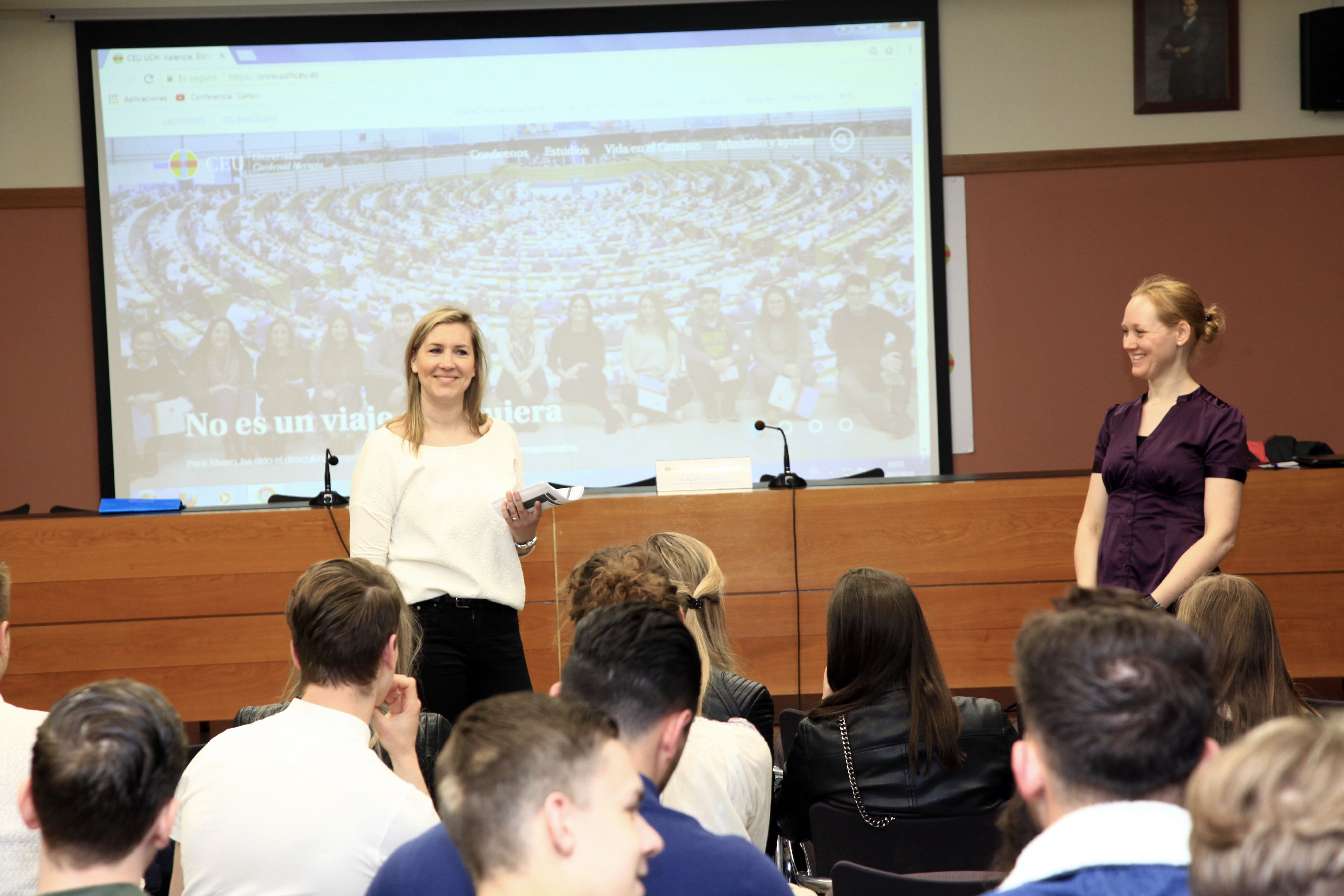
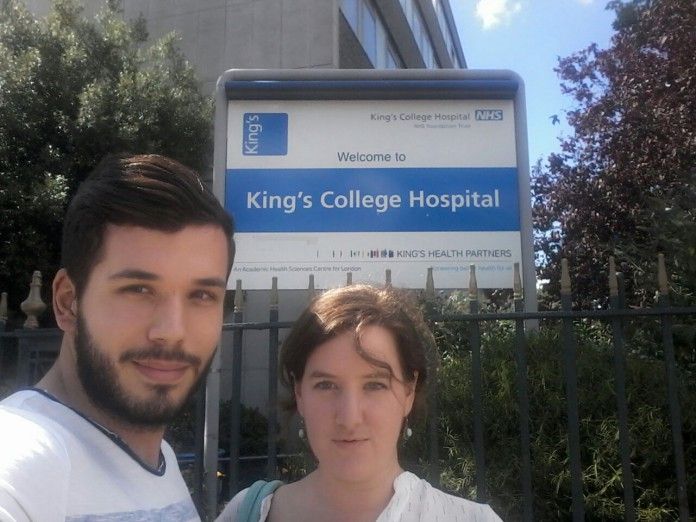
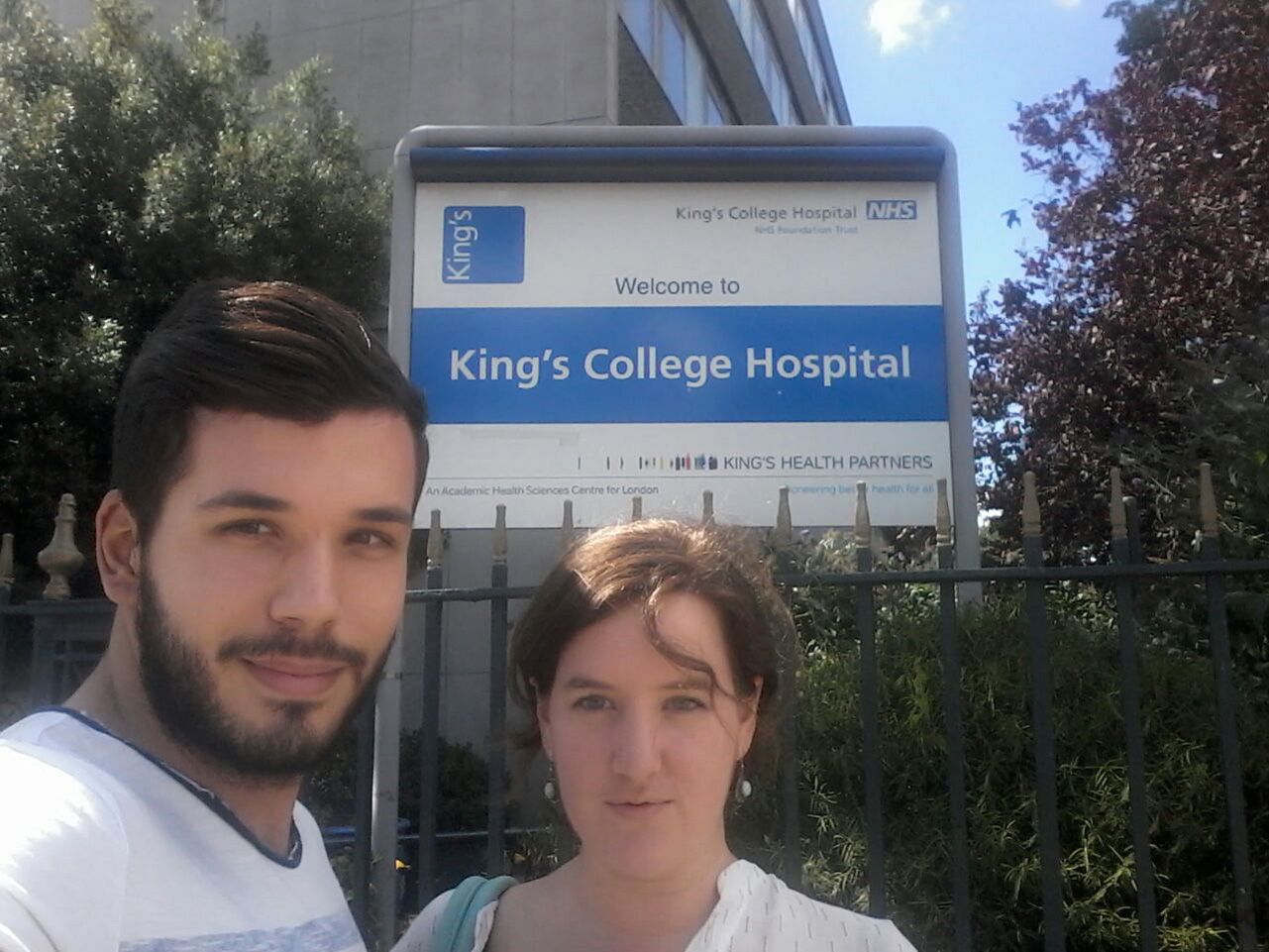
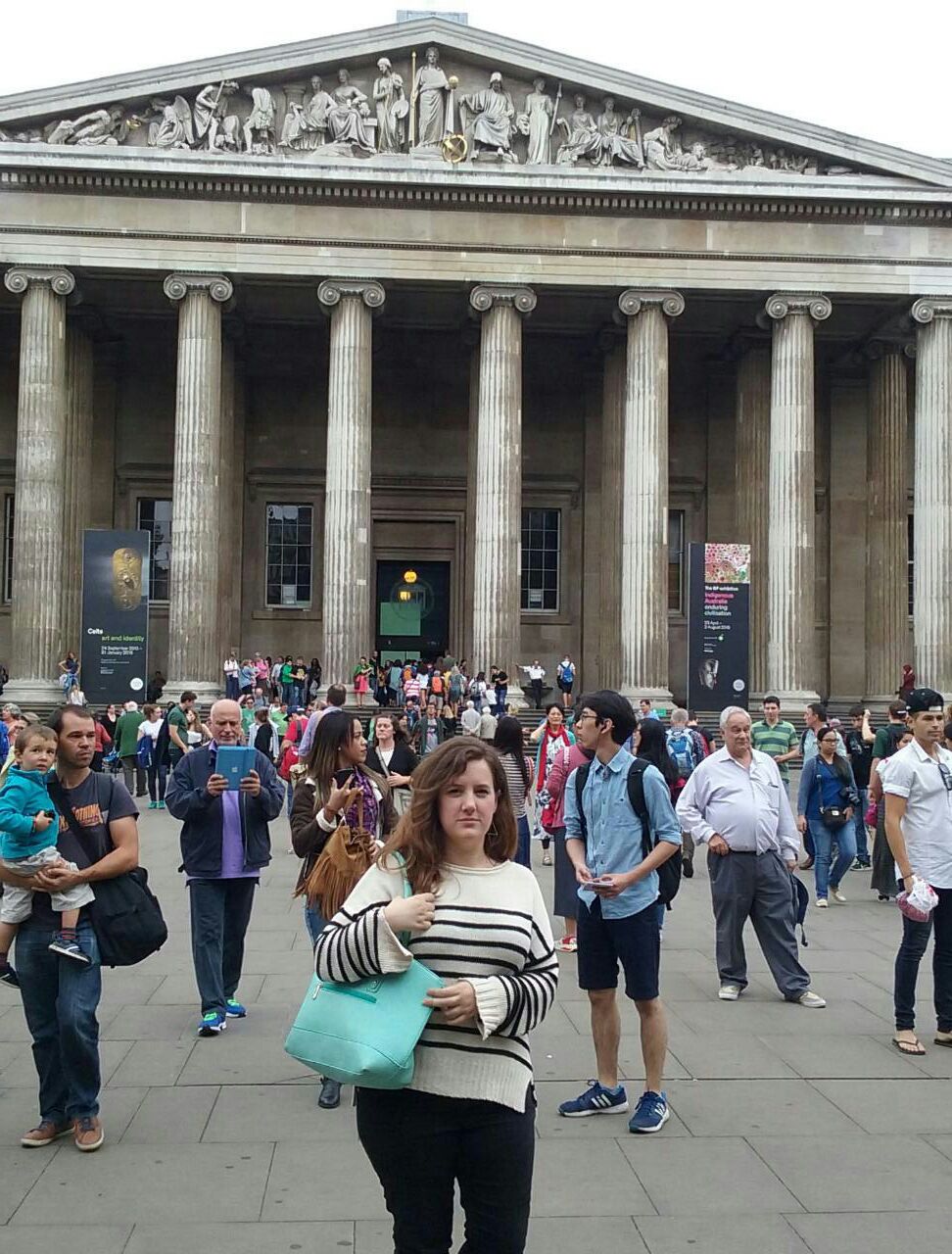
Manuel Domingo and Julia Carreras, students of Nursing atCEU Cardenal Herrera University in Castellón, are the first students of the University to benefit from the summer placement offered by King’s College London under the agreement signed between CEU Valencia and the hospital giant.
Julia is in the Lonsdale room for four weeks, specializing in the treatment of cystic fibrosis and other respiratory diseases. Her role consists of accompanying the nurses during the day, helping to check vital signs, the distribution of medication and attending to the patients with whatever they need.
The future nurse has already had the opportunity to see the differences between the Spanish and British healthcare systems.
«In Spain, students can perform more tasks and techniques, but here care is more closely aligned with the patients and they are treated in a more personalised way,» he explains. «In fact, Julia continues, the first week was a bit disconcerting.»
In addition to this unfamiliarity there is the complexity of the language, since, as the student explains, «although you can speak English, it is very different dealing with a group of different people all talking at the same time, each with a different accent and using vocabulary which you’re not used to.”
But in spite of these initial difficulties, the Nursing student at CEU UCH in Castellón very much appreciates her experiences. «Since I started the Degree in Nursing I have been aware that going to work abroad was a possibility, so I applied for this placement as soon as they told us about it at CEU Castellón,» she says. And continues:
«If in the future I decide to come and work in England, this experience will be very valuable to me, since I am being allowed to develop a level of technical English that I could not get in Spain, and it is giving me an initial impression of how the work is here.»
In addition, even if her future career does not take her to London, she is very clear that the placement has been an important learning process: «Knowing how people work in different places and learning from each other’s strengths and weaknesses will turn me into a better professional, therefore I am very happy that I have taken advantage of this experience,” she concludes.
As for Manuel Domingo, he is doing his placement at the Mary Ray Ward Unit, which cares for patients on their admission whilst it is decided which ward they should be sent to for the correct treatment.
The nursing student is also very satisfied with the training opportunity offered by King’s College London and CEU UCH. It is an opportunity that the student considers unique, both in terms of work, since it allows you to see first-hand how nursing works in the UK, as well as personally, «since it means being in an environment, with a language, habits and a way of being that is not yours, which makes you mature and teaches you a lesson in humbleness.» And the thing is, the student confesses, his first days were «horrendous», «because I did not understand anything and I felt tremendously alone,» he explains. A feeling that the student, who already has friends among the staff and patients, overcame in a short period of time.
Manuel, like Julia, is surprised about the role that nurses have in the UK; it is focused on meeting the needs of the patient. «Here the family member is not allowed to stay with the patient outside visiting hours, and if the patient feels alone and needs to talk, the nurses or the doctors themselves leave their jobs and stay with them,» he says.
Although Manuel’s does not expect to go to London as soon as he finishes his degree, he does not rule it out and, in any case, his message is clear:
«I recommend my peers try to benefit from this opportunity in order to gain different points of view on patient care, which together with what we learn during our degree and the placements, makes you a better nursing professional.»
Taller dirigido por LaurinLab, en Design Works 2018.
Outstanding professionals of the sector have led, during an intense week, different presentations and workshops on graphic and product design, in the Palace of Colomina-CEU
Taller dirigido por LaurinLab, en Design Works 2018.
The Technical School of University CEU Cardenal Herrera, together with design studios Odosdesign, LaurinLab and EstudioPG, have organized the 2018 edition of Design Works. Like in previous editions, the centre of Valencia has become a hub for creativity. This time, between the 5th and the 8th of February, a total of eleven design studios and professionals in the field have led presentations and workshops on the latest trends on product design at the Palacio de Colomina-CEU. All the sessions have had a common purpose this year: to generate disruptive ideas and translate them from a mere product design towards a new design of services, based on the creation of new user experiences.
Design Works 2018 opened this week with the participation of Jesús Gallent, manager of the User Experience Design Area of Sopra Steria, one of the leading consultancies in Europe in the field of digital transformation of companies. Gallent focused his workshop on the influence of the digital world and social networks in the field of product design and on the progress towards the design of digital user experiences in the field of services.
Innovation in graphic design
In the field of graphic design, participating in Design Works 2018 was estudioPG, by alumni and professor Pedro González, together with the teams of the graphic design studio Yinsen; of Pixelarte, specialized studio in editorial and web design, illustration, calligraphy, photography, writing and communication; and Estudio Modesto, by Modesto Granados, one of the big names in graphic design, a regular guest in the last editions of Design Works and also a professor of the Master’s Degree in Graphic Design and Communication at CEU Valencia.
Graphic designer Joan Quirós led another of the workshops of Design Works 2018, on the application of lettering in the field of packaging. Quirós, professor in the Master in Graphic Design of the ESET focused his session on the evolution of hand-drawn calligraphy into typographic design, lettering, and its application in product packaging.
Disruptive experiences and design
In the workshop led by LaurinLab in Design Works, participants were able to learn about the original work methodology of this innovative, design and strategy firm, formed by designers and engineers who combine their skills to develop new products and new disruptive experiences, arising from the application of new technologies, thus breaking the barriers between the physical and the digital world.
The lectures of Monte Calvo and Julia Ibáñez and the workshop of Julene Aguirre, on the bank Capital One, completed the Design Works program, which was closed by representatives of the creative space Col.lab of Las Naves and LaurinLab Studio, together with Aguirre herself , whose Studio Julene, located in London, is dedicated to the design of innovative strategies and products that motivate people towards a socially and environmentally sustainable lifestyle.
Although he studied Audiovisual Communication, he has carved out a successful career specifically in the advertising industry. For him, the most important thing is to be able to “tell a story”, moving beyond the format and the product itself.
He recommends that students work hard, create their own personal projects – and promote them – and move out of their familiar surroundings. And to try their hand at the entrepreneurial side of the business, at least once.
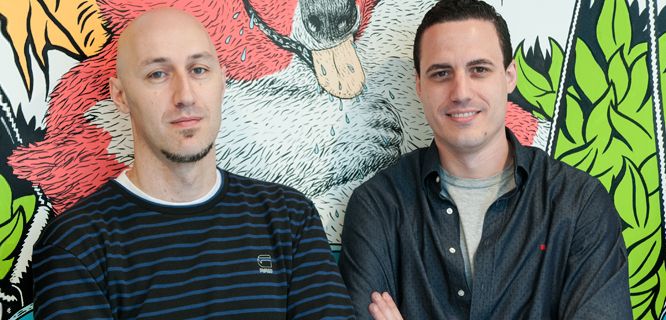
David Navarro is living the American Dream in New York. This CEU graduate is Executive Creative Director for Ueno, right in the middle of SoHo.
You’ve been Executive Creative Director at Ueno since July 2017. It’s still fresh for you. Tell us something about this agency.
Ueno is a digital agency. We work for clients such as Reuters, Facebook, Uber, Airbnb, Google, Lonely Planet and many others, creating digital products, strategy, branding and marketing.
It’s a young company, just four years old, with offices in four cities: San Francisco, the biggest office, New York, where I’m based, Los Angeles and Reykjavik, in Iceland. The team is diverse (more than twenty nationalities) but also compact, a little over fifty people (but growing rapidly) over the four offices. There’s a lot of talent and desire to become a leading agency in the interactive and design sector.
It must be a big challenge to work there.
It is. I joined the agency just eight months ago, feeling energized and enthusiastic about leading the creative side and shaping a young and gifted team at this office with my vision.
I’m very happy to have this challenge. It’s very rewarding to live in such a competitive environment as New York, which is also so rich with opportunities, and to be working at a company like Ueno, whose culture and client portfolio means that that you have to rise to this challenge and give it your best all the time.
‘IN Such a fertile city as NEW YORK YOUR OPPORTUNITIES FOR DEVELOPMENT MULTIPLY. IN THIS CONTEXT, A PERSON WITH TALENT IS BOUND TO SUCCEED.’
You’d worked in New York before, hadn’t you?
Yes, I’d always dreamed about having an “American adventure”. In the digital and design field, the USA is always at the forefront of what’s going on. Spain and Europe are great places to be, with a lot of great things, but I always thought that there was ever an opportunity to cross the pond and develop as a professional, I had to take it.
I’d already had an opportunity before I made this move, but, that’s right, two years ago, the conditions were just right for me to join one of the companies that I’d always been a big fan of, Stink Studios (formerly known as Stinkdigital).
And what’s it like living in the world’s capital?
Working in New York after working in Europe is a real experience. The city is full of activity and dynamism in a way that is both infectious and intimidating at the same time. As Europeans, we have a way of approaching life and work in a way that is bit more restrained. In New York, the pace doesn’t let up and it’s extremely competitive – and that takes some getting used to.
In my case, I wouldn’t say that my immersion in this place was easy. Stink is a demanding place and so in a way I had to force myself to adapt very quickly to be able to handle this culture that was different to what I was used to. Rather than being a professional challenge, it was a cultural one.
But the effort has been worth it. The city’s dynamism is contagious and pushes you along. It’s something I always say and it’s the biggest difference between Europe and Spain and the USA – the importance of the context. It’s not about the talent you have, but the context in which your talent develops. In such a fertile city as New York, with culture on every corner, hundreds of things to do, with people keeping up this fast pace, companies creating opportunities, the possibilities for your personal development multiply. In this context, people with talent are bound to succeed.
‘SPANISH PROFESSIONALS ARE MORE THAN QUALIFIED TO COMPETE EFFECTIVELY anywhere in the world, BUT WE HAVE TO OVERCOME A SERIES OF OBSTACLES WHICH DERIVE FROM OUR OWN FEARS.’
Your international experience began in Amsterdam, at Tribal DDB. How did the move from Valencia to the Netherlands happen?
I’ve always loved Valencia, and I always will. It’s my city, the one where I began my career alongside Miguel Simón and Víctor Sánchez, who I also graduated with at CEU, at the first digital agency in the city, called Pixelinglife. I had great times there and I learnt a lot about a medium which, in the late 90s and early 2000s, was still in its infancy.
That adventure ended in 2009, when I decided to go it alone with my own studio so that I could keep learning. But then in late 2010, I was contacted by Tribal DDB in Amsterdam, as they were looking for a design director. And so, without really knowing what I was doing (because I don’t think you should think too much about things like this), I decided to leave the Mediterranean, its warmth and comfortable habits behind me to head to cold, grey Amsterdam, together with my companion in life and all my adventures, Elena.
And it was just the change I needed. I have a lot to thank Amsterdam for: I grew a lot as a person there, it was where my son Saúl was born, and it was where my definitive professional development took place.
What did you learn there?
It’s where I discovered a lot of the limitations we place on ourselves in Spain: ‘my English isn’t good’, ‘people abroad are more competitive’ and ‘what if things don’t go well?’ All of these are silly fears: we’ve got the skills that are needed. And that’s something I have realized. Spanish professionals absolutely do have all the qualifications needed to compete effectively anywhere in the world, but we have to overcome a series of obstacles that derive from our own fears.
It was in Amsterdam that I realized the importance of the context that I was talking about earlier. The important thing is to have the right conditions to be able to do your job in the best way possible.
After Tribal DDB, you went to J. Walter Thompson. What was that like?
I did got there, but before that I worked as a freelancer for a year, working for different brands and agencies until late 2013. After that, I joined J. Walter Thompson as Head of Design / Digital Creative Director in order to bring some digital personality to a more classical advertising environment.
That was a great challenge: to build a team with a technological profile that could take the design and creativity of the agency to another level. That project enabled me to surround myself with some highly talented people, such as another CEU graduate, Agustín Soriano, and, after snapping up a few other people, we succeeded in positioning ourselves as a leading agency. Our biggest achievement came in 2016 with “The Next Rembrandt”, which received more than 80 awards at creative festivals, including fifteen Lions and two Grand Prix at Cannes, and I’m proud to have formed part of that.
‘IT’S VERY IMPORTANT TO HAVE PROJECTS OF YOUR OWN. THEY ENABLE YOU TO BUILD YOUR PERSONAL BRAND. THAT’S REALLY IMPORTANT FOR YOUR PROFESSIONAL DEVELOPMENT. THEY GIVE YOU STRENGTH AS THEY KEEP BRINGING YOU OUT OF YOUR COMFORT ZONE.’
Satisfy our curiosity. Which country is the best to live in?
Of the three countries I’ve been lucky enough to live in, I’d have to say Holland. In Spain, there’s great quality of life, great weather, a great mentality and it’s really healthy place, so, if you can find a niche for your professional development, it’s unbeatable.
But I place great value on diversity and on being open to other cultures and other ways of doing things.
And so, although New York is magical, the balance that you find in Amsterdam, the terrible weather aside, in the professional side of things, in work-life balance, the magic, the culture, the creative context – well, you feed off all that and it makes you better as a person and as a professional.
‘one of life’s lessons is realizing who you really want to be. In my case, I SAW THAT iT WASN’T SO MUCH ABOUT GETTING into cinema, but ABOUT USING my creative ability to tell stories.’
Over 19 years you’ve used your creativity in a lot of different areas: digital design, art direction, illustration, etc. Which do you prefer?
Since childhood, I’d always dreamt of emulating Steven Spielberg, and so I’d borrow cameras from friends and shoot loads of short films and animations that I’d be a bit embarrassed to see now. But that showed me the way: I wanted to learn how to make films. And that’s how I ended up studying Audiovisual Communication at CEU.
And this is where I learnt one of life’s lessons, about realizing who you really want to be. In my case, I saw that it wasn’t so much about getting into cinema but about using my creative ability to tell stories. Those stories could be in the form of a film, but could also be told through design, through illustration or through an interactive experience.
It’s not so much about the objective you’re chasing, but about how you get there and enjoying learning new things on the way.
So, setting up my own interactive design business straight after graduation in 1998, when the Internet was still a new concept for most people, when I only had a rudimentary idea about programming and the key concepts in design – well, that was a declaration of my principles.
And it is in that environment that you realize that you can do the same thing as if you were in charge of the latest Hollywood blockbuster. And now, almost 20 years later, I can see that I still use the same principles. It doesn’t matter if I’m designing a website, a digital product, an interactive experience, an illustration, an animated film or I’m simply in a branding or strategy session with a client – for me it’s like directing a film or telling a story. So, I’m not so interested in the discipline, but in the process.
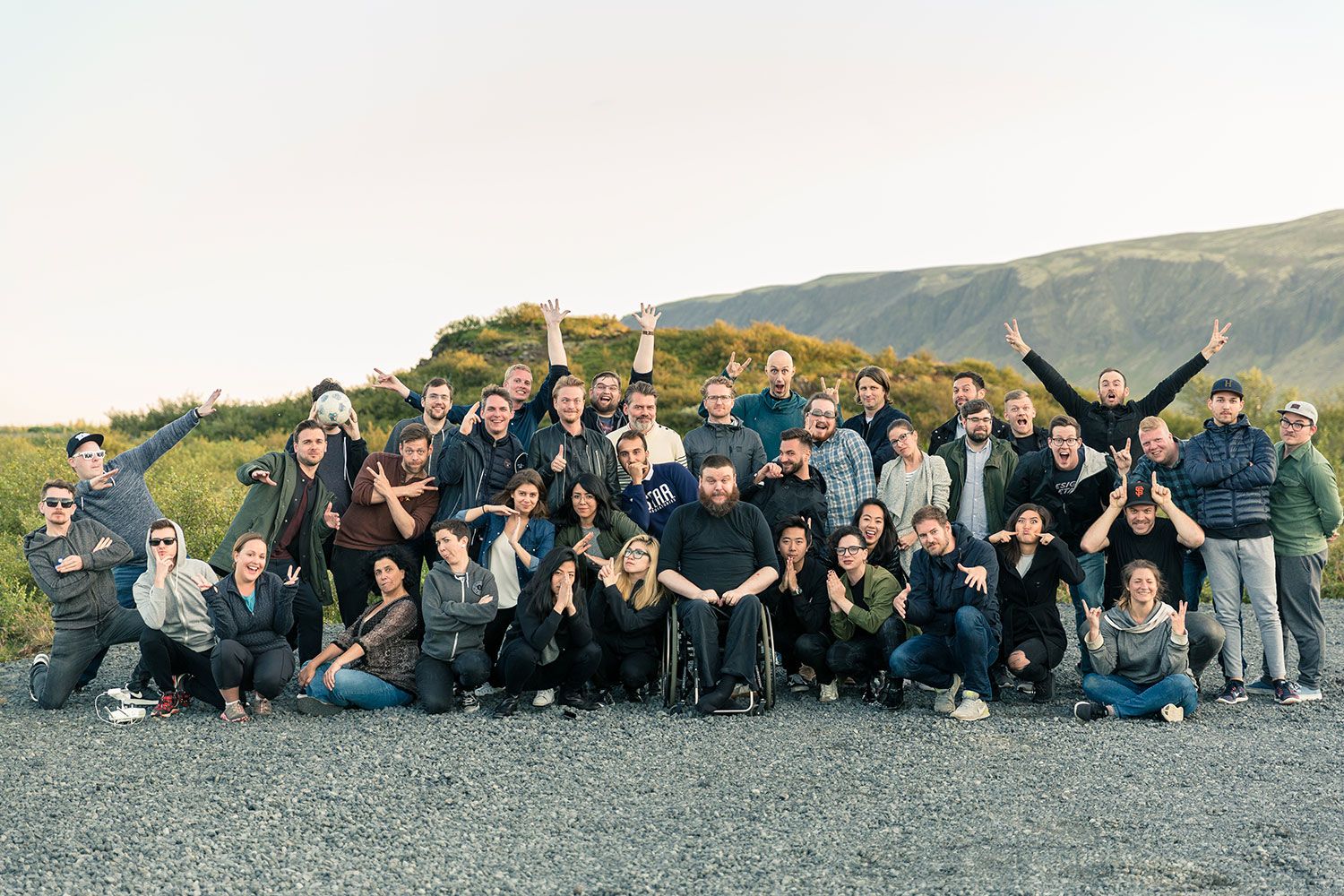
With his Ueno colleagues in Iceland
As you’ve just mentioned, you set up your own interactive design company and now you’ve also got your own projects which are separate from your role at Ueno. How important is it to have your own projects?
For a person who’s involved in creative work, only doing things directly related to your job is really limiting. There are always new things to do and learn.
I think you need to have projects like this. They can help you to learn new things (3D, photography, illustration) or to improve the skills you already have. In my case, I’ve done side-projects on illustration and design, I’ve written stuff, and given classes and talks.
‘SETTING UP YOUR OWN BUSINESS IS ONE OF THE MOST REWARDING and toughest THINGS YOU CAN DO. And we should all do it, in some way.’
It’s very important to do have projects of your own. They enable you to build your personal brand. That’s really important for your professional development. They also give you strength, as they keep bringing you out of your comfort zone. At the same time it’s satisfying to see a personal project, like my Flatguitars illustration project – which started out as an experiment in mixing one of my passions, music and guitars, with something that I wanted to learn and to improve my technique in making simple illustrations – receive recognition at a range of festivals and in different publications. It’s also rewarding to overcome your fears and be able to give a talk in English before 1500 people.
What value do you place on being entrepreneurial?
Setting up your own business project, whether on your own or with others, is one the most rewarding and toughest things you can do. And we should all do it, in some way: it could be a small side-project like writing a book, or designing the kit for a basketball team, or setting up a design studio with friends. It doesn’t matter what it is. What matters is that you give your creative self that stimulation that it always needs.
The list of brands you’ve worked with is very impressive: ING, Spotify, Samsung, Calvin Klein, Google, Heineken, Philips, BMW, Adidas, Facebook…
One of the things I’ve realized while working for leading brands is that, in the end, we’re all the same. They do have that aura of popularity around them and that perception does condition the way we act. But we all have the same problems and challenges.
In the end, it’s not so much about the brands you’re working with, but how you approach your work.
Every project is an opportunity and that opportunity comes if you’re designing the way in which we will consume news in the future, as we’re doing for Reuters right now, or if you’re designing the corporate identity of a small start-up. In the end, it’s our responsibility to make those projects memorable.
‘i’VE USED MY CEU EDUCATION NOT SO MUCH FOR A PARTICULAR ROLE, BUT RATHER IT’S GIVEN ME A SET OF SKILLS THAT I COULD THEN USE IN A THOUSAND DIFFERENT WAYS.’
And that’s something that I’m trying to instil at the agency. It’s true that, when you get an opportunity to work with a well-known brand, your first reaction is more positive than it would be otherwise. But there’s a way of thinking about that I’ve always tried to apply to my own work and that I want my team to buy into: there are no boring projects – it’s our responsibility to find the real challenge and turn it into an exciting opportunity.
Personally, my favourite clients are those who are as passionate as you are in the development of the project, trusting you to come up with something unique. It doesn’t make any difference what the brand is.
With another CEU graduate, Agustín Soriano, in a press release from JWT Amsterdam.
With another CEU graduate, Agustín Soriano, in a press release from JWT Amsterdam
It’s been almost twenty years since you graduated at CEU. What do you most value about your time at the University?
I’ll always look back on my time at CEU with a smile. I met some great people, both lecturers and classmates. As I said before, some of them have been in the trenches with me for more than 10 years as business associates. I still have regular contact with many of them and we remain real friends.
I’m tremendously proud of the kind of people that my lecturers and classmates were and are. I admire their infectious desire to get out there and do things. I’m grateful to the staff and the institution for encouraging all that energy.
I look back with a lot of affection on the placements we did, when we were trying to see what our future careers might be like. I really enjoyed making short films and learning to tell stories, an experience which I’ve ended up using in many different ways during my career in design and advertising.
I’ve used my CEU education not so much for a particular role, but rather it’s given me a set of skills that I could then use in a thousand different ways. And in the end, that’s what it’s all about – things aren’t set in stone.
‘TODAY’S TECHNOLOGY CAN convey OUR CREATIONs easily to everyone, so if i were a student again, i’d focus my efforts on producing eye-catching personal projects.’
Let’s stay on the CEU theme. What advice would you give to current Advertising and Audiovisual Communication students about their future careers?
In the first place, I’d emphasize the obvious: hard work, an extreme sense of curiosity and no fear of making mistakes.
I’ll never tire of telling people that, if they have the opportunity (and if they don’t have one, to create it), they should spend time away from their familiar environment. It gives you new perspectives and it improves you in every way.
And we need to understand the context we’re in. In the world we live in now, with technology that can convey our creations easily to everyone, then, if I were a student again, I’d focus my efforts on producing eye-catching personal projects. So, if film, video art or animation was my thing, I’d film a lot of experimental stuff and put it up on Vimeo to try to make a name for myself. If design was what I was into, then I’d try to put together real or personal projects and then use platforms like Behance or Dribbble to put my name on the map.
The hardest part is getting things started and achieving that initial visibility. I’m not a blind believer in social networks, but I can see the power they have to move our careers forward.
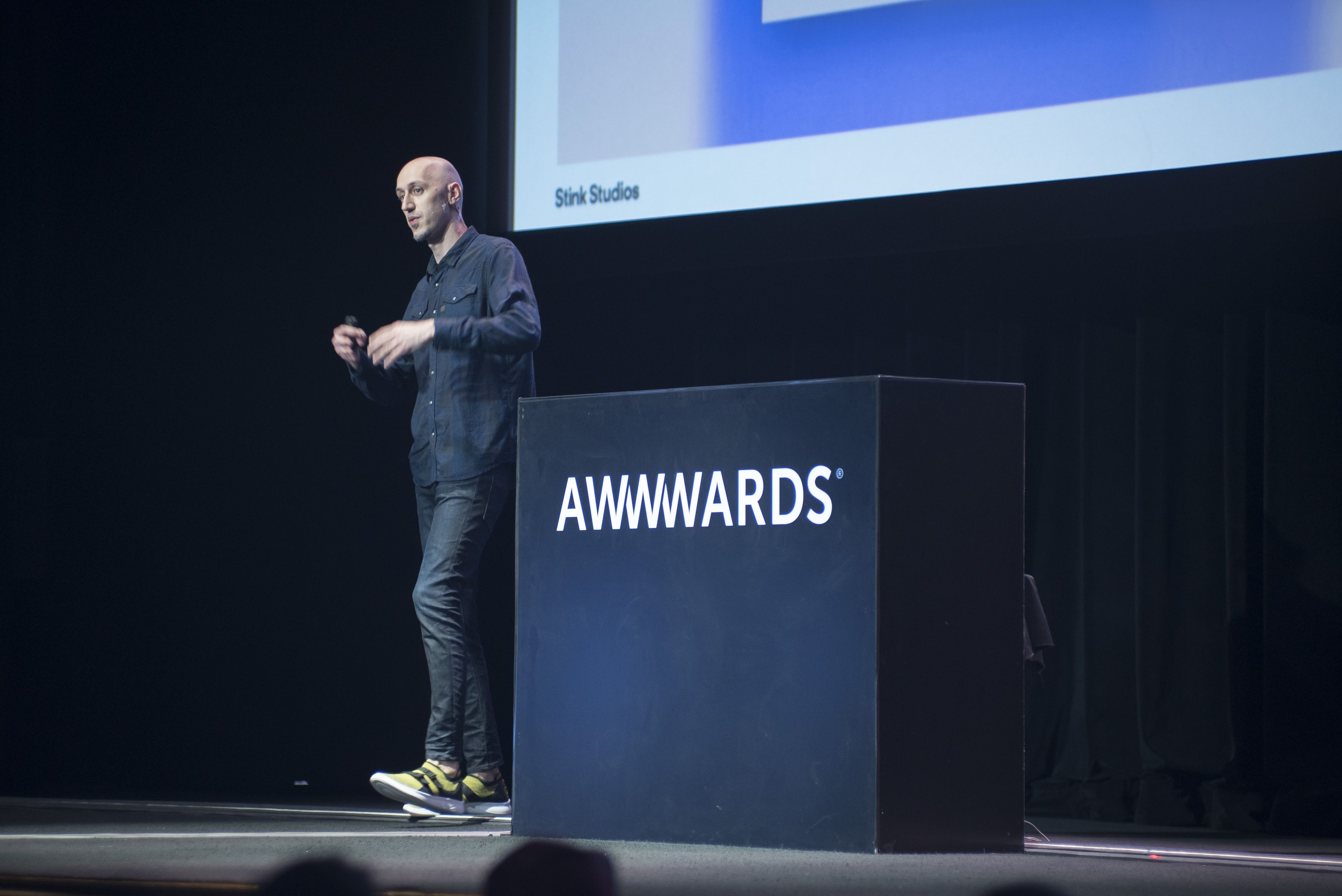
David Navarro giving a talk last year at the Awwwards Conference in Los Angeles
What about placements?
Of course. You have to keep an eye on those studios and agencies that you admire and then check when placements come available there. That usually happens in the summer and winter. To be selected, you need a good portfolio, with interesting work that shows ideas and technique. And that comes from that curiosity and hard work that I mentioned at the beginning.
The options are endless, such as The Kennedys at W+K in Amsterdam, Droga5 in New York, and there are even placements available where I work at Ueno… Is it easy to get in? No, quite the opposite, it’s very difficult, but real talent always finds a way. It’s now, when you’re at university, that you have to start to take steps towards a successful career, even if seems a long way off.
‘IT’S TREMENDOUSLY DIFFICULT TO PREDICT WHAT WILL HAPPEN IN JUST A FEW YEARS. what i am sure of is that creatvity and ideas will always lead the way.’
Where do you want to take your career next? Where do you see yourself in ten years?
At this point in my career, I’m still enthusiastic about my work and I want to enjoy it. I love my profession and, although it’s not always a bed of roses, it is rewarding in the end.
But it makes me a bit dizzy to imagine where I’ll be in ten years. I don’t know if I see myself doing the same thing I’m doing now, but I’m sure I’ll be doing something creative, maybe my own project, regarding design or something else, or maybe working in a studio or agency.
I see myself as a bit like an aging rock star, who’s still got it and can keep performing on stage. I would also really like to be able to share what I’ve learnt over the years with others through talks and teaching. I do that already sometimes, but I’d like to do more. Why not at CEU? (laughs)
Anyway, there’s still a lot to learn, share and enjoy. I’m still raring to go.
Any thoughts on what advertising is going to be like in the future?
Ten years ago, we were only just starting to use smartphones and social networks were becoming more important, but there wasn’t so much noise about them. There was a distinction between offline and online, there was no cloud computing, we didn’t talk about smart things, we didn’t think about the innovations to come in virtual reality, self-driving cars, cashier-free supermarkets, drones delivering packages, or data guiding our decisions.
Given all that, how can we know what advertising in the future will be like? It’s tremendously difficult to predict what will happen in just a few years. What I am sure of is that creativity and ideas will always lead the way and the context will decide what the best channel for those ideas will be, whether that’s through film or a complex symbiosis with technology.
Right now, I’m fascinated by the world of alternative realities, in the form of virtual reality technology, which will really show itself in the field of videogames and experiences, and also augmented and blended reality, which will inevitably form part of our lives.
Right now, it’s hard to imagine the future without falling into utopian or dystopian clichés from science fiction. So, I prefer to keep exploring and discovering what technology has to offer us.
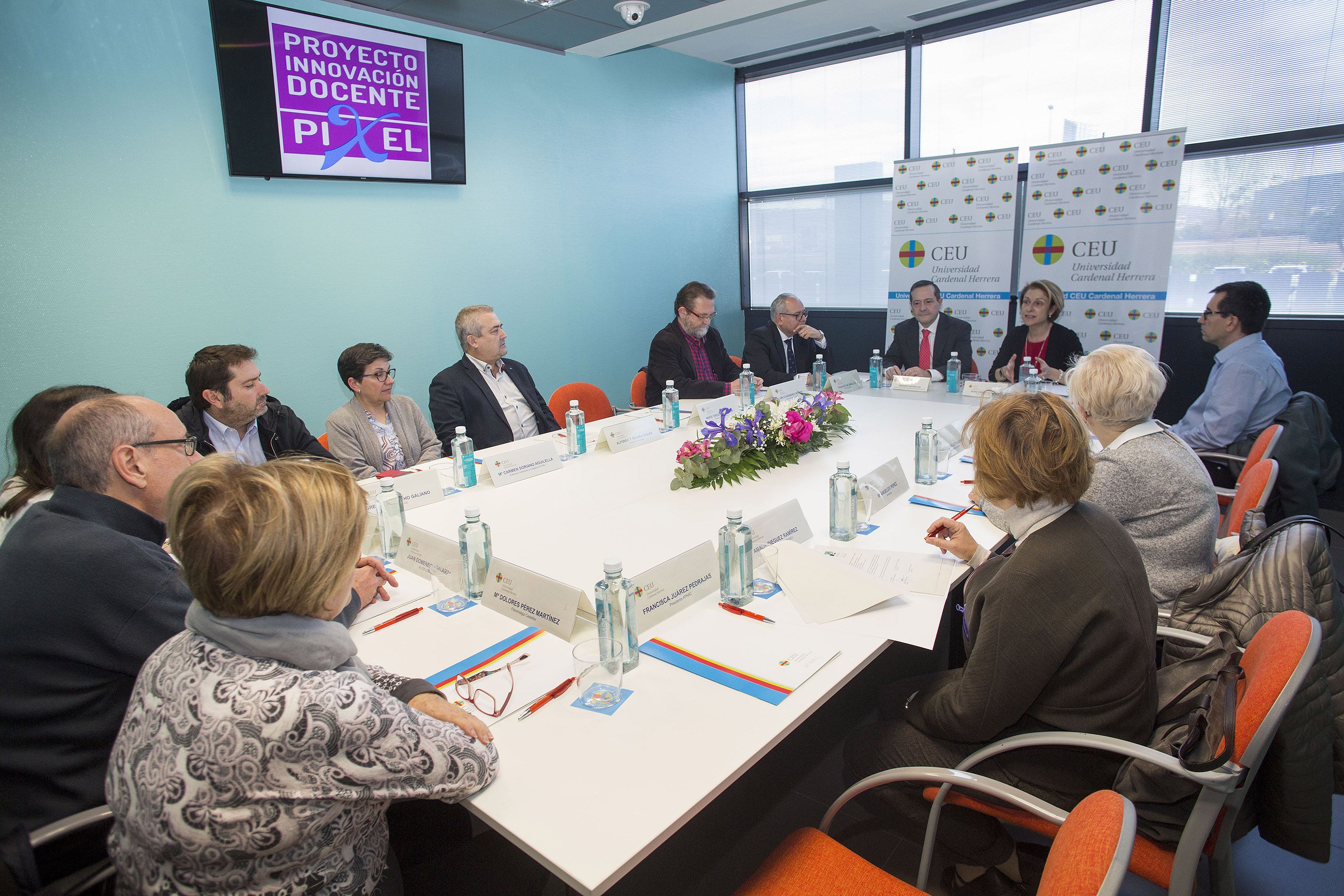
El nuevo paradigma de la asistencia sanitaria pone en el centro al paciente, no la enfermedad. Los alumnos del CEU lo están aprendiendo de la mano de las asociaciones de pacientes de Castellón a través del proyecto Píxel, una innovadora iniciativa formativa pionera en la provincia.
Enfermeros y médicos que velan por la salud integral del paciente, reconocibles por su calidad humana y preparados no solo para curar la enfermedad o disminuir sus síntomas, sino para atender y escuchar a la persona que la padece. Esos son los profesionales de la salud que está formando el CEU de Castellón, gracias, entre otros, al proyecto Píxel, cuyo objetivo es acercar a los futuros médicos y enfermeros a la realidad de las asociaciones de pacientes de la provincia.
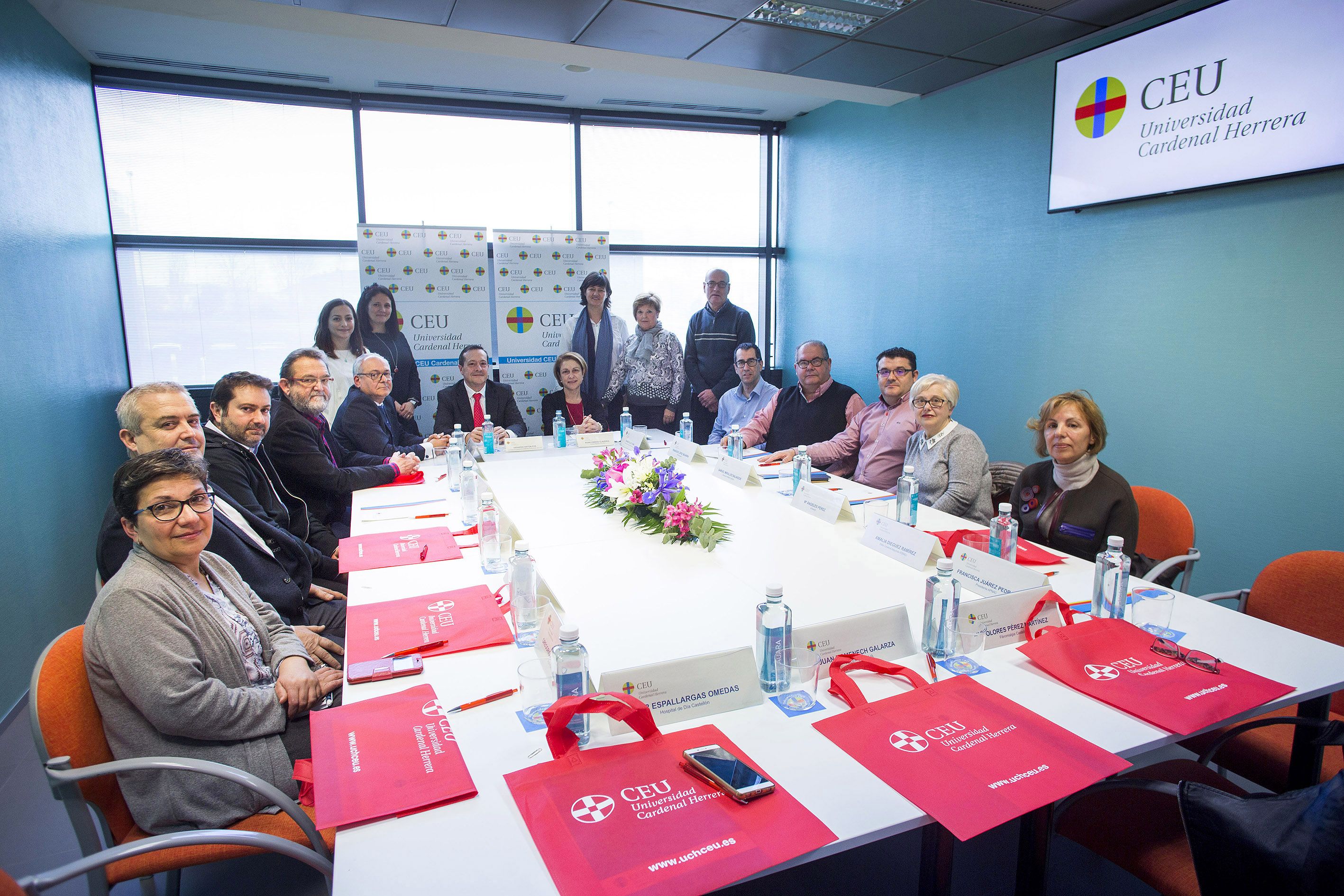
A esta innovadora iniciativa, pionera en Castellón, se han sumado ya una quincena de entidades, que acogerán en prácticas a estudiantes de Enfermería y Medicina del CEU. Los alumnos también implementarán programas de salud a medida para atender las necesidades planteadas por los pacientes y sus familiares. Ambas actividades se integrarán en el plan de estudios de Ciencias de la Salud, aunque el CEU también fomentará entre sus alumnos el voluntariado y la necesidad de investigar sobre problemas reales que demanden los usuarios de las asociaciones de pacientes.
A esta innovadora iniciativa, pionera en Castellón, se han sumado ya una quincena de entidades, que acogerán en prácticas a estudiantes de Enfermería y Medicina del CEU
Además, el CEU organizará una feria de salud con representantes y pacientes pertenecientes a estas asociaciones para que los futuros médicos y enfermeros escuchen las opiniones y necesidades de estas personas, e incluso experimenten, mediante consultas simuladas, cómo se sienten cuando son atendidos sanitariamente.
Píxel: el paciente como protagonista
El objetivo de este innovador proyecto se basa en el nuevo paradigma de la asistencia sanitaria, centrado en el paciente y no solo en su enfermedad. «Si queremos conseguir una atención enfocada al paciente, debemos formar en este sentido a nuestros futuros profesionales de la salud «, explica Paula Sánchez, vicedecana de Ciencias de la Salud de la Universidad CEU Cardenal Herrera.
Y añade: “En demasiadas ocasiones, los profesionales de la salud solo vemos un píxel cuando atendemos a una persona enferma (de ahí el nombre de la iniciativa), cuando la realidad es que estamos formados por muchos de ellos y, cuantos más píxeles tengamos o mayor resolución haya, más nítida será la imagen y, por lo tanto, mejor el trato al paciente”.
Masivo apoyo de las asociaciones de pacientes
La iniciativa del CEU ha obtenido una calurosa acogida por parte de las asociaciones de pacientes de la provincia de Castellón.
“Los pacientes ya hace tiempo que demandan que se les trate como personas y se les escuche atentamente. Y para los futuros profesionales sanitarios, Píxel supone una oportunidad de ser más eficaces, útiles y humanos”, asegura Teresa Marí, presidenta de la Asociación de Diabetes de Castellón.
«Si queremos conseguir una atención sanitaria enfocada al paciente, debemos formar en este sentido a nuestros futuros profesionales de la salud «
De modo similar se expresa el presidente de la Asociación Provincial de Familiares de Personas con la Enfermedad de Alzheimer (AFA-Castellón), Emilio Marmaneu, para quien “el contacto de los futuros profesionales con personas con Alzheimer les ayudará a humanizar su trabajo». Marmaneu, que apuesta por que Castellón se convierta en una referencia en la lucha contra el Alzheimer, cree que el convenio con el CEU va en esa dirección.
Francisco Gil, gerente de la Asociación de Familiares con Niños y Adultos Discapacitados (AFANIAS), considera que Píxel “puede aportar a nuestros usuarios nuevos estímulos que les ayuden a mejorar su calidad de vida; y a los estudiantes, conocimiento de la realidad cotidiana para desarrollar mejor su actividad profesional futura”.
“Además de dar experiencia y enriquecer la formación de los nuevos profesionales, Pixel va a permitir desarrollar una sensibilidad especial con los colectivos de riesgo, lo que revertirá en una mejor atención”, añade Ana Gil, gerente de la Asociación de Parálisis Cerebral ASPROPACE.
Junto a estas asociaciones se integran en Píxel: Asociación para la Lucha Contra las Enfermedades del Riñón Castalia, Asociación de Familiares con Niños y Adultos Discapacitados de La Vall d’Uixó, Parkinson Castellón, Hospital de Día Previ de Castellón, Asociación de Esclerosis Múltiple de Castellón, Ateneu (Asociación y fundación de daño cerebral adquirido), PATIM (Prevención y Tratamiento de Drogodependencias y otras Adicciones), Asociación de afectados, familiares y amigos de Fibromalgia de Castellón, Asociación de Padres de Personas con Autismo de Castellón, Asociación de la Comunidad Valenciana de Enfermos de Linfedema y Lipedema y Club Adaponda (deporte adaptado).
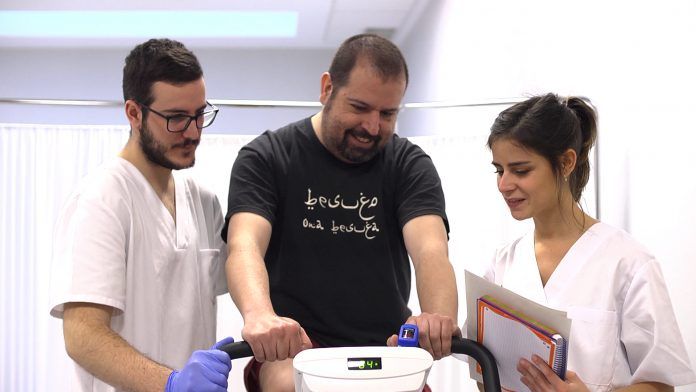
La Facultad de Ciencias de la Salud de la Universidad CEU Cardenal Herrera ha inaugurado un Servicio pionero en Fisioterapia respiratoria y cardiaca, para la evaluación y el tratamiento de este tipo de pacientes
“La fisioterapia respiratoria y cardiaca ha demostrado su beneficio en la mejoría de la disnea, la prevención de complicaciones y con ello la disminución de ingresos hospitalarios, entre otros. Todo esto se consigue mediante técnicas manuales e instrumentales que tienen como objetivo aumentar la capacidad ventilatoria, movilizar y drenar secreciones, aumentar la tolerancia al ejercicio y disminuir los factores de riesgo cardiovascular, entre otros”. De este modo, ha explicado los beneficios de la Fisioterapia para pacientes con EPOC (Enfermedad Pulmonar Obstructiva Crónica), el profesor Francisco José Ferrer, coordinador del nuevo Servicio de Fisioterapia Cardiorrespiratoria de la Universidad CEU Cardenal Herrera.