Más de 300 estudiantes trabajarán con casos reales en el proyecto Marketing Experience sobre la experiencia del cliente
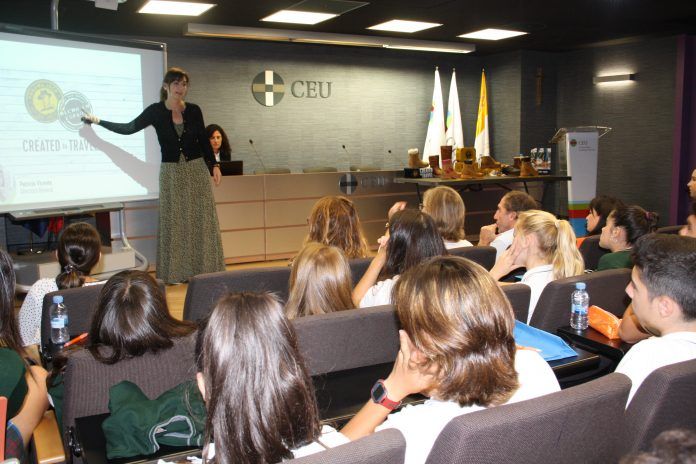
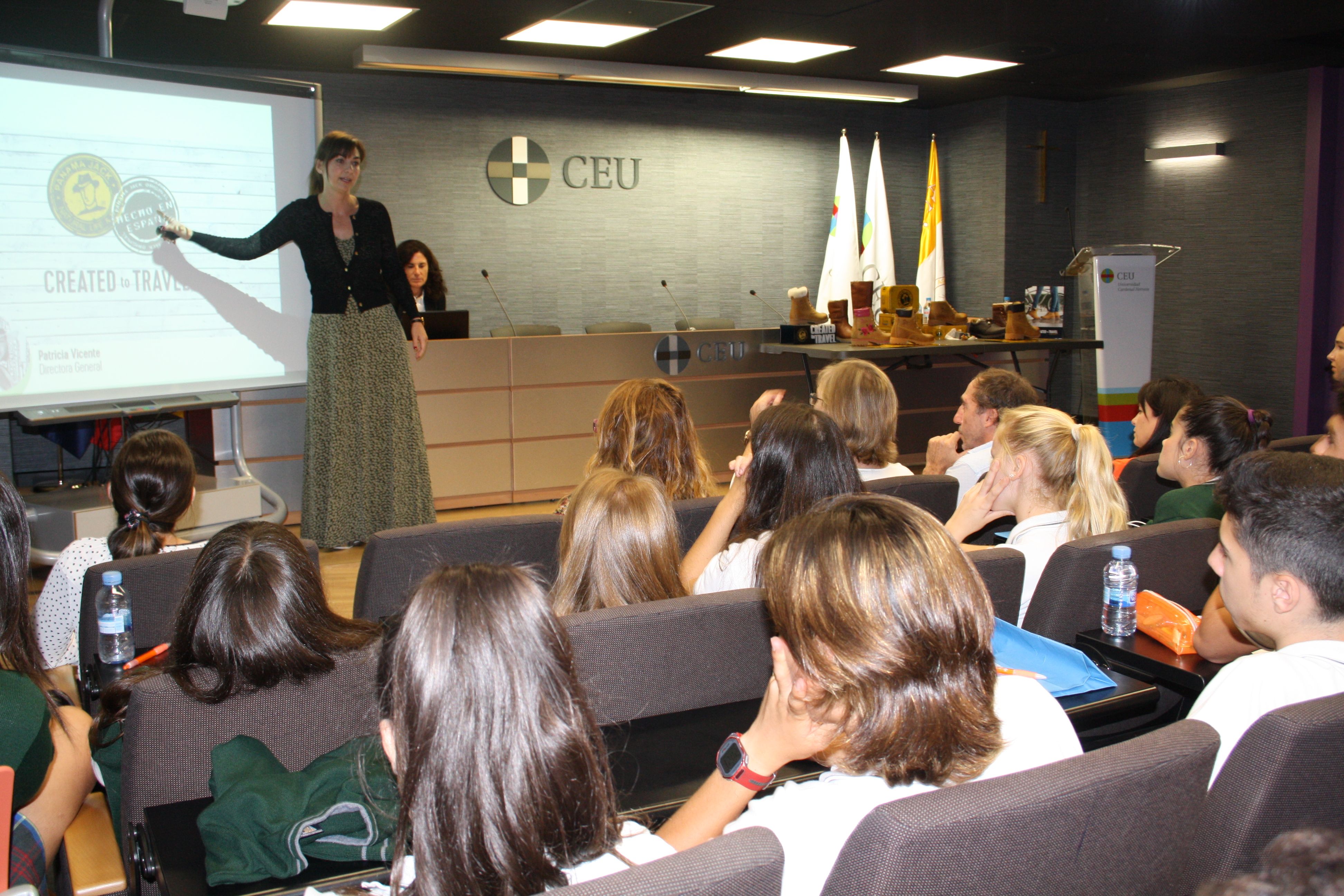
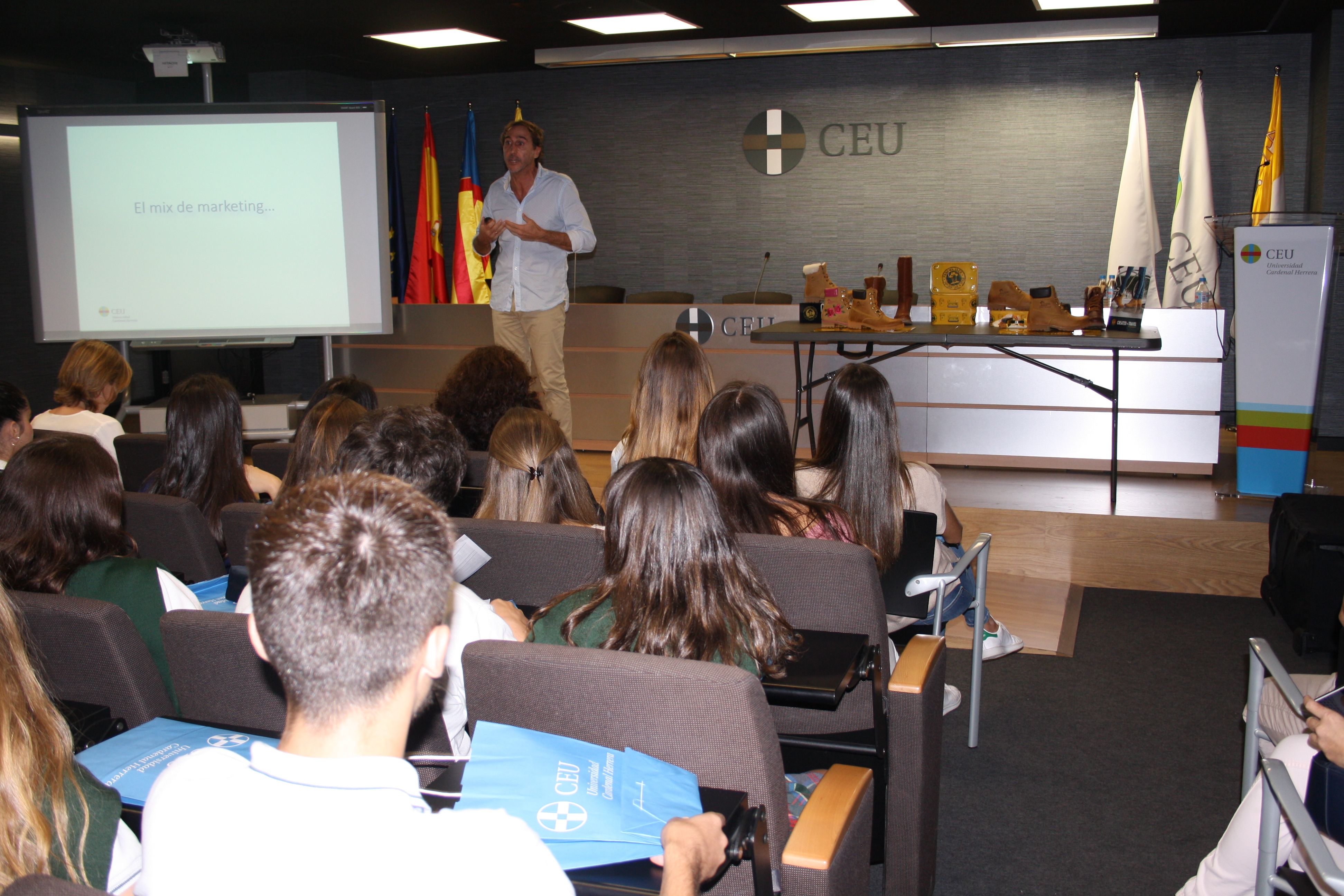
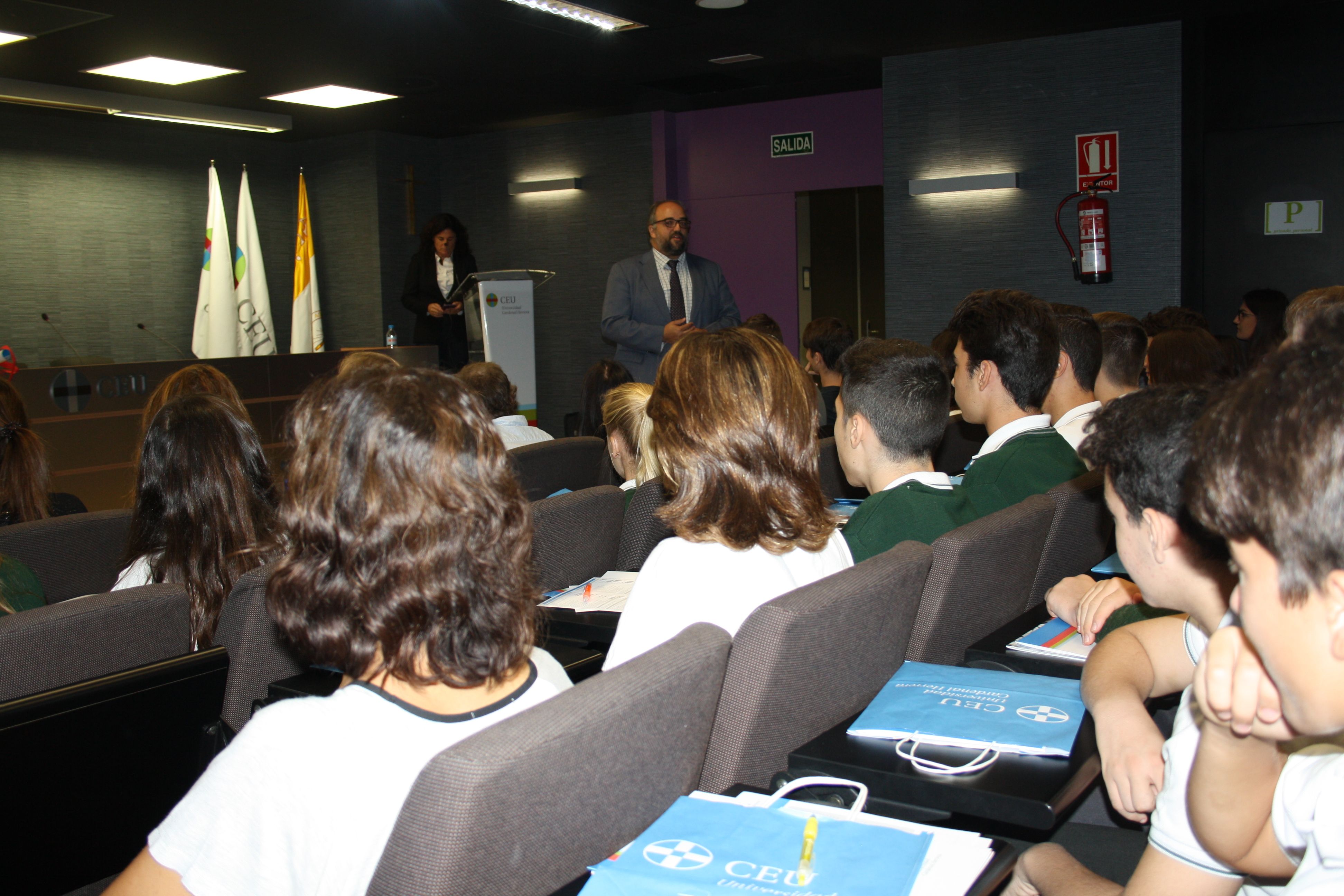
Más de 300 alumnos de nueve colegios de la provincia de Alicante tendrán la oportunidad de formarse en marketing y aprender todos los aspectos que hay que tener en cuenta a la hora de analizar y conocer la experiencia de un cliente dentro de la iniciativa Marketing Experience que han puesto en marcha la Universidad CEU Cardenal Herrera de Elche y la empresa Panama Jack.
Durante cinco meses, los estudiantes de los centros Colegio El Valle, el Colegio Santa María hijas de Jesús, Colegio Internacional Lope de Vega, Colegio CEU Jesús María, La Devesa School, Colegio Sagrado Corazón HH Maristas, Liceo Francés de Alicante, Altozano y Laude Newton College, trabajarán, con la tutorización de alumnos y profesores de Marketing del CEU, en un proyecto en el que se integren los conceptos de cliente y producto para desarrollar una campaña para Panama Jack.
Previamente, los estudiantes de bachillerato recibirán formación específica por parte de profesores del grado de Marketing del CEU y por la directora general de Panama Jack, Patricia Vicente, respecto a búsqueda y conocimientos de públicos estratégicos, las 4 p’s del marketing y el advergaming, entendiendo el juego como soporte publicitario.
Una vez sentadas las bases, serán los propios centros educativos los que crearán diferentes equipos en sus escuelas con el objetivo de que los alumnos realicen diferentes trabajos y elegir, entre los del mismo centro, un equipo y proyecto ganador, que saldrá elegido en un duelo final a mediados de marzo de 2018, con la presentación de todos los proyectos.
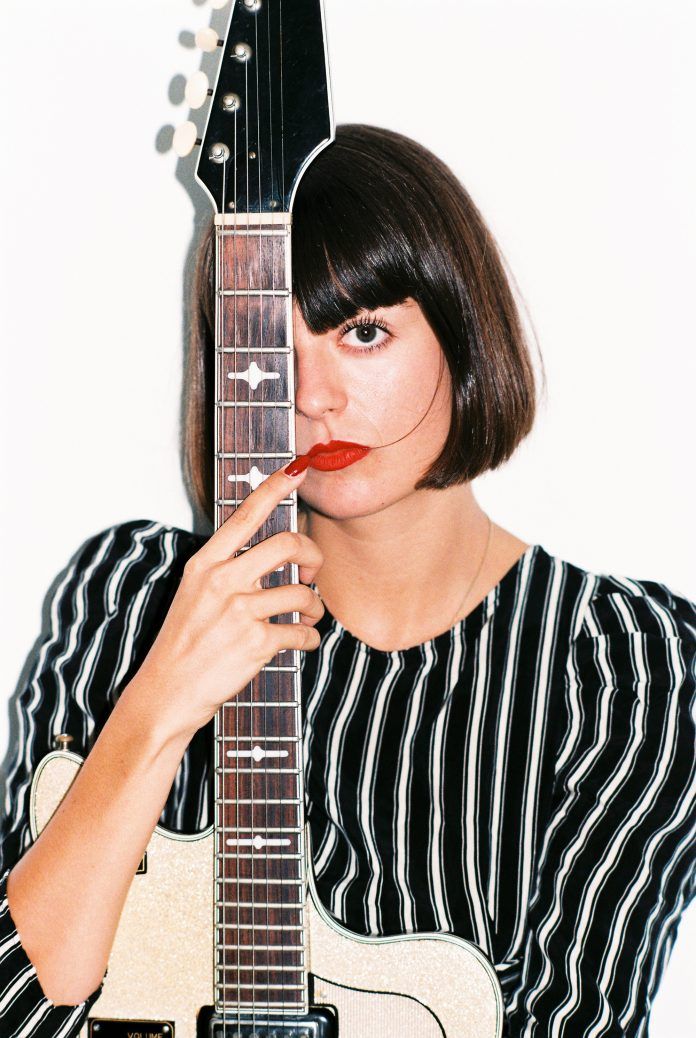
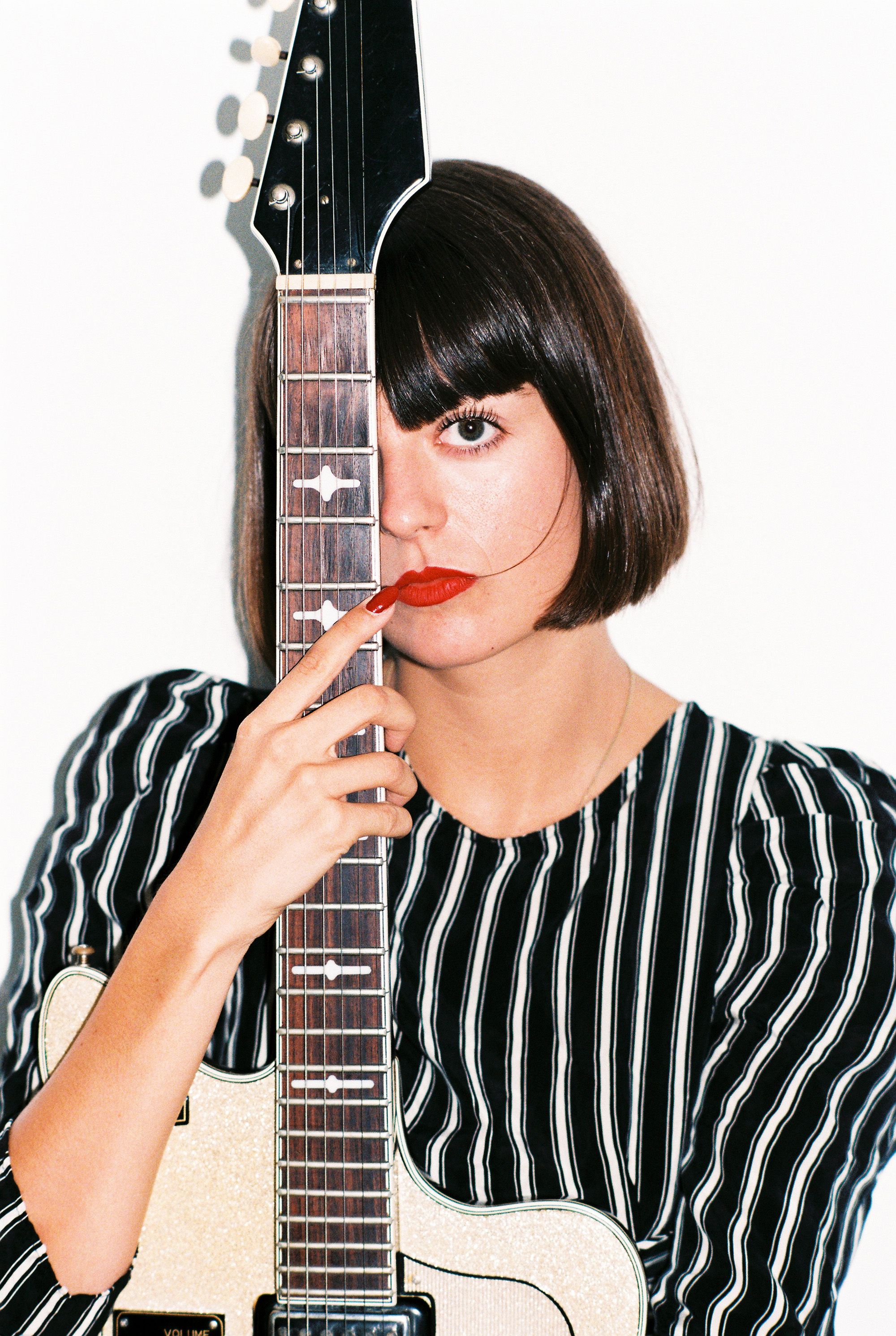
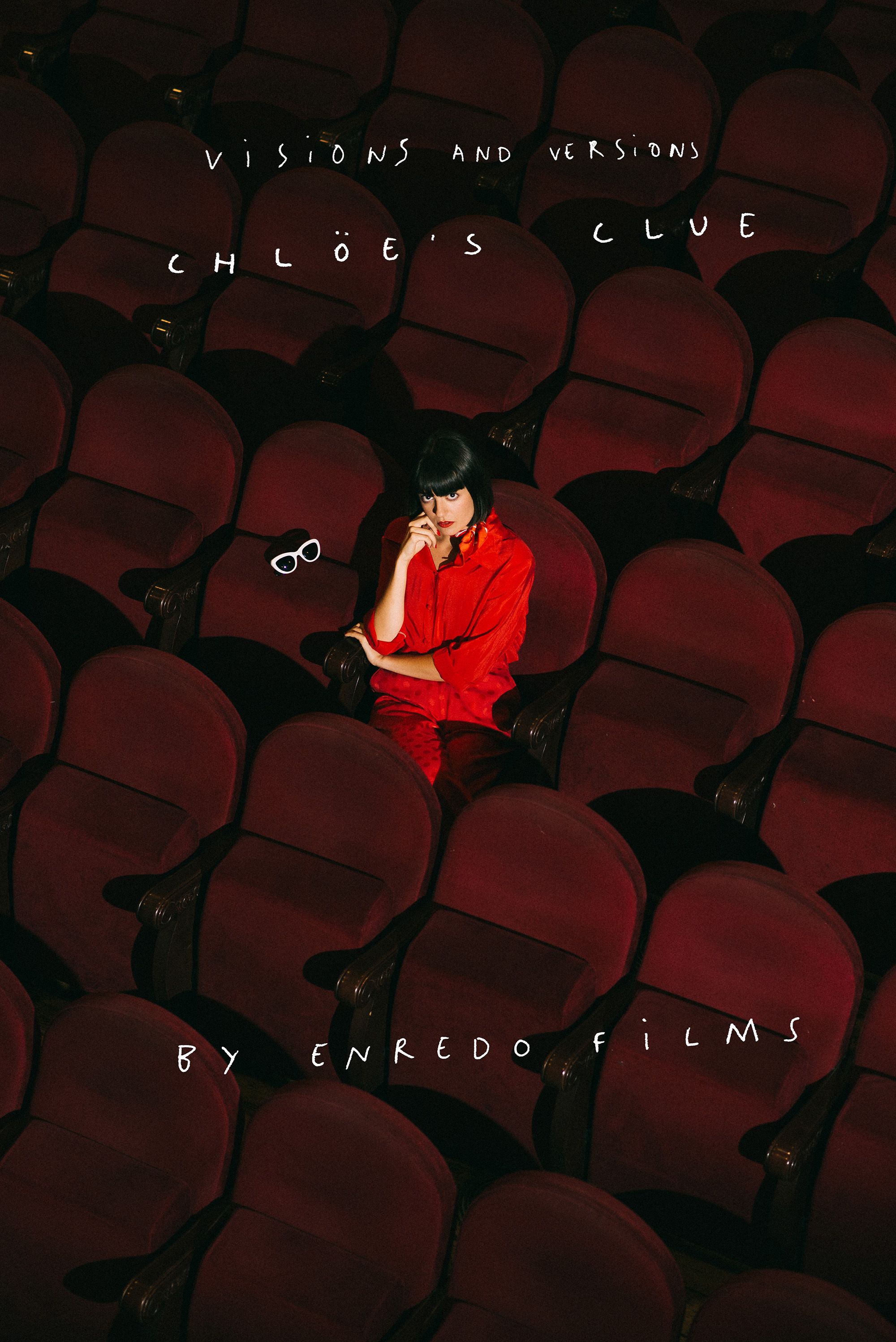
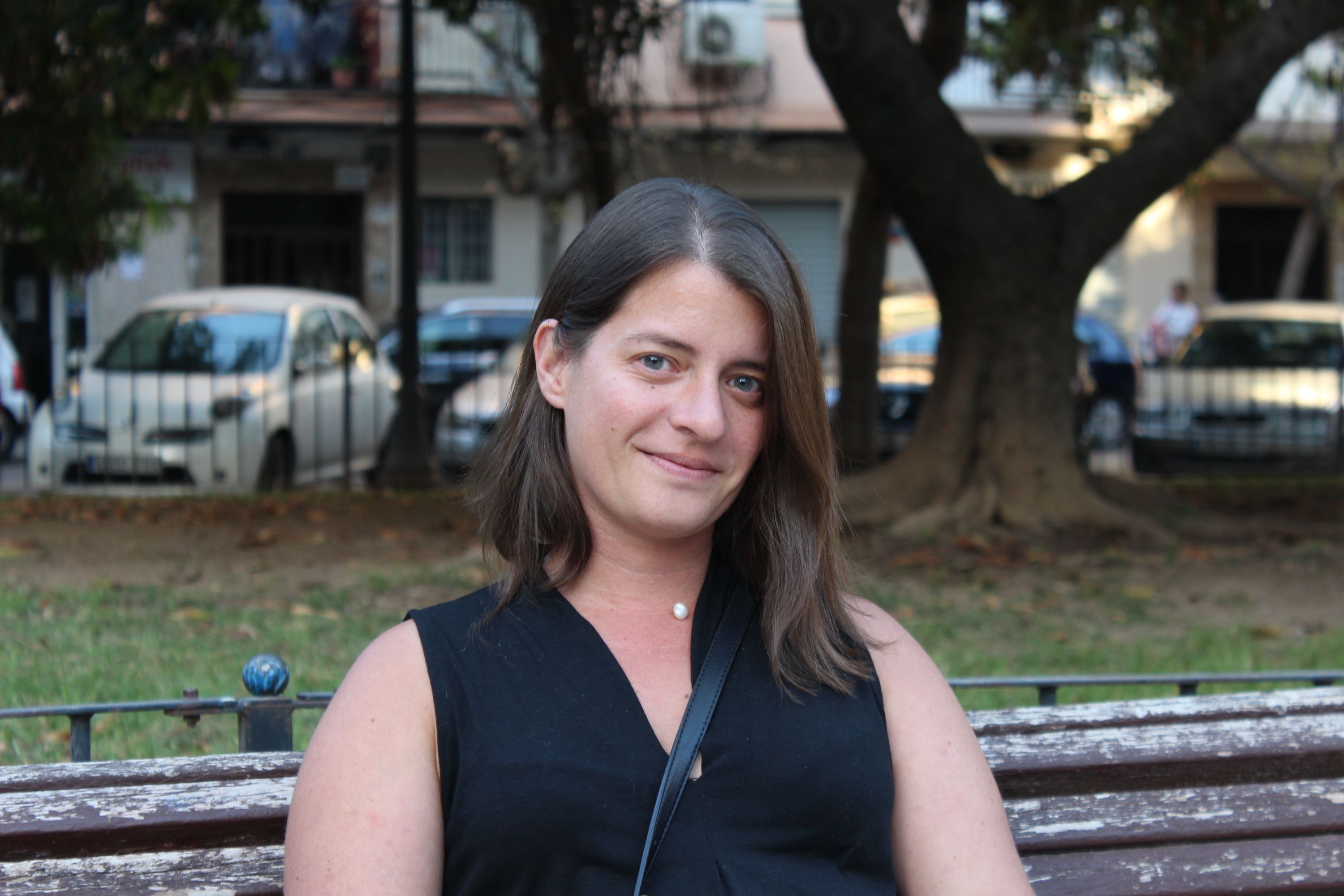
Para ella, son dos caras de la misma moneda: la comunicación. Su segundo disco, Panorama, verá la luz el próximo 7 de noviembre. A este logro se suman cerca de 300.000 reproducciones en Spotify, actuaciones en numerosos festivales, composiciones elegidas por firmas como Repsol y Mapfre para sus campañas… Raquel Adalid, Chlöe’s Clue, estudia cuarto de Periodismo en la Universidad CEU Cardenal Herrera.
¿Por qué la música?
Creo que no ha sido una elección. Más bien ha sido una pasión que ha ido creciendo al mismo tiempo que yo. Desde que era muy muy pequeñita, siempre me ha gustado mucho la música y, la verdad, es una oportunidad brutal poder hacer que de afición pase a ser algo más.
Para mí la música es poder evadirme, poder sincerarme y conocerme más. Significa tomarte un tiempo para meditar (un momento muy importante que a veces se nos olvida), pensar e imprimir todo eso en un papel y unas melodías. Esto y otras cosas que resulta complejo explicar.
Periodismo es una carrera que te enseña a crear contenidos con una serie de valores. Me ayuda a llevar mis ideas a una canción y a llegar a más personas
¿Por qué periodismo?
Es vocacional. Tanto la música como la comunicación son claves para mí.
Periodismo es una carrera que te enseña a crear contenidos o ideas con una serie de valores. A crear noticias, a opinar con fundamentación o, lo que más me gusta en mi caso, a crear con espontaneidad. Esta es mi parte favorita, porque es la más relacionada con la música.
Al final, tanto una cosa como la otra llevan implícito comunicar; simplemente cambia la forma de hacerlo: solo con palabras o acompañándolas de instrumentos.
Por eso estudio Periodismo, porque me encanta poder llevar mis ideas a un papel o a una canción.
¿Qué peso tiene la comunicación en la música?
Muchísima. Una buena comunicación de la carrera musical es clave. Si haces una música brutal, pero no sabes cómo comunicarla, cómo hacer que se conozca, cómo promocionarla, o crear una imagen que atraiga… es mucho más complicado que tu proyecto crezca.
Creo que la comunicación en la música es vital y, por ello, estudiar Periodismo aporta un plus. Conocer este lado profesional (saber cómo funcionan las notas de prensa, newsletter, redes sociales, moverte en el mundo de los medios de comunicación…) puede ayudarte a crear un producto más atractivo, a llegar a más personas y, lo que de verdad importa, a poder hacer más música y disfrutarla.
PANORAMA LO DESCRIBIRÍA COMO UN COCKTAIL DE DRAMAS, ALEGRÍAS, COMECOCOS EXISTENCIALES Y DILEMAS MORALES. PASO DE ESCONDER LOS SENTIMIENTOS A SACARLOS A PASEAR
¿Ya estás aplicando este aprendizaje?
Sí. Por ejemplo, yo me encargo de mis redes sociales e intento comunicar todo lo que hago de la mejor forma posible. Para ello he de escribir textos y saber acompañarlos con media… Periodismo te ofrece muchos conocimientos en este ámbito.
El CEU apoya los proyectos que van más allá de la universidad. Cuando he tenido alguna complicación para compaginar música y periodismo, siempre me han dado una solución
¿Cómo compaginas estudios y carrera profesional? ¿Te lo ponemos sencillo?
En muchos momentos parece todo un caos, pero siempre aparece la forma de compaginarlo todo. Es cuestión de organizar bien el tiempo. Y cuando realmente quieres una cosa y te esfuerzas, acabas encontrando el momento para todo.
En mi caso, por las tardes hago prácticas de periodismo y el resto de tiempo libre lo dedico a Chlöe’s Clue. Son dos cosas que me apasionan y que hago con mucho gusto, así que siempre hay rato para todo.
Raquel Adalid estudia cuarto de Periodismo en el CEU
Y sí, el CEU lo facilita y apoya los proyectos que van más allá de la universidad. Cuando he tenido alguna complicación para compaginar música y periodismo, siempre me han dado una solución, de forma que no tengo que renunciar a ninguna de mis dos vocaciones.
Mi reto es conectar cada vez más con la gente cuando toque, hacer que todos disfrutemos de la música en directo y al final sea un nexo entre las personas
¿Estás contenta con la formación que te aporta el CEU?
Sí, creo que el CEU ofrece una formación buena y atención personalizada para los alumnos. Lo que más valoro son todos los medios de que dispone (estudios de grabación, platós, radio…). Sin duda es la forma ideal de enseñar las cosas: con la práctica y acercándote a lo que será el mundo laboral.
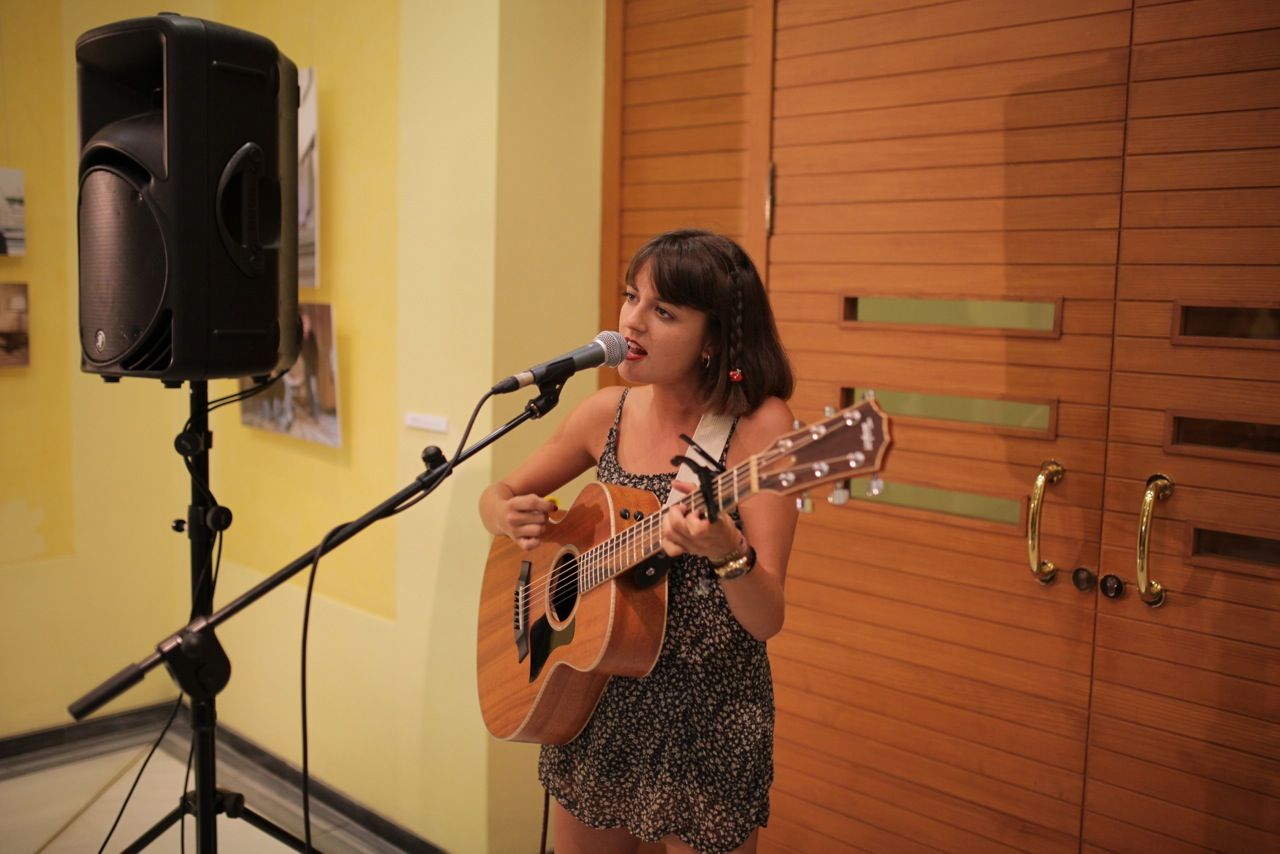
La artista, durante su actuación en Mediarte 2015
Ya tuvimos la oportunidad de escucharte en Mediarte. ¿Cómo fue la experiencia de tocar en tu universidad?
Estupenda. Este tipo de actos hacen que te des a conocer entre los alumnos y, lo más importante, impulsan la cultura entre los jóvenes. Eso me chifla.
De hecho, mis inicios musicales fueron en el CEU, concretamente en el colegio. Fue allí donde me dieron la oportunidad de grabar mi primera canción y para ello, obviamente, fui a los estudios de la universidad. Allí conocí a Antonio Hurtado, estudiante de Comunicación Audiovisual, que grabó mi primera canción. Me preguntó si tenía más temas compuestos y me propuso grabar un disco, algo que yo jamás me habría planteado. Y desde entonces no me planteo ni por un segundo dejar de hacer música.
El CEU ofrece una formación buena y atención personalizada para los alumnos. Lo que más valoro son todos los medios de que dispone
Estás en cuarto y tendrás que superar un TFG. ¿Va de música?
(Risas). Desde luego. Aunque todavía no tengo claro al 100% cómo será, no hay duda de que el tema irá relacionado con la música. Es en la industria musical donde me quiero especializar, así que cualquier oportunidad es perfecta para poder formarme más en este ámbito.
Chlöe’s Clue ha actuado en numerosos festivales: Les Arts, Sansan, Tomavistas, Palo Alto, U-pop… ¿Cuál es tu siguiente reto?
Cualquier lugar es especial para tocar. Puede sonar a mito o a un cumplido, pero creo que no por más renombre que tenga el sitio donde vas a actuar, por más grande que sea, va a ser mejor. Lo que de verdad es importante es la gente. Cuando está en silencio, escuchando y disfrutando de la música es cuando de verdad es un placer tocar.
Así que mi reto es poder conectar cada vez más con la gente cuando toque, hacer que todos disfrutemos de la música en directo y al final sea un nexo de unión entre las personas. No importa donde sea.
Creo que la música se encamina hacia lo independiente, y para ello has de ser lo más multidisciplinar posible y formarte todo lo que puedas
Muchas de tus canciones han sido utilizadas en campañas de grandes firmas, como Repsol o Mapfre. ¿Qué papel juegan la publicidad y las TIC para los jóvenes músicos?
Nunca me había imaginado que canciones que he hecho sobre temas personales, en casa y pensando que nadie las escucharía jamás, iban a acabar sonando por la tele. La verdad es que es muy satisfactorio.
Sin duda, la publicidad es un gran medio para llegar a públicos más amplios. De hecho, las canciones usadas para spots publicitarios son las que más reproducciones tienen.
Hoy en día, con todas las herramientas de que disponemos, escuchas una canción donde sea, la identificas con Shazam y accedes rápidamente al artista.
Así que, con el alcance de la televisión y la ayuda de los medios digitales, los spots son un expositor ideal para que te pueda escuchar más gente.
Las herramientas digitales e Internet han hecho que puedas llegar a cualquier parte del mundo rápidamente y han facilitado muchas tareas relacionadas con la música, pero, al mismo tiempo, han creado una red enorme de bandas y grupos que hace que destacar sea cada vez más complicado. Hay más música y por tanto tienes que diferenciarte más. Pero bienvenidos sean Spotify y Facebook…
¿Hacia dónde se encamina la música profesional?
Creo que hacia lo independiente y para ello has de ser lo más multidisciplinar posible. Por ello es muy importante formarte todo lo que puedas.
Cada vez es más necesario saber hacer uno mismo más cosas, no depender de otras personas y tener conocimientos en el mayor número de áreas posibles.
Las herramientas digitales e Internet han hecho que puedas llegar a cualquier parte del mundo rápidamente, pero también han creado una red enorme de grupos que complica destacar
Cuéntanos tus planes.
Ahora estamos en pleno proceso de lanzamiento del segundo disco, que se llamará Panorama y saldrá el día 7 de noviembre. A partir de ahí anunciaremos las próximas fechas de conciertos y el objetivo, o el plan ideal, sería tocar todo, todo, todo lo que pueda.
¿Qué diferencia Panorama del disco anterior? Descríbelo.
Es un disco más meditado, más elaborado y, sin duda, refleja mi evolución como persona, como mujer. Hidden Rhythms, el primero que lancé, fue muy sincero porque no estaba premeditado, fue algo natural pero también es cierto que fue algo más ingenuo.
Panorama lo describiría como un cocktail de dramas, alegrías, comecocos existenciales y dilemas morales. Un disco en el que paso de esconder los sentimientos a sacarlos a pasear, eso sí, por calles oscuras que llevan hasta rincones de terciopelo rojo y decorados. Lujuria y decadencia de la mano para contar las distintas escenas de una misma vida, el panorama.
Nunca me había imaginado que canciones que he hecho sobre temas personales, en casa y pensando que nadie las escucharía jamás, iban a acabar sonando por la tele
Ahora se pueden encontrar guitarras afiladas y golpes secos de batería para abatir el dolor, sonidos cubanos y ritmos suaves para celebrar la alegría y las victorias, y susurros para no escuchar el miedo.
Universidades como las de Buenos Aires, California, Berkeley o la British Columbia, en Vancouver, han acogido ediciones anteriores de este foro de académicos para analizar los retos científicos y de la tecnología
Los días 19 y 20 de octubre de 2017 la CEU UCH acoge en el Palacio de Colomina CEU el VII Congreso Internacional de Tecnología, Ciencia y Sociedad (7th International Congress on Technology, Science and Society). Este Congreso es un foro de académicos orientado a los desafíos cruciales a los que se enfrentan los estudios de ciencia y tecnología en el panorama actual, aunando las perspectivas locales y globales. Se trata de un evento que contribuye al intercambio de ideas y de buenas prácticas mediante el fomento de la diversidad disciplinar, nacional, cultural, étnica y lingüística. El vicerrector de Relaciones Internacionales de la CEU UCH, Iñaki Bilbao, participará en la inauguración de las sesiones, en las que han sido admitidas las comunicaciones de profesores de la CEU UCH como Rosa García Bellido, Enrique Cerezo y Jaime Vilarroig.
Congreso internacional
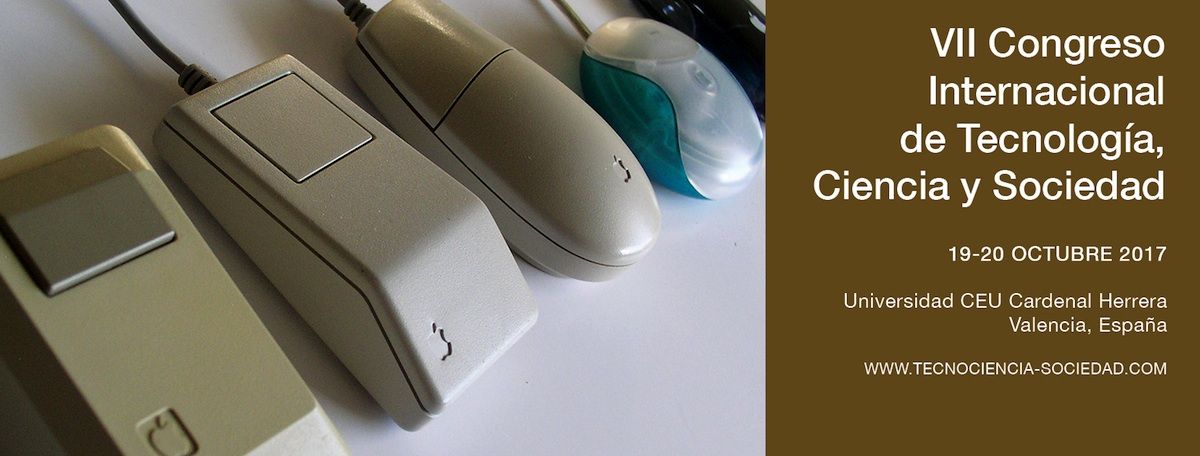
El Congreso Internacional de Tecnología, Ciencia y Sociedad es itinerante y se celebra anualmente en universidades de las principales ciudades del mundo. Antes de Valencia, el congreso ya había pasado por la Universidad de Buenos Aires (Argentina) en 2016; la University of California en Berkeley (San Francisco, EE.UU.), en 2015; la Universidad Complutense de Madrid (España), en 2014; la University of British Columbia (Vancouver, Canadá), en 2013; la University of California (Los Ángeles, EE.UU.), en 2012; y la Universidad del País Vasco (Bilbao, España), en 2011. En esta edición de 2017, en la CEU UCH de Valencia, el tema del Congreso es Las fronteras entre hombres y máquinas: 50.º aniversario de la invención del ratón.
Sesiones y ponentes
La sesiones, que incluirán ponencias plenarias, comunicaciones orales, pósteres y mesas redonda, tendrán lugar en el Palacio de Colomina CEU. La apertura se celebrará en el salón de actos, el jueves 19, a las 09:15h, con la presencia del vicerrector de Relaciones Institucionales de la CEU UCH, Iñaki Bilbao Estrada. En las sesiones plenarias del día 19, participarán Mario Toboso Martín, del Consejo Superior de Investigaciones Científicas (CSIC) y Gonzalo Génova, de la Universidad Carlos III de Madrid. El viernes 20 de octubre intervendrán Mónica Edwards Schachter, investigadora independiente y CEO de miValu, y Roberto Feltrero Oreja, de la Universidad Nacional de Educación a Distancia (UNED). Las sesiones plenarias serán abiertas al público ambos días.
Los coordinadores de los Grados de Educación Infantil y Primaria de la CEU UCH en Castellón y Valencia, Rosa García Bellido y Enrique Cerezo, presentarán el proyecto “flipped classroom” para el aprendizaje cooperativo, como innovación en la docencia universitaria asociada a la tecnología, admitida para su presentación en este Congreso. Como reto científico, el profesor Jaime Vilarroig planteará la definición esencial de la vida desde el punto de vista científico y filosófico y los retos que plantea el concepto de ser vivo en el ámbito de los autómatas.
Más información sobre el VII Congreso Internacional de Tecnología, Ciencia y Sociedad en: www.tecnociencia-sociedad.com / www.technosciencestudies.com.
Propuestas de la CEU UCH admitidas al Congreso:
Innovación en la docencia universitaria mediante flipped classroom y aprendizaje cooperativo.
Rosario García Bellido, Enrique Cerezo Herrero
HACIA UNA DEFINICIÓN ESENCIAL DE LA VIDA: IDEM SED ALITER PER IPSUM
Dos veterinarias del Instituto de Investigación en Recursos Cinegéticos (IREC), antiguas alumnas de la Universidad CEU Cardenal Herrera, han inaugurado este foro de divulgación sobre fauna silvestre
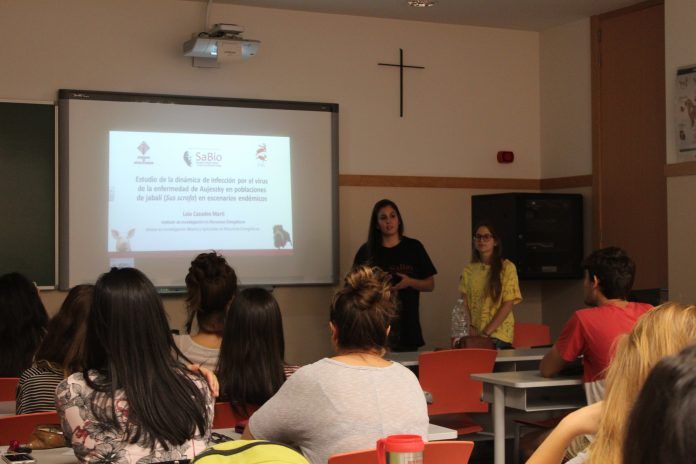
La Facultad de Veterinaria de la Universidad CEU Cardenal Herrera ha inaugurado las Wildlife Talks, un ciclo de charlas divulgativas sobre aspectos sanitarios de la fauna silvestre que quieren acercar a los estudiantes las diferentes investigaciones y proyectos que se desarrollan en esta rama de la Veterinaria.
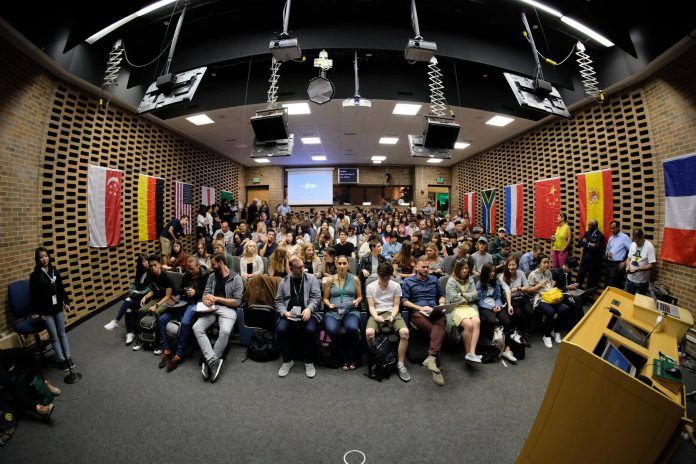
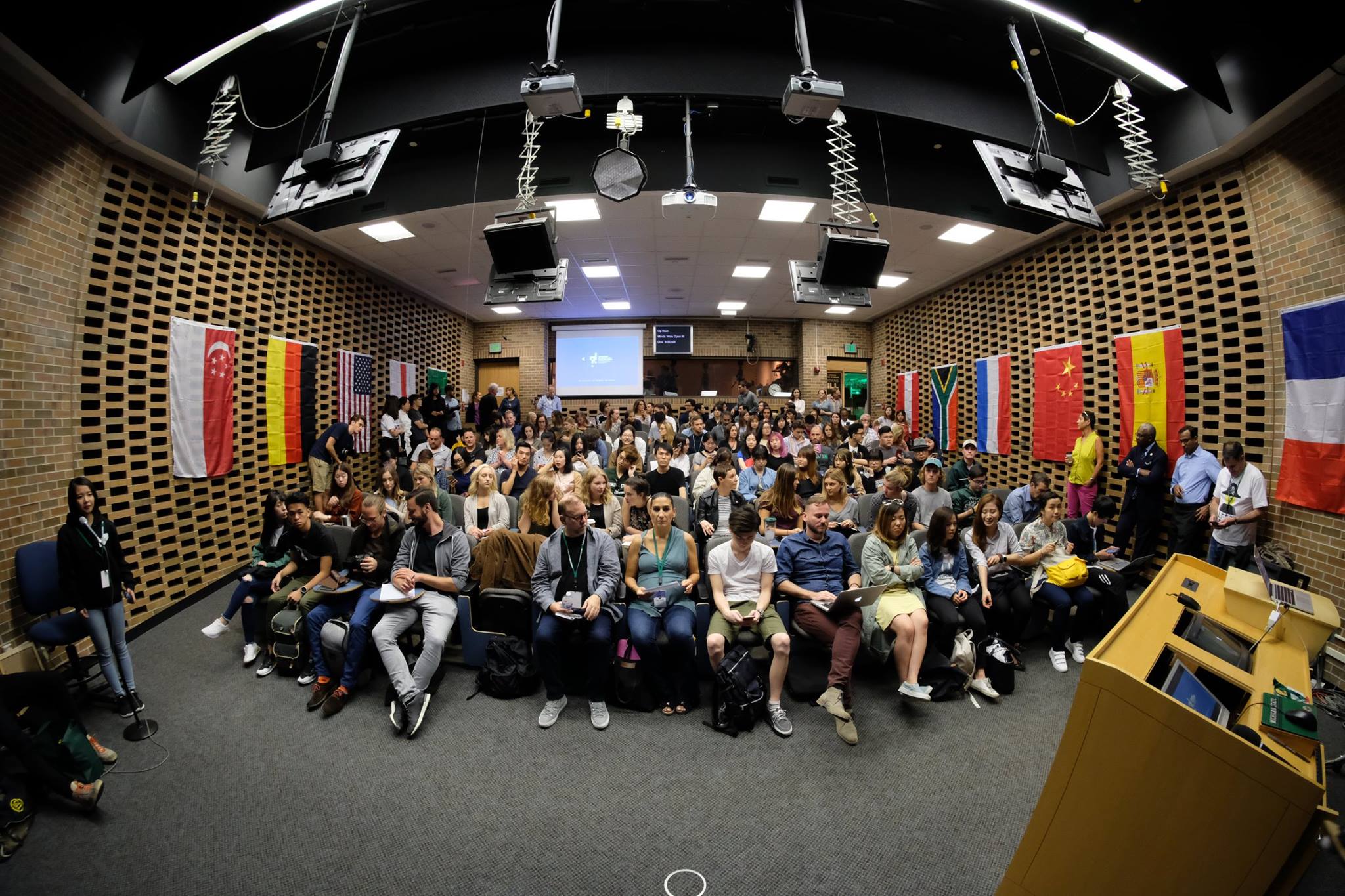
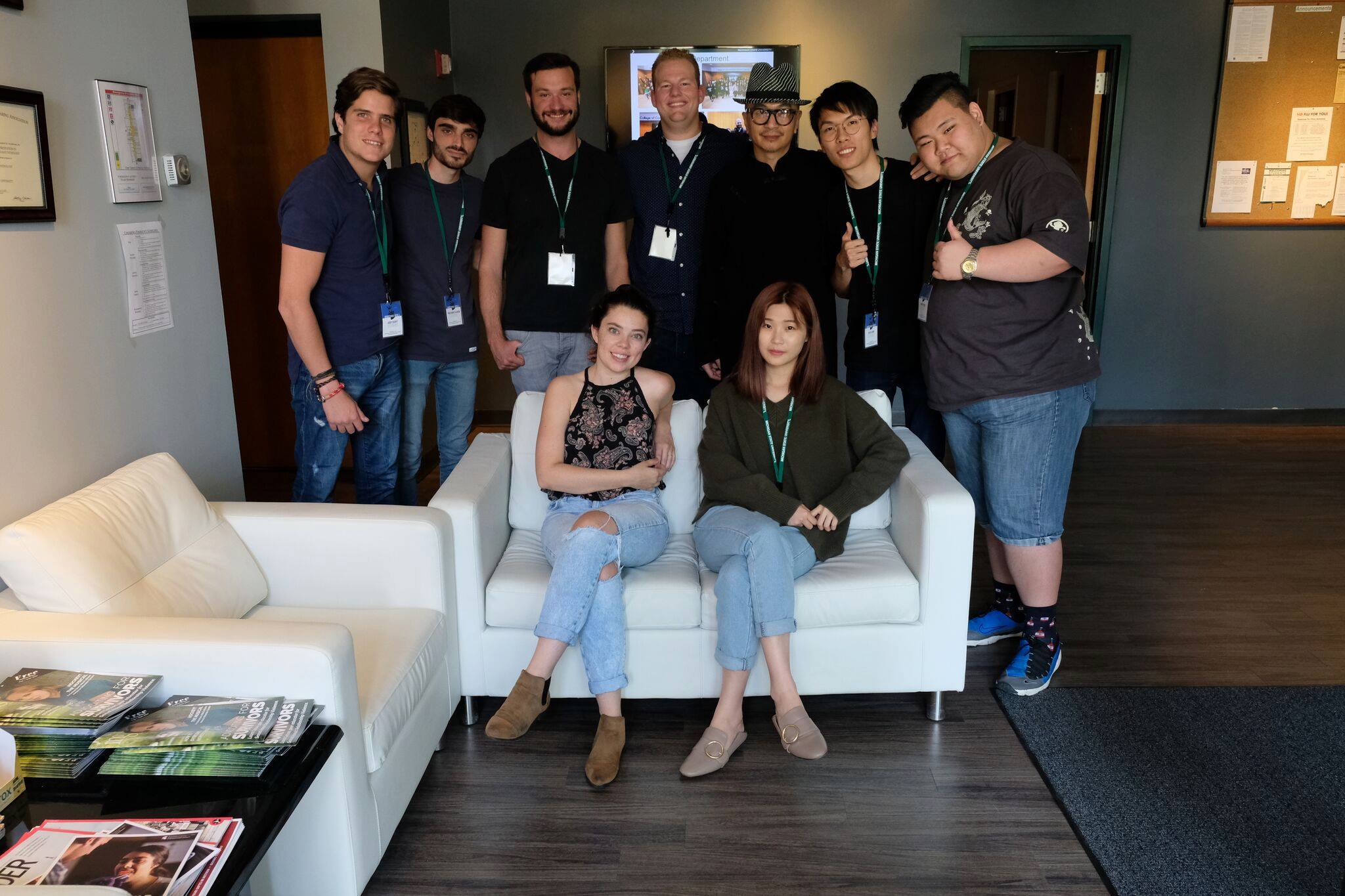
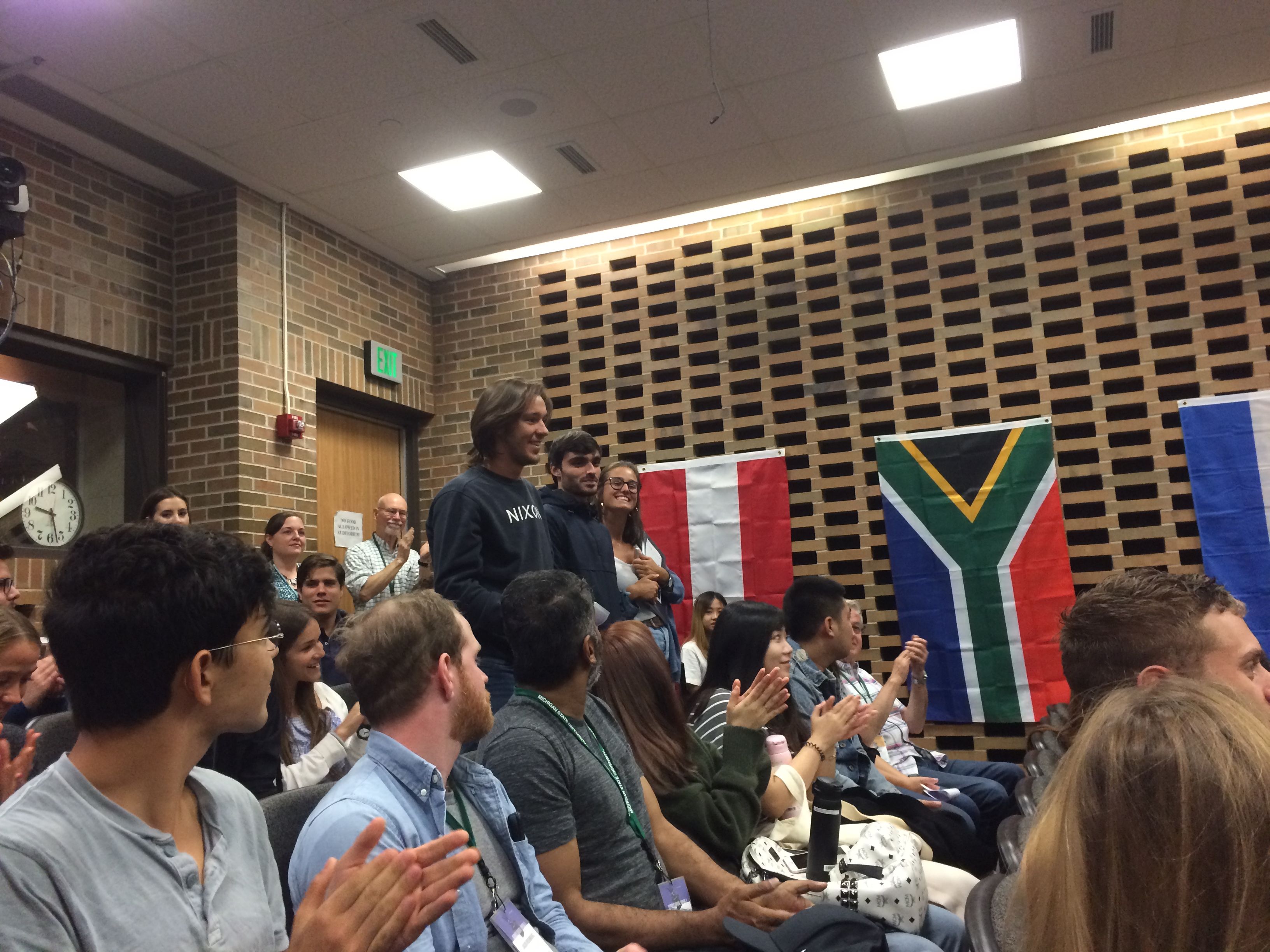
Carlota Vilarrasa, Pablo Martí y Carlos Ingemar Grahn Yanini han regresado hace unos días de Michigan, USA. Estos tres estudiantes de Publicidad del CEU han participado en un prestigioso concurso universitario internacional y, sobre todo, han disfrutado de una experiencia intercultural única.
Y es que en esta tercera edición de Minds Wide Open (MWO), que organiza la Escuela de Artes y Ciencias de la Comunicación de Michigan State University, han concursado jóvenes creativos procedentes de universidades de cuatro continentes: China, Sudáfrica, México, USA, Alemania y España.
Los jóvenes creativos se integraron en equipos transnacionales para abordar un reto publicitario
A lo largo de cuatro días, los futuros publicistas han trabajado distribuidos en doce equipos transnacionales para buscar una solución creativa a un reto profesional. Y, además, han contado con el asesoramiento de los mentor, unos tutores de primera que, en su mayoría son directores creativos de agencias procedentes de todas las latitudes.
“No es la primera ocasión en la que los estudiantes de Publicidad del CEU acuden a concursos de estas características, pero sí a uno con tanta diversidad cultural”, tal y como destaca Pepe Martínez, el profesor que ha organizado la participación de la Universidad CEU Cardenal Herrera en el MWO 3.
Los alumnos de Publicidad del CEU durante su presentación
“Nuestros equipos quedaron en 4ª, 5ª y 6ª posición, pero todos ganaron. Y mucho”, asegura Martínez. “Para los alumnos ha sido una experiencia brutal, imborrable”, subraya. “Los tres, continúa el profesor del CEU, me han contado que han aprendido muchísimo estando al lado de compañeros de otros países y con tutores que eran profesionales de primer nivel. La experiencia es muy intensa pero muy enriquecedora; y con un reto extra lingüístico, porque estar una semana defendiendo tus ideas en inglés es duro. Pero estos tres alumnos lo han hecho a la perfección”.
“Se trata de una vivencia internacional que deja huella, tanto en docentes como en alumnos”, asegura Pepe Martínez. “Además, los mentor hacían presentaciones de cómo concebían la creatividad publicitaria y eso también inspira y enriquece”, añade.
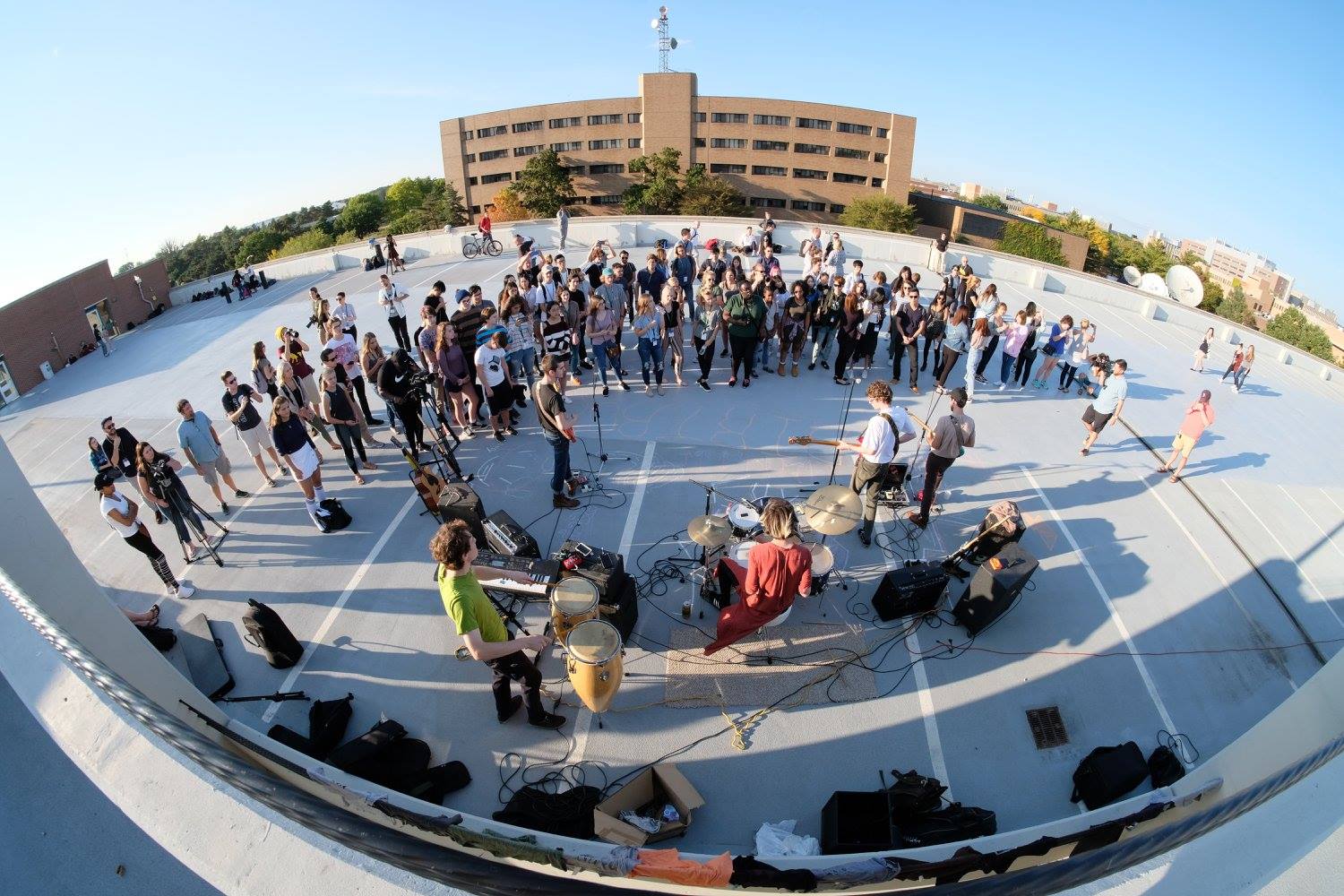
Además de la competición, los universitarios disfrutaron de numerosas actividades culturales
Creativos sin fronteras
El CEU, que ha participado como partner en este reputado concurso, cuenta con una larga trayectoria en la organización y participación de/en eventos publicitarios internacionales.
Desde hace muchos años la CEU UCH viene participando en Intensive Programmes, «como el que se celebra este próximo mes de marzo en Alemania y al que acudirán los alumnos matriculados en Comunicación en Entornos Internacionales, y en otras muchas actividades que permiten a los estudiantes poner en juego sus competencias profesionales, idiomáticas y culturales”, destaca Martínez.
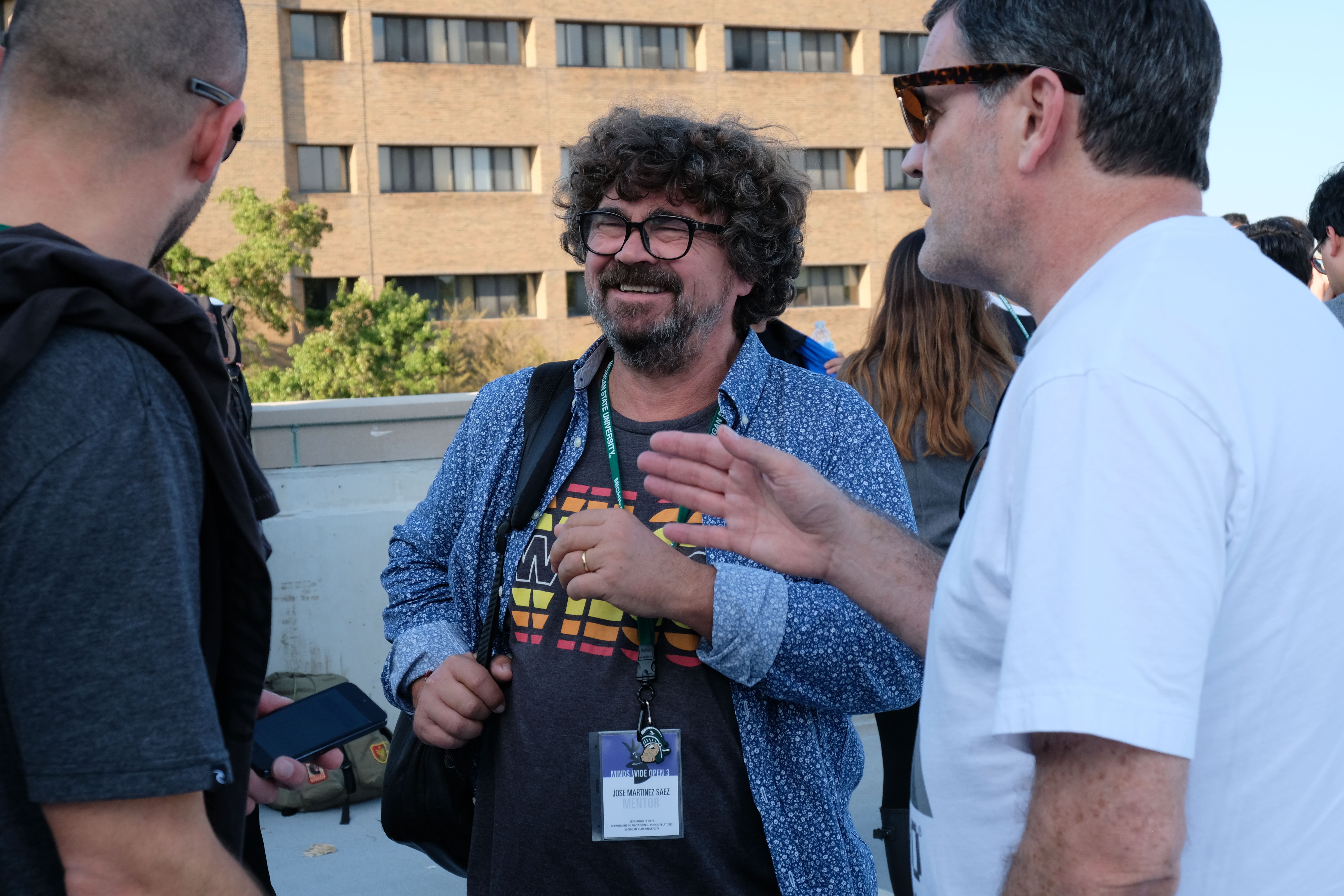
El profesor Martínez, junto a otros mentores procedentes de todo el mundo
“No voy a esconder que siempre da un poco de pereza embarcarte en aventuras como esta, porque supone abandonar durante más de una semana tareas cotidianas, que luego tienes que retomar, y es un sobreesfuerzo a todos los niveles. Pero también es una oportunidad de compartir conocimientos y experiencias, y de hacer contactos interesantes para la universidad y para la titulación”, afirma el docente.
Y parece que estos contactos son rentables. “En nuestros International Days, queremos contar con algunos de los mentores que han participado en el MWO de Michigan, para que sus experiencias y conocimientos puedan ser compartidos no solo con los alumnos que pudieron viajar a USA, sino con toda la comunidad universitaria del CEU de Publicidad y RRPP”, anuncia Pepe Martínez.
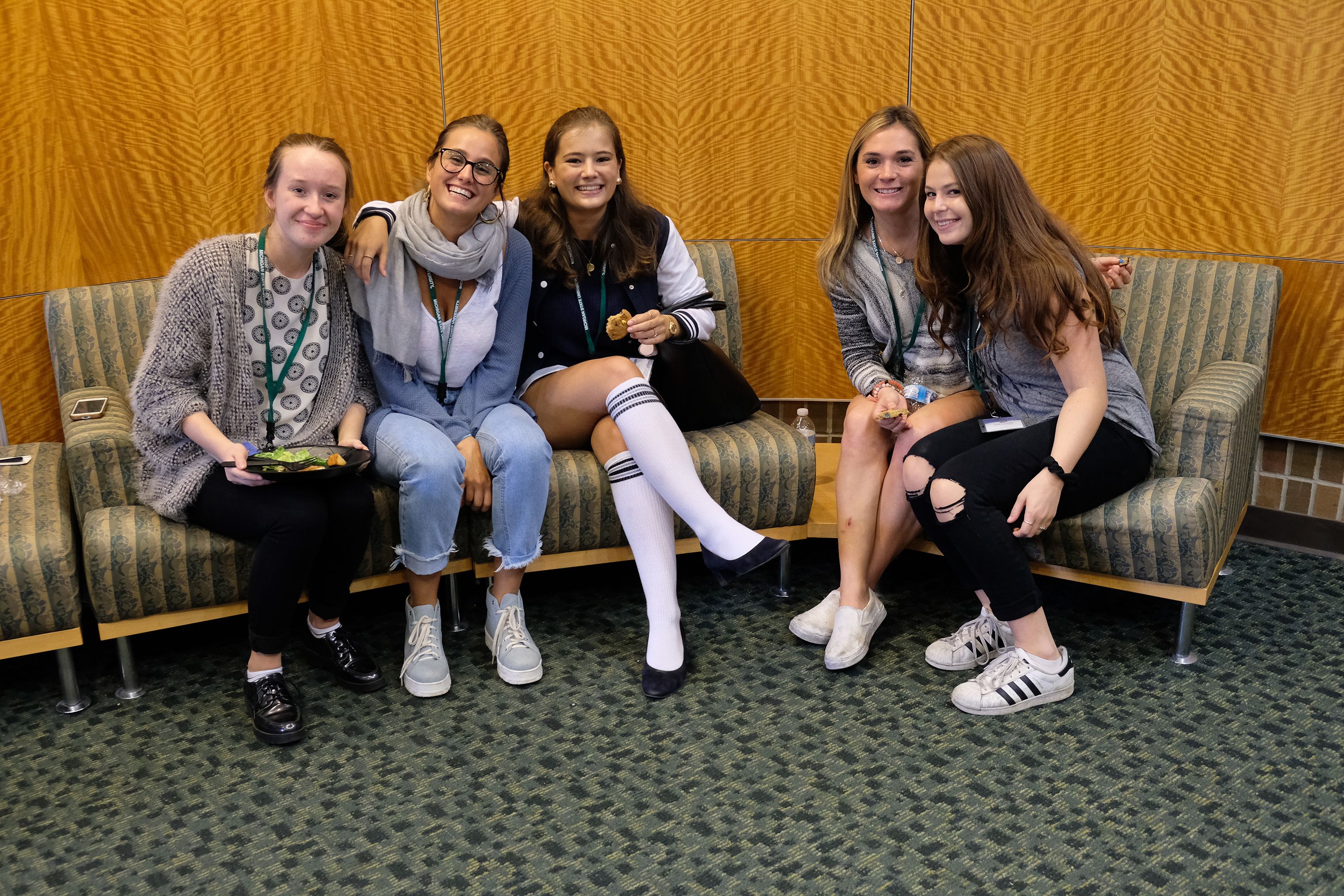
Una experiencia imborrable para los estudiantes de Publicidad del CEU
“La titulación de Publicidad y RRPP es muy dinámica”, continúa el profesor del CEU. Y añade: “Estas actividades internacionales complementan a otras que se salpican a lo largo del curso. Este año, por ejemplo, hay muchas actividades en torno al mundo de la moda. Además, siempre que hay concursos, animamos a los estudiantes a participar en ellos. Y el resultado merece la pena: hace dos años Carlota y Pablo ganaron La Lluna, y el año pasado quedaron finalistas en la short-list del Festival Publicitario El Sol, lo que es todo un éxito”.
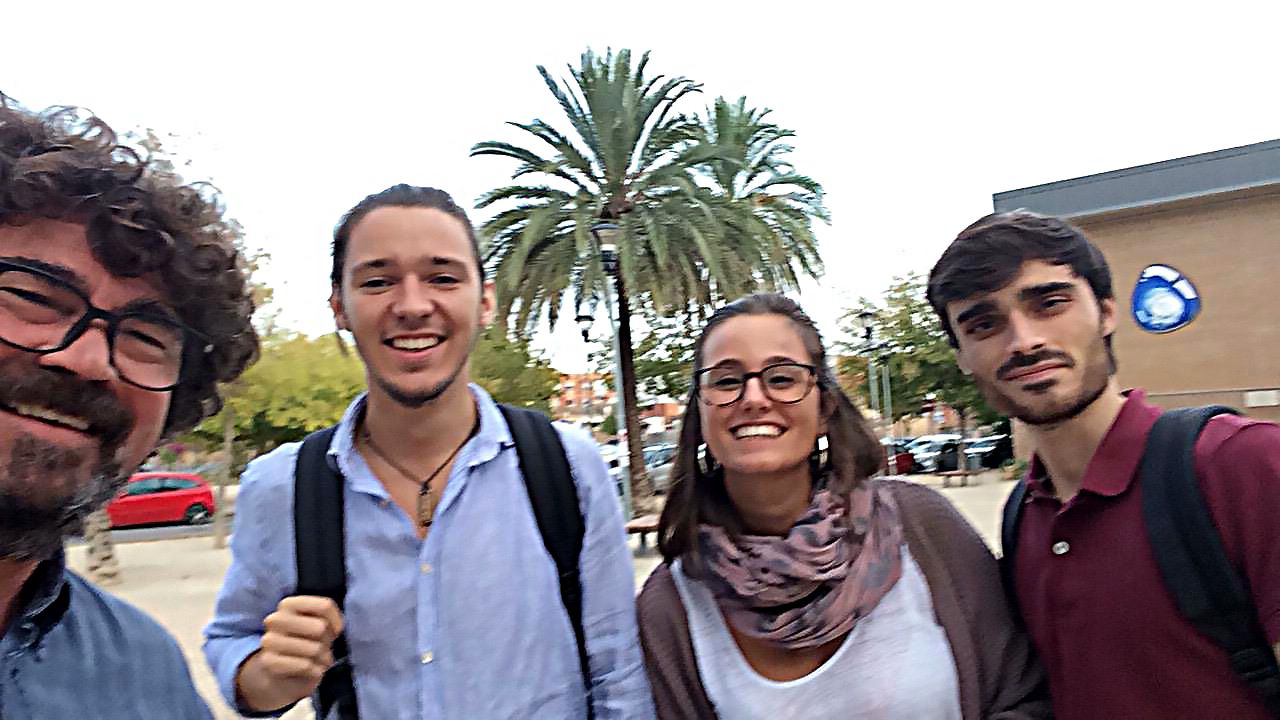
El equipo del CEU al completo en Alfara del Patriarca
Investigadores de Odontología de la CEU UCH de Valencia relacionan el drástico descenso de la proteína CRP y la progesterona, transcurridos dos meses tras el parto, con la disminución de problemas periodontales en las mujeres
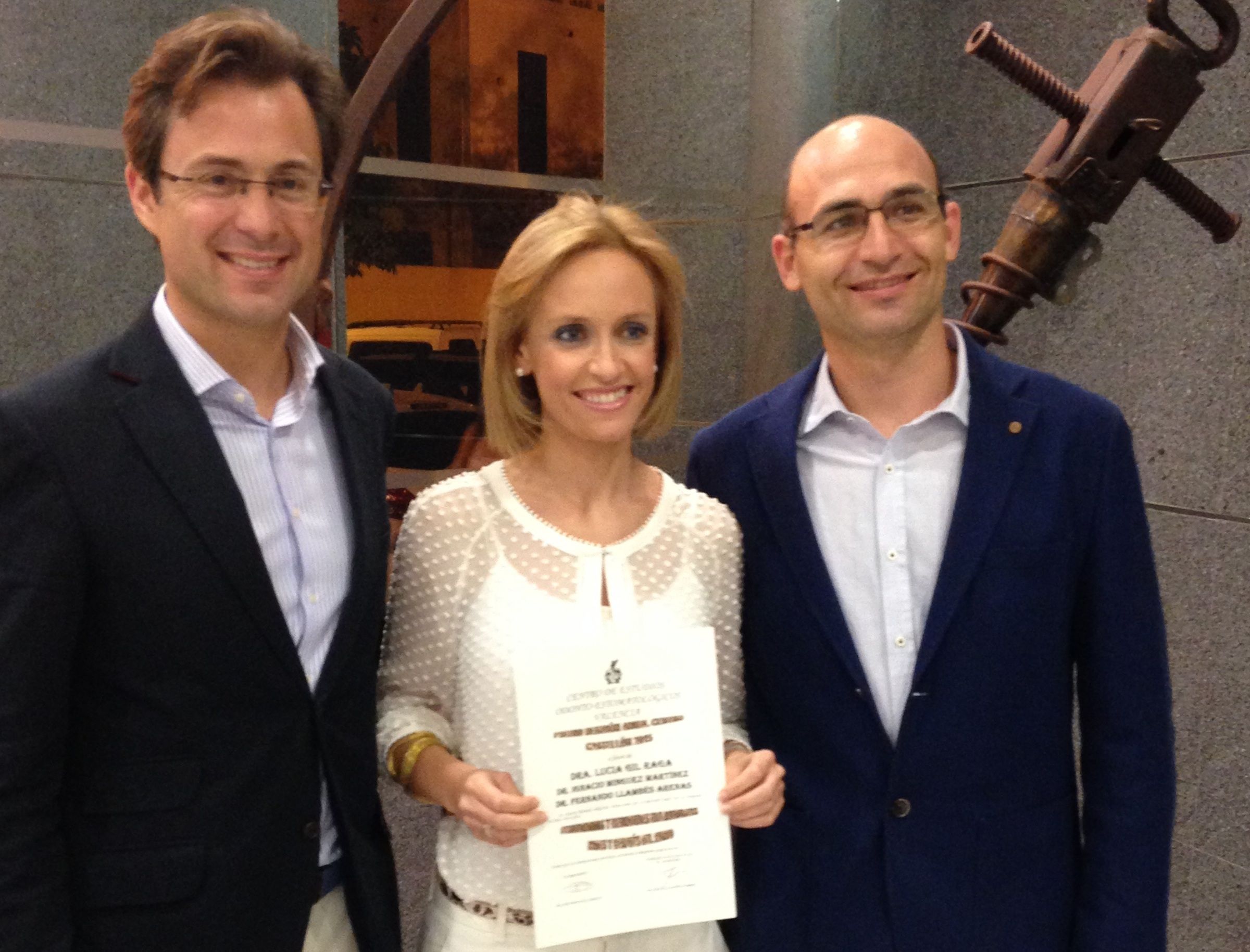
Los investigadores Ignacio Mínguez, Lucía Gil y Fernando Llambés, coautores del estudio.
Los problemas periodontales que afectan a la salud de las encías, como la gingivitis y la periodontitis, son, junto con la caries, la causa más común de pérdida de dientes entre la población. En el caso de las mujeres embarazadas, el incremento de estos problemas del tejido periodontal, que envuelve al diente, se ha asociado en diversos estudios al aumento de la progesterona. Ahora, investigadores del Departamento de Odontología de la Universidad CEU Cardenal Herrera de Valencia han publicado en Journal of Periodontology uno de los primeros estudios que demuestra la relación, no solo con el entorno hormonal, sino también con el cuidado oral que debe mantener la mujer y el control que debe llevar el odontólogo para que la situación no empeore durante este periodo tan predispuesto a las enfermedades periodontales. Dos meses después del parto, al normalizarse los niveles de progesterona y de proteína C reativa (CRP), se observa cómo los parámetros de medición periodontal vuelven a la normalidad sin variar los hábitos de higiene.
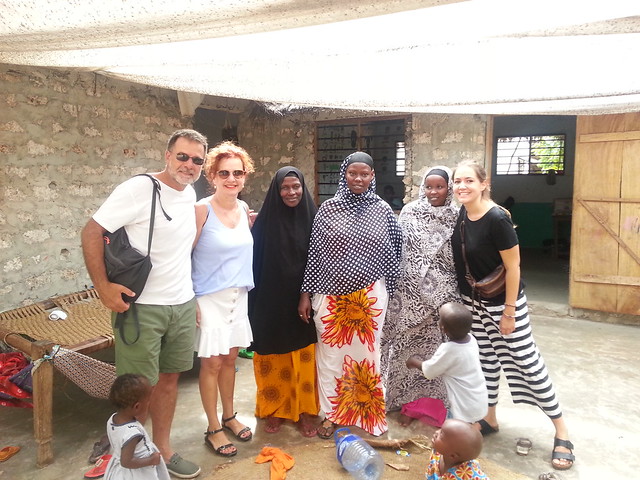
Presentación de los nuevos diseños de Free Design Bank, en el nuevo taller de producción para Jimudu Women Group en Lamu (Kenia).
A group of professors and students have collaborated in the construction and equipment of a handicraft atelier for women in need of the «Jimudu Women Group» in the Lamu district in Kenya
Professor of Design at CEU UCHManuel Bañó and former students Carmen Guijarro and Nacho Errando, along with historian Amparo Balbastre, have been supported by several groups of students and volunteer designers
The company where the designer Carmen Guijarro works subsidized the project presented in association with Free Design Bank and Afrikable, under the title «Cooperation through the design for the consolidation, training, technical and economic development of Afrikable NGDO artisan groups in the district of Lamu (Kenya)»
Presentación de los nuevos diseños de Free Design Bank, en el nuevo taller de producción para Jimudu Women Group en Lamu (Kenia).
Since last summer, the «Jimudu Women Group» in Kenya – which in Swahili means «a group of women who value themselves» – and other Afrikable NGDO groups have a new manufacturing place, equipped with nine industrial sewing machines and an extensive collection of new designs to produce. The Free Design Bank project, led by CEU UCH DesignProfessor Manuel Bañó, has contributed to the achievement of this new objective for this group of Kenyan artisans, with whom they have collaborated since 2012: a new production building equipped in Lamu, new sewing and design classes for training and a new collection of designs carried out by students and professionals so that, with their resources and the materials at their disposal, they can make a living with the benefits of their sale.
The volunteer designers, design students of CEU UCH and other schools that collaborate with the project, have worked under the direction of Manuel Bañó dividing themselves into three teams, who have prepared design proposals from recycled plastic bottles that consumed in Lamu; exclusive sandal designs for the Massai women’s group; and proposals of different objects using Kanga cloth – worn by Swahili women as skirts, handkerchiefs or to carry the babies to the back – and Kikoy cotton fabric in smooth colours or multicolored stripes, used in the traditional dress of Swahili men.
In this mission to Kenya for the launching of the new Free Design Bank design workshop, Professor Bañó has been accompanied by the industrial designer (trained at CEU Valencia) Carmen Guijarro, responsible for project management, and Amparo Balbastre, coordinator of the work of volunteers, patterns and sewing. The heads of the NGO Afrikable Merche Cascajero and Lola Serra have directed and supervised the construction and equipment of the workshop. And former CEU student of Audiovisual Communication Nacho Errando has been in charge of the photographic documentation and the recording of a video about the project.
A consolidated and recognized project
Since 2012, the designs created by CEU UCH students for the «Jimudu Women Group» and «Lamu Recycling Solutions», among others, of the NGO Afrikable, are marketed in Spain through the NGO’s online shop and can also be found in Fair Trade stores, guaranteeing fair remuneration, no intermediaries and decent production conditions for these Kenyan artisans. Last year the collection of Free Design Bank designs for disadvantaged artisan groups in Senegal and Kenya was exhibited at the Barcelona Design Museum, the only design-themed museum in Spain, as part of the collective exhibition on open design «Rehogar».
This same project has also been highlighted by the professional magazine Architecture and Design as one of the ten best initiatives of solidarity design in Spain in 2015. Also the specialized magazine Experimenta dedicated last April an extensive report to Free Design Bank, which has been awarded by the Association of Designers of the Valencian Community (ADCV) and by the UV and has been included in the book Design for Social Innovation DESIS, Tokyo Zokei University of Japan.
Free Design Bank has had a consolidated track record of more than 16 years in the collaboration with artisan producers of disadvantaged regions, to ensure a decent way of life to them. The creativity of CEU UCH students in the design and manufacture of competitive products has supported groups of artisans in extreme need in poor countries such as Peru, India, Philippines, Sri Lanka, Ecuador, Colombia, Tanzania, Cuba, Mali and Kenya. All of them have been able to sell their products more and better thanks to this charity project in design directed from the Technical School of Design at CEU by professor Manuel Bañó.
• Los autores del estudio recomiendan el uso de manómetros durante la intubación de los gatos, ya que administrar la presión exacta durante la ventilación manual es más complejo en esta especie animal que en otras.
CEU Cardenal Herrera University professor José Ignacio Redondo has collaborated with a team of veterinary anesthesiologists at the University of Sydney to conduct this study, published in Veterinary Anaesthesia and Analgesia The authors of the study recommend the use of manometers during intubation of cats, since administering the exact pressure during manual ventilation is more complex in this species than in others.
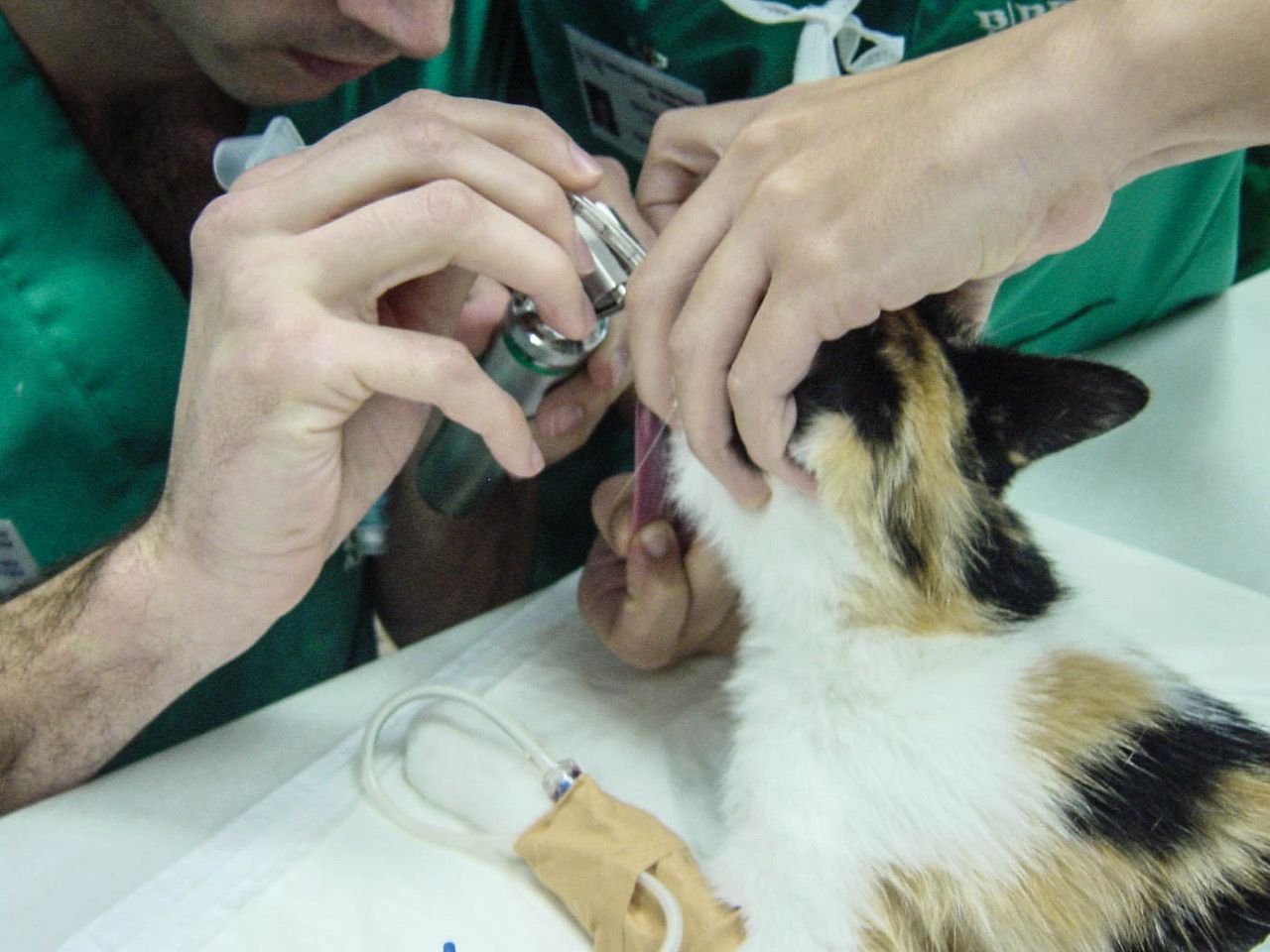
Endotracheal intubation is a basic safety procedure in general anesthesia. However, this practice can lead to complications, with a particular problem being the air pressure of the inflated cuff surrounding the tube itself, which acts as a seal within the trachea. If the air pressure in the cuff is too high, this could cause damage to the trachea. Researchers at CEU Cardenal Herrera University and the University of Sydney have developed a cat airway simulator for the purpose of improving air pressure management during intubation by veterinary anesthesiologists.
• Los autores del estudio recomiendan el uso de manómetros durante la intubación de los gatos, ya que administrar la presión exacta durante la ventilación manual es más complejo en esta especie animal que en otras.
The simulator has also been used to train veterinary students during their rotations in the area of Anesthesiology. Use of the simulator has achieved a reduction of almost 30% in the number of interventions in which the air pressure is too high.
CEU UCH Veterinary Professor José Ignacio Redondo has undertaken this study in conjunction with three professors from the Department of Anaesthesia of the Veterinary Teaching Hospital of the University of Sydney: Donna M. White, Alastair R. Mair and Fernando Martinez-Taboada. The results obtained with the use of this simulator have been published in the most prestigious international journal in the field: Veterinary Anaesthesia and Analgesia.
Feline airway simulator
According to the co-author of the study and professor of Veterinary Medicine at CEU UCH José Ignacio Redondo, «intubation is a fundamental and critical safety measure in anesthesia. Sealing the trachea is key to preventing air leaks, airway obstruction, or aspiration pneumonia. However, it is a risky maneuver that may cause injury. In clinical settings, there are two main methods to verify that an effective seal has been achieved: palpation of the pilot balloon connected to the cuff or listening to the animal’s breathing for any possible air leaks. When looking to improve student and professional expertise in this area, it is a great advantage to have a simulator like the one designed in this study.»
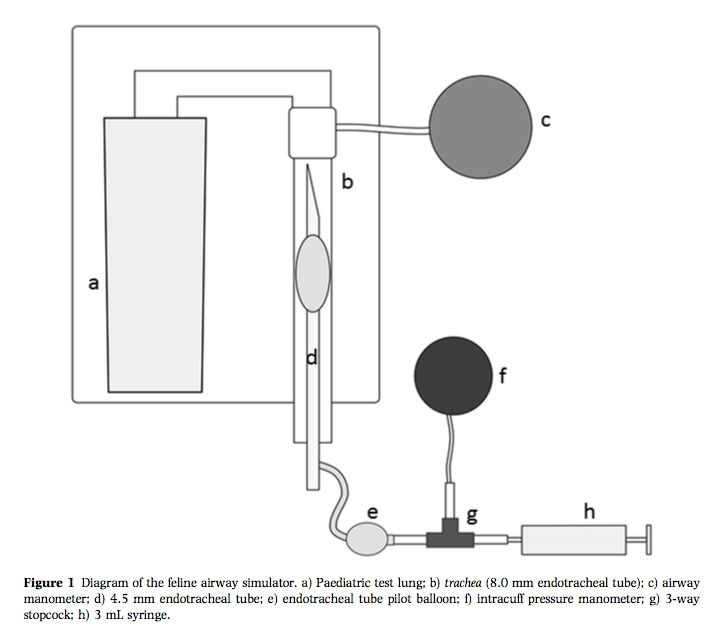
This simulator of a cat’s trachea and lungs, created by Dr Martínez-Taboada, is based on a model obtained from a comparison of multiple computerized tomography (CT) images to define the relevant dimensions, such as the average diameter of a cat’s trachea. The use of the simulator in the study enabled the effectiveness of two different methods of checking for the appropriate air pressure in the cuff to be tested, with the resulting pressure values measured using a manometer for later comparison.
Esquema del simulador de las vías aéreas de los gatos, diseñado por investigadores de la University of Sydney y la CEU UCH.
Skill, better than experience
As Martinez Taboada of the University of Sydney explains, «the manometer accurately measures the air pressure administered to the cat’s airway to determine whether it is below the pressure required for effective ventilation of the animal during the procedure, or it is excessive, which may pose a risk of injury to the trachea. In this way both experienced and trainee veterinarians can see their progress in the mastering of this technique.»
The Spanish and Australian researchers participating in the study compared the results obtained by experienced veterinarians and those of inexperienced students, both at the beginning and at the end of their rotation period. For Martínez-Taboada, » practice with the simulator was able to reduce the number of interventions that exceeded appropriate levels of air pressure by almost 30%, which shows that its use can improve the skills of those training to be veterinarians.»
Intubation: more complex in cats
The results of the CEU UCH/University of Sydney study also show that administering the exact pressure to the cuff during ventilation in intubated cats is more complex than in other animal species, at least as compared with those results from a previous study in dogs. For this reason, the researchers recommend incorporating the use of the manometer for the intubation of cats, to be able to ensure that the pressure in the cuffs is in the proper range, thus minimizing the risks, especially with regard to high pressures.
In fact, cats are the animal species in which most complications have been reported as a result of excessive air pressure in the cuffs during intubation, causing damage to the trachea. In contrast, the incidence of complications due to low cuff pressure in this species is less notable.
In order to read the article, “The effect of user experience and inflation technique on endotracheal tube cuff pressure using a feline airway simulator”, visit Veterinary Anaesthesia and Analgesia.
Passion, determination and hard work – that is how Alma Paula Aranda, a physiotherapist who has found her true calling, has become a true pioneer in social responsibility. After the recent success of her inclusive sports event, I Salón del Deporte Inclusivo, and the launch of the magazine Insport, Alma is now working on a new project: “to turn the Valencia region into the number one area for adapted cycling in Spain.”
Alma was one of the first graduates in Physiotherapy at CEU UCH and in this interview she talks about the “magic” of her profession and the reasons behind her commitment to inclusive projects: “it’s the way in which I can strive to normalize functional diversity, making our society less disabled.”
Where does this commitment to a more inclusive society come from?
Working with people with a disability is what made me fall in love with this profession, a long time before I actually began my degree. It’s through them that I learnt to take diversity for granted and so it surprised me to then see how society very often isn’t designed for everyone. When you have one or two weekly sessions with someone for years, a bond is created between you and there’s a space in which you can speak openly about everything. I’ve always thought that many of the difficulties my patients have can be put down to the lack of thought that’s put into the creation of our environment. And it’s partly their “fault” then that I now argue loudly for a universal design at every level. Organizing and participating in a range of inclusive projects is the way in which I can strive to normalize functional diversity, making our society less disabled.
What’s your verdict on the this event that you’ve organized in Valencia, the I Salón de Deporte Inclusivo?
It’s been a success. Despite the difficulties that have appeared along the way and the lack of resources, we’ve managed to pilot an event which we hope will be taken as an example to follow for adaptive sports in Valencia. It’s all thanks to the help of a range of organizations, such as the Fundación Deportiva Municipal, the UPV, the Colegio de Fisioterapeutas, and also Germán García, because without him this would have been impossible, and then also all the clubs who offered activities and the companies who supported us. There’s a lot still to learn, but we know that we’ve been able to plant a seed which could now grow into a great project.
What response are you seeing from society?
It’s a challenge for us to attract the interest of society in these events and to get people to come to them. Inclusive projects have to make an impact on everyone, not just on a specific group of people who you already know are interested in sport or the issue itself. Those of us who already form part of this world know the value and benefits of inclusion – what we need to do is to convince everyone else. We have to stop trying to persuade other people and start to show them the potential that these events have.
Setting up a company or organizing an event like this is not an easy thing to do. How do you go about working for social development?
It’s been easier now than it was for me when I set up my own private clinic. That’s probably because I have a lot more experience now than when I opened it ten years ago. Although the field I’m working in and the strategies I need to employ are very different, I can see how much I can achieve through hard work. You don’t have that kind of self-confidence when you’re twenty-four.
“IT’S VERY EXCITING TO BELIEVE IN A PROJECT AND THEN TO MAKE IT A REALITY. AND IF IT’S ALSO SOMETHING WHICH HELPS MAKES THIS WORLD A BETTER PLACE, THEN JUST IMAGINE.”
What’s next?
I’m now involved in a very special project: to turn the Valencia region into the number one area for adapted cycling in Spain. For the project, I’m working with Ruth Aguilar (who was awarded the Valencian regional government’s Medalla de Oro al Mérito Deportivo in 2014 and is a member of the ONCE charity’s Paralympic trainer group), Cristina García, President of Asociación TetraSport (which supports participation in sport by people with a disability) and Mauro Xesteira, President of the Asociación Emprendedores Sin Barreras (which supports entrepreneurship by people with a disability). All this is backed by the Asociación Tetrasport. We don’t have all the details yet, but one of the things we’ll be doing is bringing one of the stages of the Spain’s main adaptive cycling event, the Copa de España, to Valencia. And then I’ve always got some crazy ideas going around my head that might one day become great project, but you need to find the right time to bring them to fruition.
“I KNEW THAT I WANTED TO HELP PEOPLE, HEAL THEM, TAKE CARE OF THEM AND HELP THEM TO FEEL BETTER.”
Why did you study physiotherapy?
When you’re a child, you think about doing every new thing that come across: you want to be a dancer, a firefighter, a fisherwoman, or a singer. After that phase, I knew that I wanted to be a physiotherapist, although I didn’t know that that was what that job was called until I got older. I knew that I wanted to help people, heal them, take care of them and help them to feel better. With time, I discovered that that was physiotherapy and so, here I am, many years later. I can say that I did it and that I made the right choice.
You’ve done two master’s courses and around twenty specialization courses concerning physiotherapy, adaptive sports, and therapies involving animals. How necessary is it to keep up with the latest developments?
I’m passionate about working with people with disabilities, especially children, and perhaps I’ve cast too wide a net with my training. In any case, I think it’s important for all professionals to keep on learning. It’s the only way to avoid stagnating in your work, to keep your motivation and to avoid getting stuck in routines which end up making the treatment you give feel impersonal.
What do you remember about your time as a student at the CEU Cardenal Herrera University?
I’ve got great memories of my time there. My year was the first to graduate in Physiotherapy at CEU, sixteen years ago now, and so it was all very exciting. Both for us because of the change from the sheltered life of school and for the lecturers who were trying to establish a new study programme at the University.
I wasn’t at CEU long and during the three years of my diploma there, I didn’t become very close to many people. I’ve always been very independent. I’ve stayed in contact with some of them, but maybe not as much as I would like. Gloria, Lucía, Nacho… I can also say I studied alongside Miguel Ángel Silvestre, and that I gave him a massage during our practical training. He wasn’t in my lectures, but people always find that funny.
I’ve got great memories of my lecturers Pedro Rosado, Javier Martínez Gramage and Miguel Ángel Vidal. Maybe they’re not aware of it, but they were an important part of giving that push forward that you need when starting to build a life of your own.
“I ALWAYS FELT THAT i WAS IN THE RIGHT PLACE AND THE UNIVERSITY HAS HELPED ME TO BE THE PERSON i AM.”
Congratulations to Alma for all your work and all the best for the future!
Presentación de los nuevos diseños de Free Design Bank, en el nuevo taller de producción para Jimudu Women Group en Lamu (Kenia).
Han colaborado en el proyecto de construcción y equipamiento de un taller de producción de artesanía para mujeres sin recursos del grupo “Jimudu Women Group”, en el distrito keniata de Lamu
El profesor de Diseño de la CEU UCHManuel Bañó y los antiguos alumnos Carmen Guijarro y Nacho Errando, junto con la historiadora Amparo Balbastre, han contado con la colaboración de varios grupos de alumnos y diseñadores voluntarios
La empresa donde trabaja la diseñadora Carmen Guijarro, subvencionó el proyecto presentado en asociación con Free Design Bank y Afrikable, titulado “Cooperación mediante el diseño para la consolidación, capacitación, desarrollo técnico y económico de los grupos de artesanas de Afrikable ONGD en el distrito de Lamu (Kenia)”
Presentación de los nuevos diseños de Free Design Bank, en el nuevo taller de producción para Jimudu Women Group en Lamu (Kenia).
Desde este verano, el grupo de mujeres de Kenia “Jimudu Women Group” -que en idioma swahili significa “grupo de mujeres que se valen por sí mismas”- y otros grupos de la ONGD Afrikable, cuentan ya con un nuevo local de producción, equipado con nueve máquinas de coser industriales y una amplia colección de nuevos diseños que fabricar. El proyecto Free Design Bank, que dirige el profesor de Diseño de la CEU UCHManuel Bañó, ha contribuido a la consecución de un nuevo objetivo para este grupo de artesanas keniatas, con las que colabora desde 2012: un nuevo edificio-taller de producción totalmente equipado en Lamu, nuevas clases de costura y diseño para su formación y una nueva colección de diseños ideados por estudiantes y profesionales para que, con sus recursos y los materiales a su alcance, puedan ganarse la vida con los beneficios de su venta y capacitación comercial.
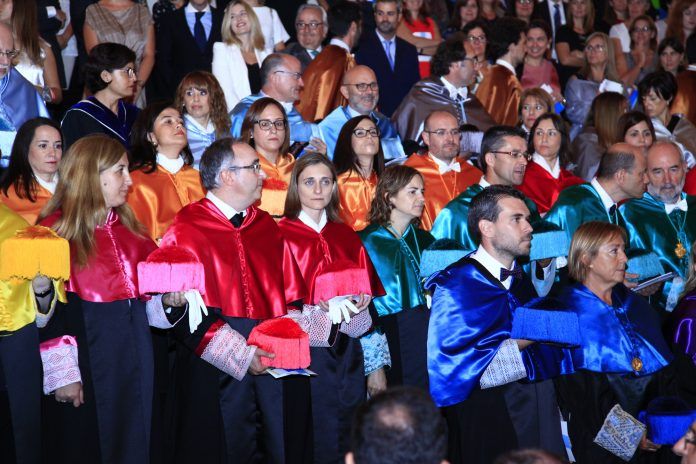
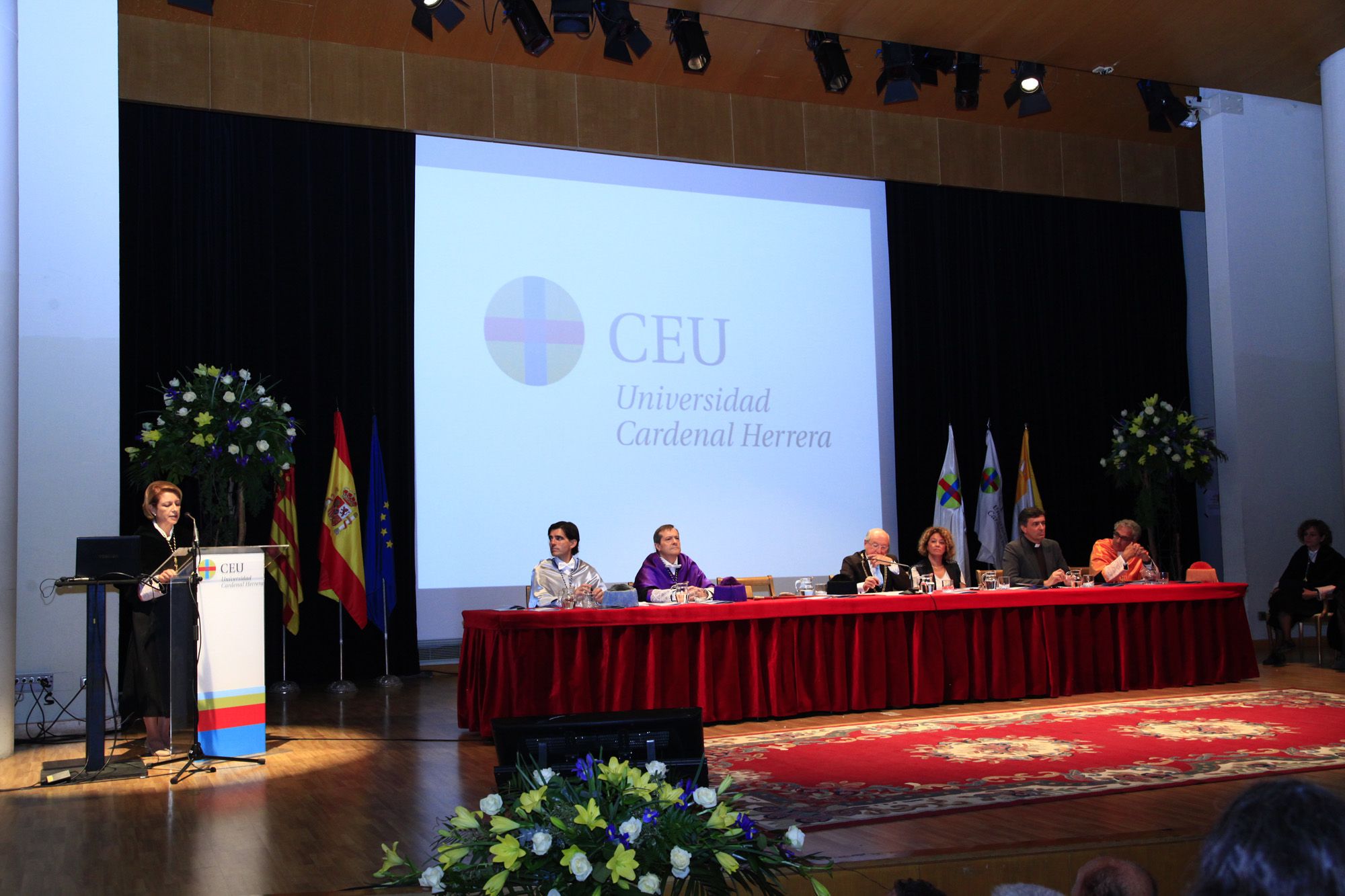
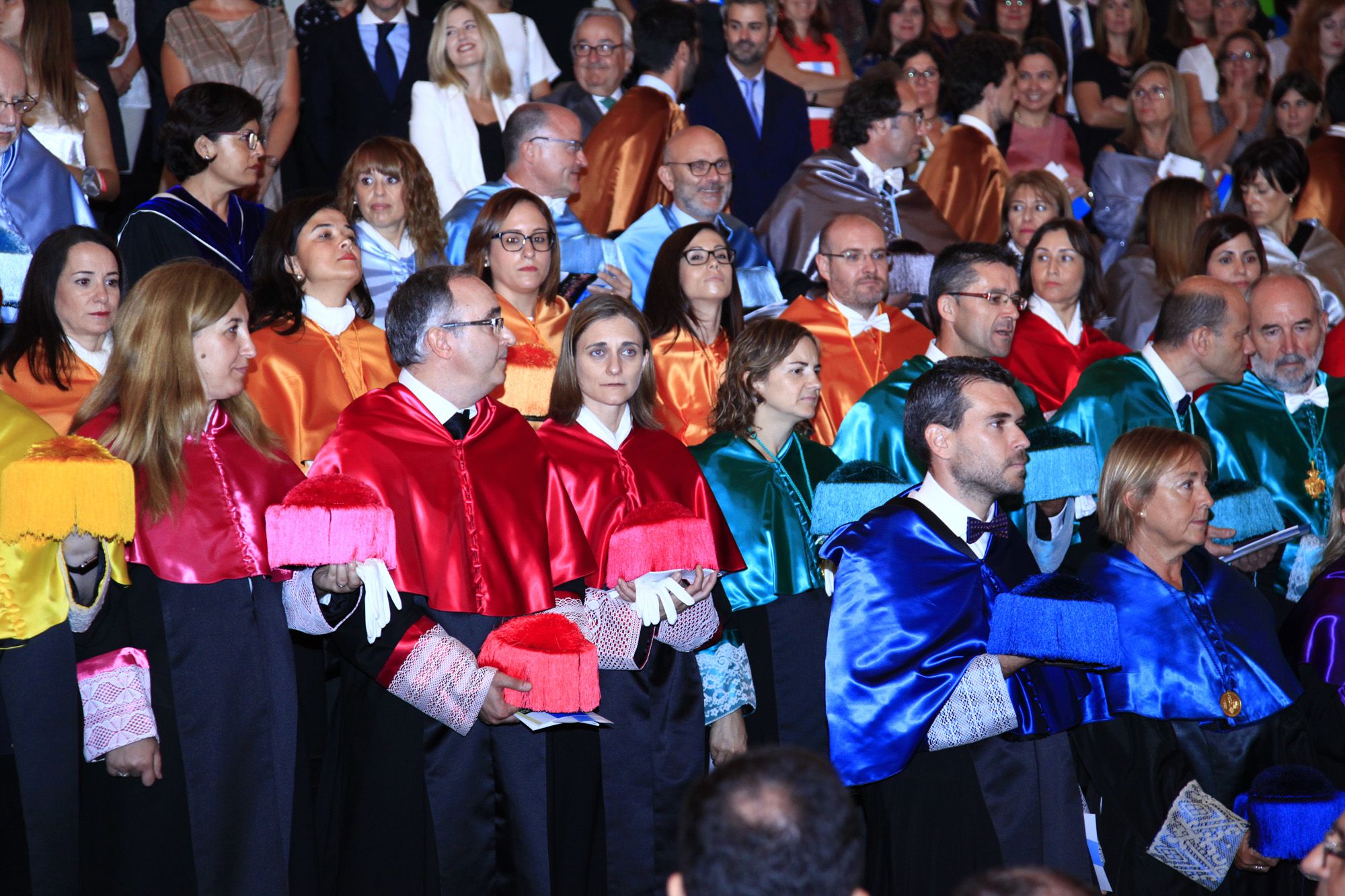
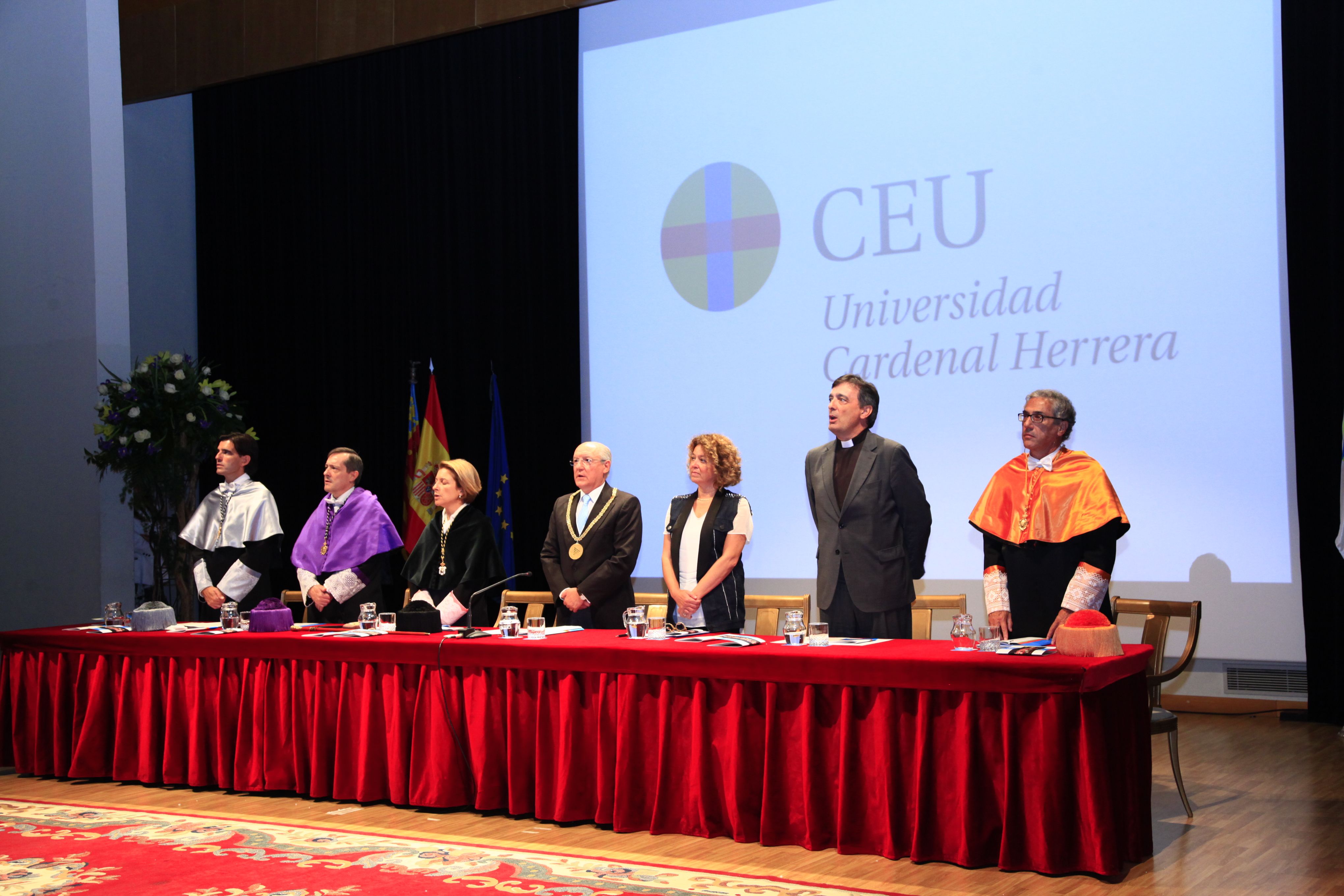
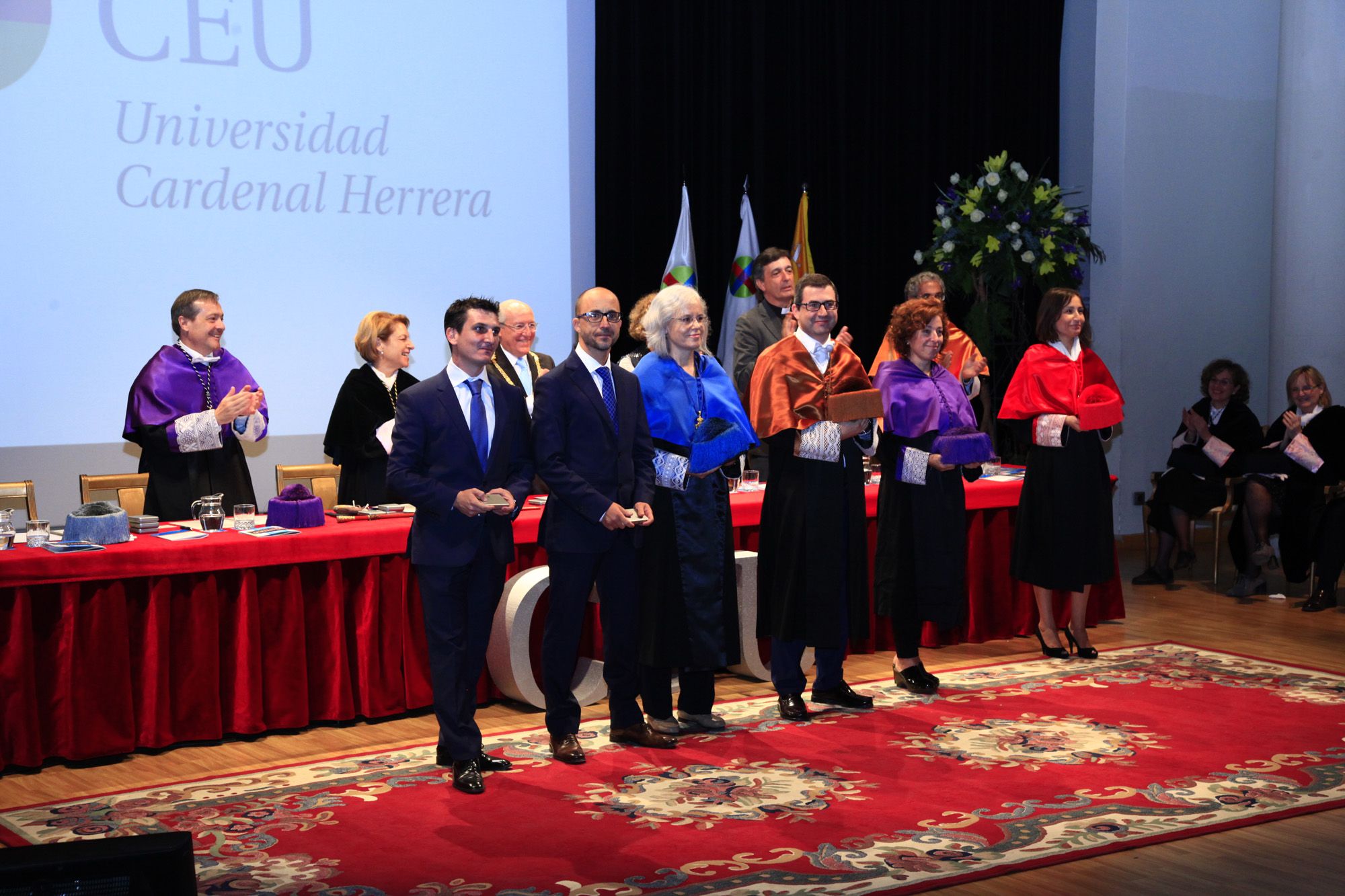
«At CEU we offer our students a space of knowledge from which to learn how to live and how to contribute to human progress and to the improvement of our society.» This was stated by the Rector of University CEU Cardenal Herrera, Rosa Visiedo, at the opening ceremony of the academic year 2017-2018, which was held this morning at the Palau de la Música in Valencia.
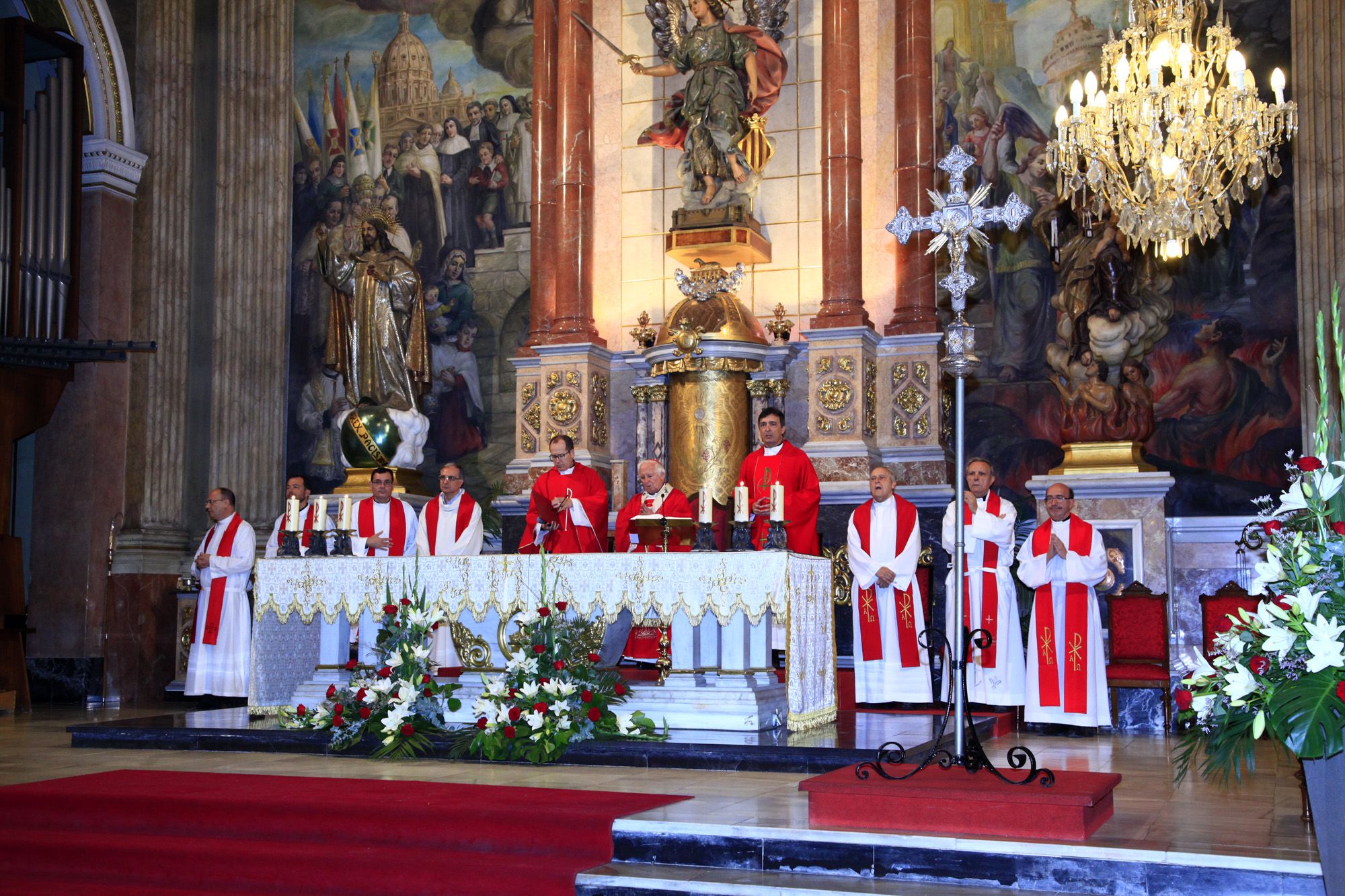
The academic event was preceded by a Eucharist officiated by the Cardinal Archbishop of Valencia, Antonio Cañizares. In his homily, the Cardinal recalled the role of the University in the integral education of people, «who must be constructors of a new humanity and be the vehicle of a culture of life, love and peace.»
The Great Chancellor of the University and president of the San Pablo-CEU University Foundation, Carlos Romero, presided over the opening of the course with the Rector of University CEU Cardenal Herrera. Josefina Bueno, General Director for Universities, Research and Science of the Valencian Government was accompanying them in the presidential table; the national Vice-Secretary of the Catholic Association of Propagandists, Andrés Ramos; José Manuel Amiguet, Secretary General and Vice Rector of Communication of CEU; the Vice Rector for Academic Affairs of this university, Gerardo Antón; and the author of the Master Lecture, Gonzalo Rubio, professor of the Faculty of Law, Business and Political Sciences of CEU.
A truly international university
«We already are a truly international university, in which 1 out of 4 undergraduate students comes from another country», assured Rosa Visiedo. The Rector, who has been very satisfied by the increase in students (16% more in the last four years, with a total of 11,400 students, 2,000 of which are new students), highlighted the upward trend of international students: «In the same period, we have doubled the number of our international students, around 2,300 this course that starts today, coming from more than 70 countries; and of these, 570 are new undergraduates».
The international vocation of University CEU Cardenal Herrera has also materialized in partnerships with institutions in Europe and the United States, «which will allow us to be part of consortia to present research projects within the Horizon 2020 Program of the European Union and the National Institutes of Health in the United States. We offer our researchers the opportunity to carry out research projects in renowned institutions and, with the Visiting Scholars Program, we intend to consolidate ourselves as a receiving center for relevant researchers in their field», said Visiedo.
Innovation for progress
«In this time of change, our time, individuals, institutions, companies and society as a whole, in order to survive, have to learn at least as fast as the environment changes and, in order to progress, do it at a faster pace», said Rosa Visiedo. And for CEU, she added, «innovating is the light that illuminates this learning process».
«Today more than ever, said the Rector, it is essential to promote in our students a culture of learning, the passion to learn, based on curiosity, the experience of progress, the feeling of self-efficiency. It is important that they know that they are going to have to be learning their whole lives, not just in the workplace, but personally, emotionally, technically.»
«Doing things differently does not make us less a university, but more», said the Rector, who also recalled that everything that is done «acquires value insofar as it is translated into proposals for action at the service of society«.
During his speech, the Great Chancellor of University CEU Cardenal Herrera, Carlos Romero, has put in value the achievements of the university during the last year, and has recalled the social character of the Foundation, committed to the society it serves. Finally, he underlined his vocation to «educate people ‘useful for life’, as said by Father Ángel Ayala, founder of the ACdP in 1909, of whom we now celebrate the 150th anniversary of his birth.»
The General Director for Universities of the Valencian Government, Josefina Bueno, has congratulated CEU for the numerous projects undertaken by students and teachers aimed at improving society.
Memory and Opening Lesson
The session began with the reading of the Report of the Academic Year 2016-2017, by the Secretary General of the University, José Manuel Amiguet, who highlighted the commitment of the university to promote talent through investment in scholarships that have been awarded to more than 1,400 students. «Among them, he stated, students with total gratuity thanks to the CEU Merit Program Scholarships. Brilliant young people who do not pay anything to study their entire career in CEU «.
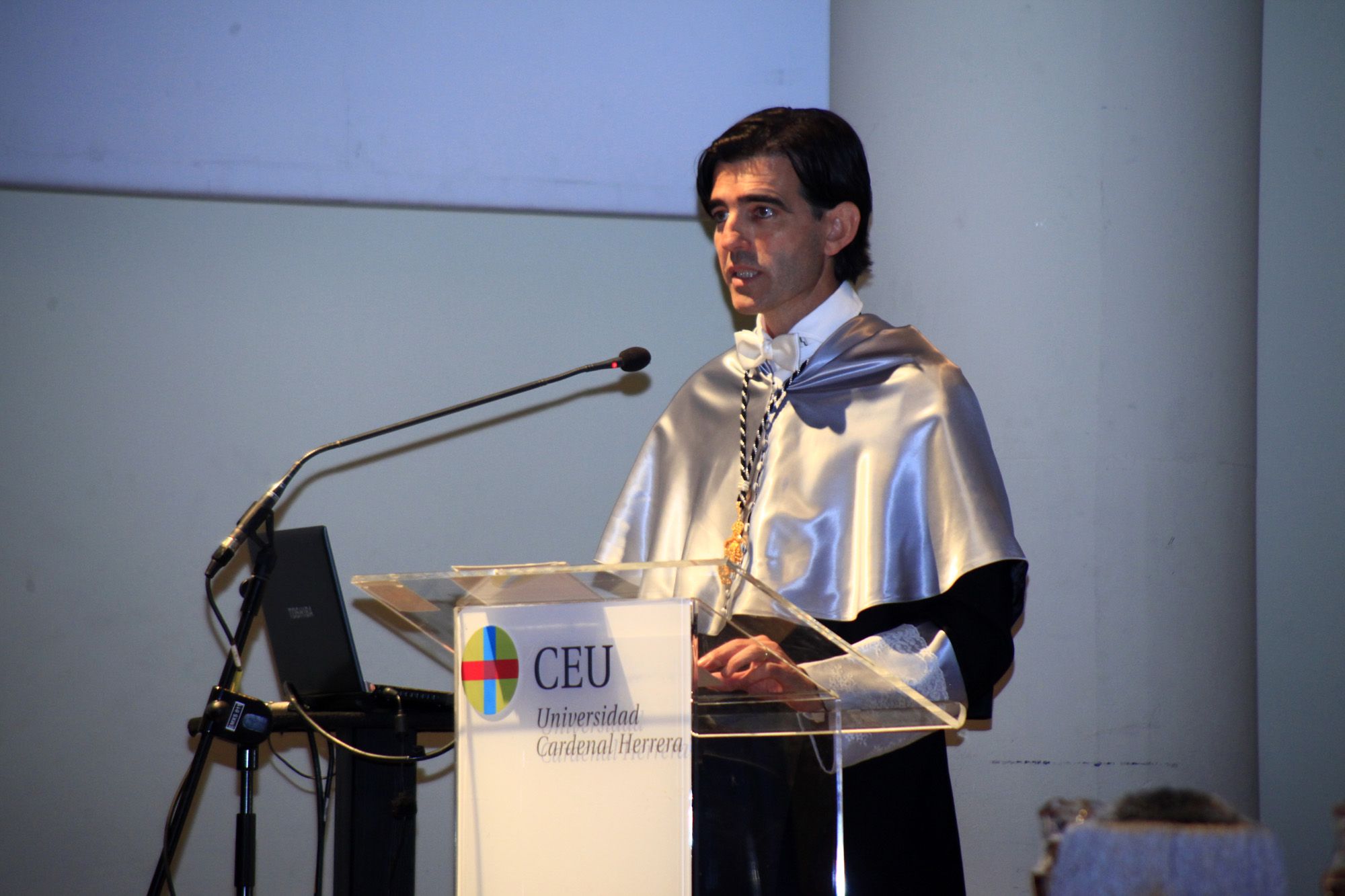
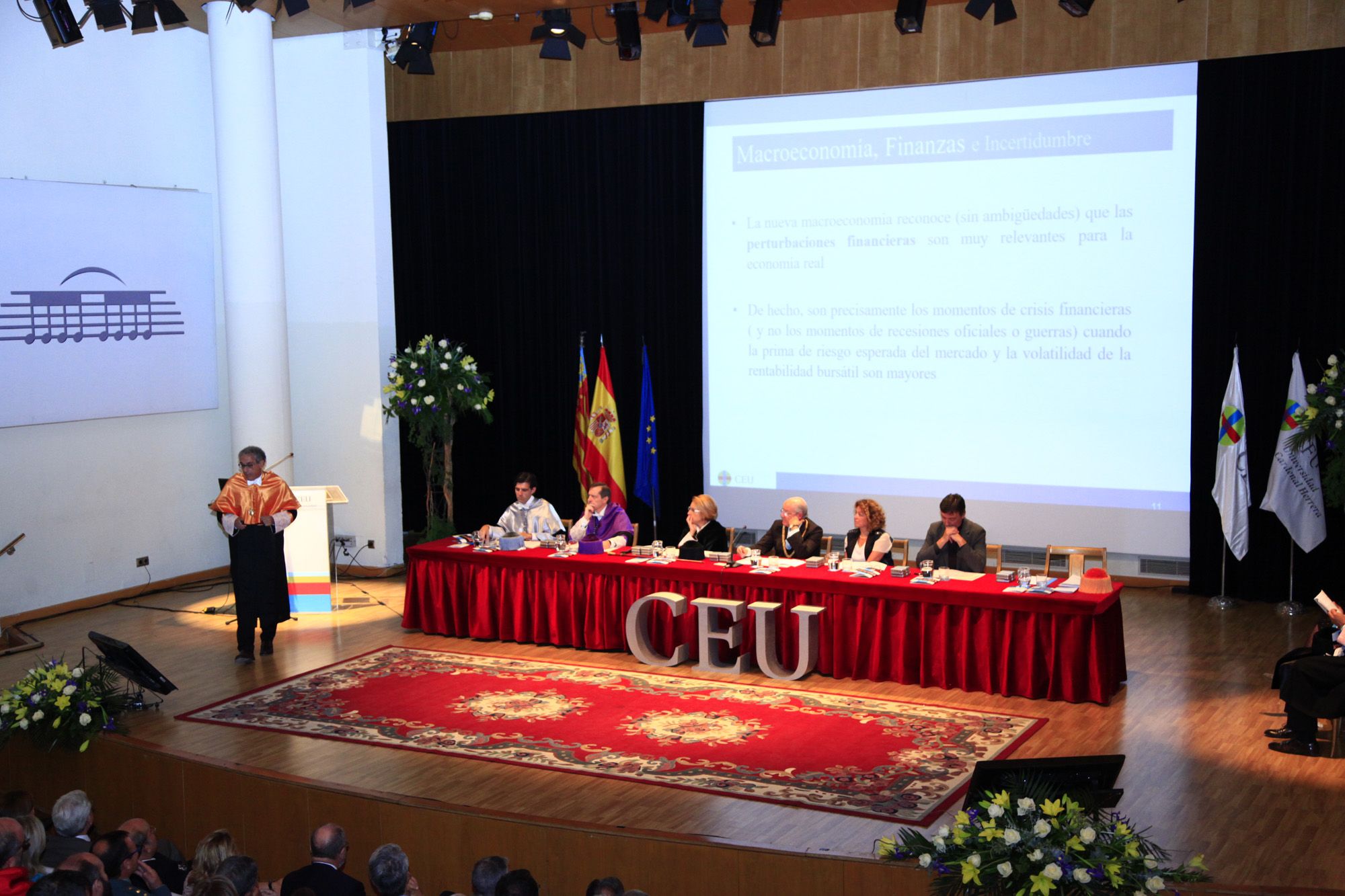
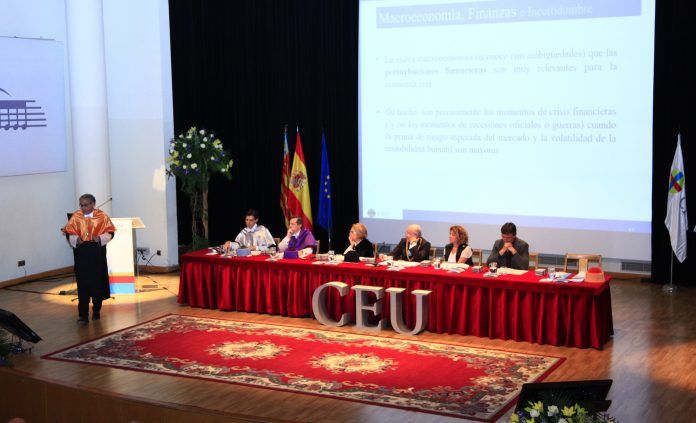
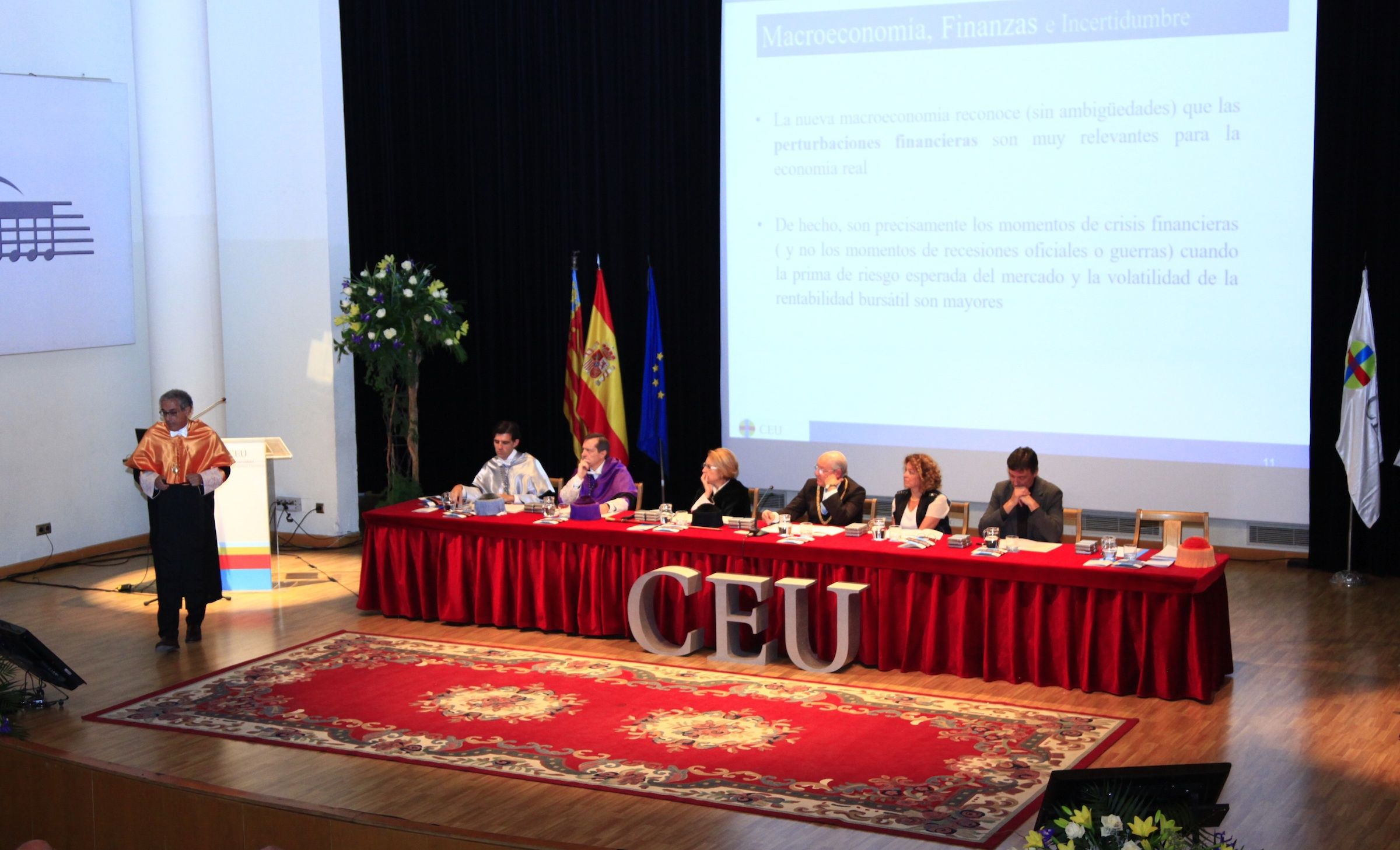
On the other hand, the Opening Lecture, «Macroeconomics, finances and political uncertainty», has been dictated by Dr. Gonzalo Rubio, professor of the Faculty of Law, Business and Political Sciences. In his speech, the professor has called for the political authorities to be aware of the great impact that financial shocks have on the real economy.
«They should closely monitor the degree of aggregated risk aversion of the economy and not stay away from the relevant implications of the countercyclical behavior of risk aversion. Their actions on the control of uncertainty that affects both the economy and politics would be a step in the right direction», he said.
Innovative and supportive
During the opening ceremony, the work of members of the university community in several strategic areas of University CEU Cardenal Herrera was also recognized: innovation, solidarity and the dissemination of research and knowledge.
Thus, the annual Awards for Innovation and Improvement in Teaching and Services of the University have distinguished in the category «Teaching Innovation» the Escuela de Salud project, pioneer in the Valencian Community, for its capacity to generate new spaces for learning and practical training of students that combine training in technical skills aimed at improving society through education in health.
The University has also awarded a second prize ex aequo to the projects Keep Knowing: A metaphor for the acquisition and retention of knowledge and Together in excellence: We learn by teaching. With two honorable mentions for projects From the classroom to practice and Building Networks.
In the category of «Best Practices in Services», University CEU Cardenal Herrera has awarded the ex aequo prize to the Simulaciones Accede project, for its innovation as a proposal and the value potential it can bring to students in their transversal skills training that improve their employability options; and Base Operativa del 360 Academic Program, a cross-cutting initiative involving several services and both teachers and administrative staff. Also, the jury has awarded a mention of honor in services to the project El taller experimental como herramienta para la cumplimentación del apartado Sistemas and Criterios de Evaluación de la Guía Docente.
At the level of solidarity, the university has recognized the work of the numerous international humanitarian missions in which its students participate (Malawi, Philippines, Senegal, Ghana and Nicaragua), as well as social service initiatives within the region, including health and education programs for the elderly, people with disabilities or training initiatives for children belonging to vulnerable groups.
Finally, CEU UCH has also honored the commitment of teachers with the dissemination and access of citizens to science and knowledge.
El 98% de los alumnos de las primeras ediciones se ha incorporado a organizaciones de reconocido prestigio nacional e internacional, vinculadas al sector de la investigación clínica
Un posgrado desarrollado por la Universidad CEU Cardenal Herrera y Experior, una de las empresas nacionales líder en el mercado de los ensayos clínicos
El Palacio de Colomina, sede cultural y social de la Universidad CEU Cardenal Herrera en Valencia, ha acogido la inauguración de la IV edición del Máster en Dirección y Monitorización de Ensayos Clínicos. Un posgrado que responde a la demanda creciente de profesionales formados y especializados en ensayos clínicos.
El catedrático de Economía y Finanzas de la CEU UCH, Gonzalo Rubio, imparte la lección magistral en el acto de apertura del curso 17-18.
La aversión al riesgo como clave para entender el comportamiento de los ciclos económicos y las recesiones económicas, hilo conductor de su discurso
El catedrático de Economía y Finanzas de la CEU UCH, Gonzalo Rubio, imparte la lección magistral en el acto de apertura del curso 17-18.
El catedrático de Economía y Finanzas de la CEU UCH en Elche, Gonzalo Rubio, dictó ayer la lección inaugural en el acto de apertura del curso académico de la UCH CEU 2017-2018, con una conferencia en la que introdujo a los asistentes en el Palau de la Música de Valencia en la aversión al riesgo como clave para entender el comportamiento de los ciclos económicos y, sobre todo, las recesiones económicas, de tal modo que mostró la relación existente entre finanzas, la macroeconomía y la incertidumbre.
“En el CEU ofrecemos a nuestros estudiantes un espacio de conocimiento desde el que aprender cómo vivir y cómo contribuir al progreso humano y a la mejora de nuestra sociedad”. Así lo ha afirmado la rectora de la Universidad CEU Cardenal Herrera, Rosa Visiedo, en el acto de apertura del curso académico 2017-2018, que se ha celebrado esta mañana en el Palau de la Música de Valencia.
Ignacio Juan, subdirector de Arquitectura de la CEU UCH, con los estudiantes premiados: Ernesto Corea y José Luis Moreno.
José Luis Moreno Delgado es el autor del mejor PFC de los años 2015 y 2016, entre los presentados por estudiantes de las cuatro escuelas de Arquitectura de la Comunidad Valenciana
Su compañero Ernesto Correa Selva ha obtenido una de las dos menciones de honor que concede el COACV en estos premios bienales a los mejores PFC
A los premios concurren con sus proyectos finales los estudiantes de Arquitectura de la CEU UCH, la UPV, la Universidad de Alicante y la Universidad Europea de Valencia
Ignacio Juan, subdirector de Arquitectura de la CEU UCH, con los estudiantes premiados: Ernesto Corea y José Luis Moreno.
2013, 2015 y 2017. Por tercera convocatoria consecutiva, el mejor proyecto final de carrera (PFC) en Arquitectura de los dos últimos años, elaborado por estudiantes de la Comunidad Valenciana es, según los profesionales del Colegio de Arquitectos de la Comunidad Valenciana, para un alumno de la CEU UCH. José Luis Moreno Delgado es el autor del mejor PFC de los años 2015 y 2016. Y su compañero Ernesto Correa Selva ha obtenido una de las dos menciones de honor. Por tercera edición consecutiva, la CEU UCH se lleva estos premios bienales, concedidos por un jurado de arquitectos profesionales y los responsables académicos de las cuatro Escuelas de Arquitectura de la Comunidad Valenciana. A estos premios concurren los estudiantes de la CEU UCH, la UPV, la Universidad de Alicante y la Universidad Europea de Valencia.
Ignacio Juan, subdirector de Arquitectura de la CEU UCH, con los estudiantes premiados: Ernesto Corea y José Luis Moreno.
José Luis Moreno Delgado is the author of the best Final Degree Project (FDP) of the years 2015 and 2016, among those presented by students of the four Architecture Schools of the Region of Valencia
His classmate Ernesto Correa Selva has obtained one of the two mentions of honor granted by the Professional Association of Architects of the Region of Valencia (COACV) in these biennial awards to the best FDP
Students of Architecture of CEU Valencia, the UPV, the University of Alicante and the European University of Valencia participate in this competition
2013, 2015 and 2017. For the third year in a row, the best Final Degree Project (FDP) in Architecture of the last two years, elaborated by students of the Region of Valencia is, according to the Professional Association of Architects of Valencia, for a student of University CEU Cardenal Herrera. José Luis Moreno Delgado is the author of the best FDP of the years 2015 and 2016. And his classmate Ernesto Correa Selva has obtained one of the two mentions of honor. It is the third time in three years that CEU Valencia wins this prize, awarded by a jury of professional architects and academic leaders of the four Schools of Architecture in the region. Students from CEU Valencia, UPV, University of Alicante and Universidad Europea de Valencia participated in the competition.
Ignacio Juan, subdirector de Arquitectura de la CEU UCH, con los estudiantes premiados: Ernesto Corea y José Luis Moreno.
CEU student José Luis Moreno Delgado has been awarded for his FDP, in which he has projected a residence for artists that he has named «Xarc«. The first mention of honor has gone to his classmate Ernesto Correa, with a project for a Special Education Center in Borbotó.
For the third consecutive year
This is the third year in a row that a student of CEU Valencia takes the first prize of COACV to the best FDP of the last two years among all students of Architecture of the Region of Valencia. On the two previous occasions, one of the two mentions of honor was also for a student of University CEU Cardenal Herrera. In 2013, Loreto Navarro won the first prize and Sergio Pérez Llompart the mention of honor. In 2015, the winner was Pedro Terrades and the mention of honor was obtained by Juan José Canós. A double in both editions, which CEU UCH repeats in 2017 with the José Luis Moreno award and the mention of Ernesto Corea.
Ernesto Corea recibe la mención de honor.
José Luis Moreno, primer premio al mejor PFC.
According to the deputy director of the Degree in Architecture at University CEU Cardenal Herrera, Ignacio Juan, «if we take into account the large number of students from all the Valencian universities with which our students compete with their final projects, these three awards and mentions of consecutive honor for CEU undoubtedly put in value the quality of the training they receive in our classrooms».
The award ceremony of the COACV Prizes was held on Friday, September 29, as part of the Architecture Week 2017, during the gala dinner of the Professional Association of Architects of the Region of Valencia, held at the Molino Real de Paterna, with the attendance, among other authorities, of the Government delegate to the Region of Valencia, Juan Carlos Moragues, who congratulated the winners.
Los premiados, con el delegado del Gobierno en la CV, el presidente del COACV y los miembros del jurado.
Se trata de la mayor concentración estudiantil con fines humanitarios
2900 participantes intentarán cruzar el desierto marroquí en un Renault 4L y cargados con 50 kilos de material escolar, deportivo o sanitario para la asociación “Enfants du désert”
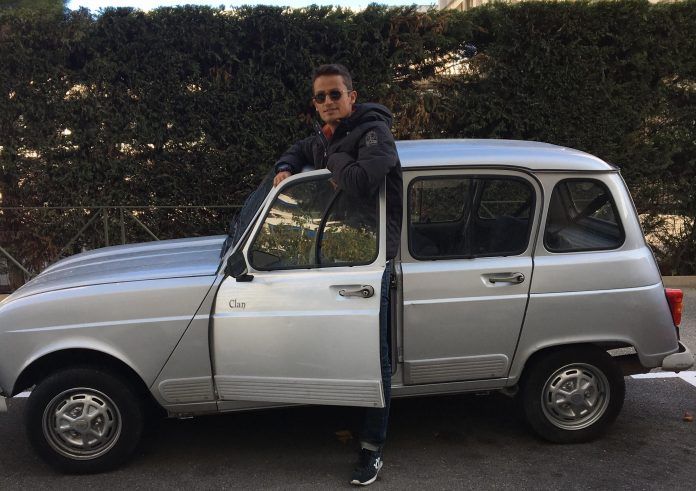
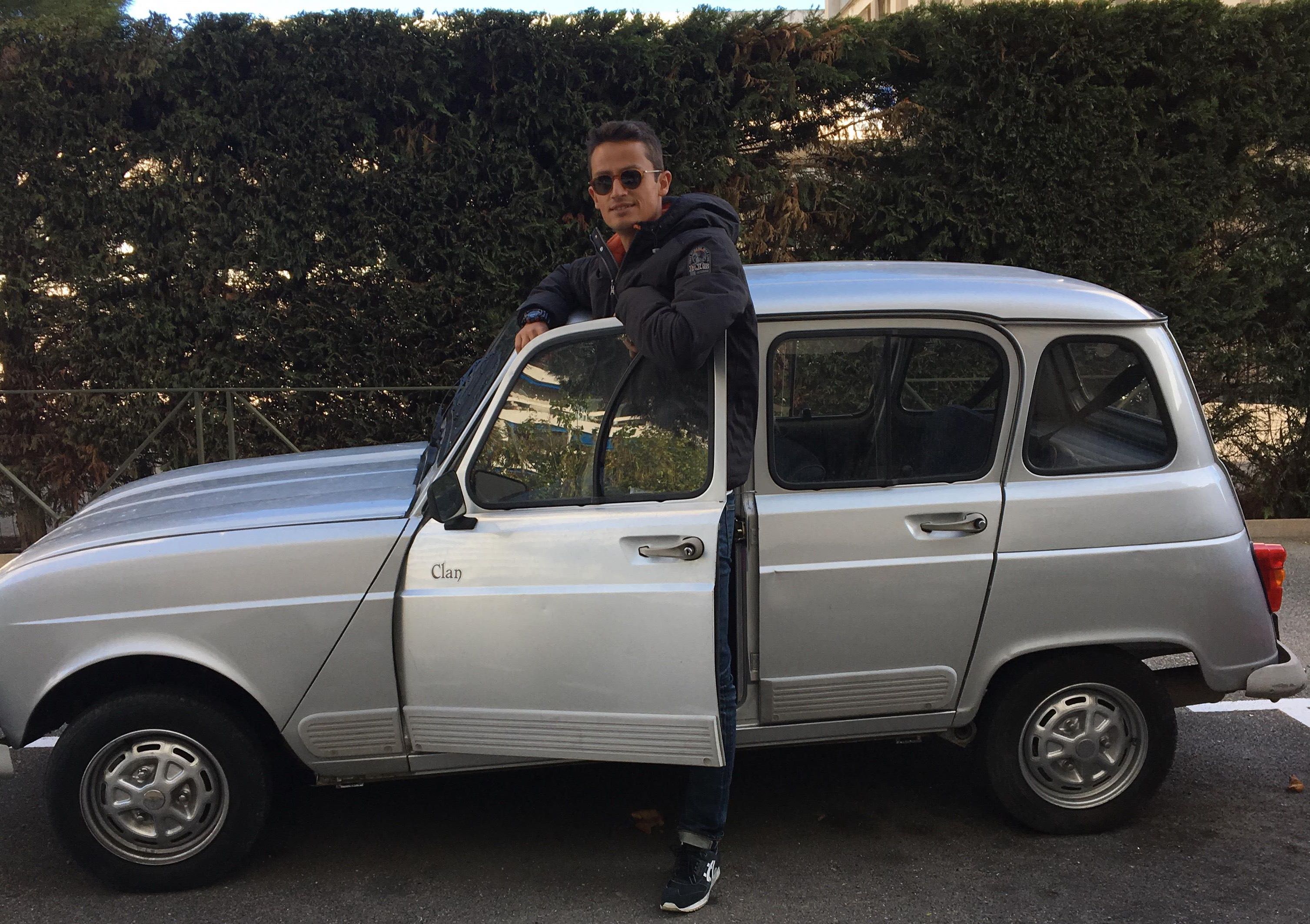
Quentin con el Renault 4L con el que participará, en febrero, en la carrera solidaria.
Quentin Mathonnet, estudiante de 2º curso del Grado en Fisioterapia de la Universidad CEU Cardenal Herrera, participará en la carrera solidaria 4L Trophy 2018, la mayor concentración estudiantil deportiva de Europa con fines humanitarios.
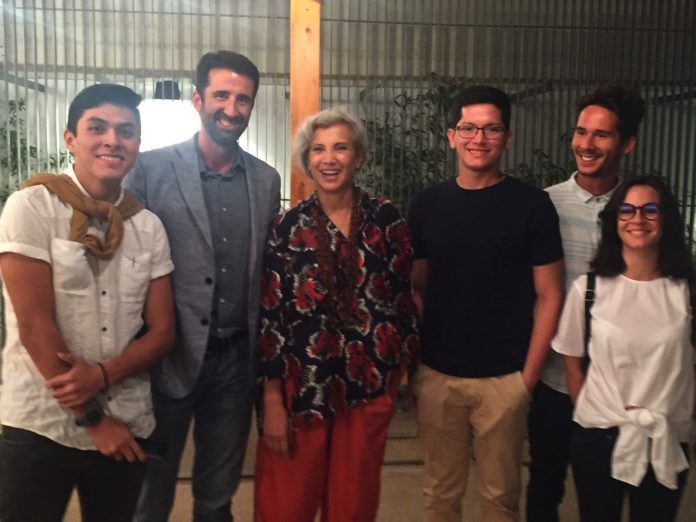
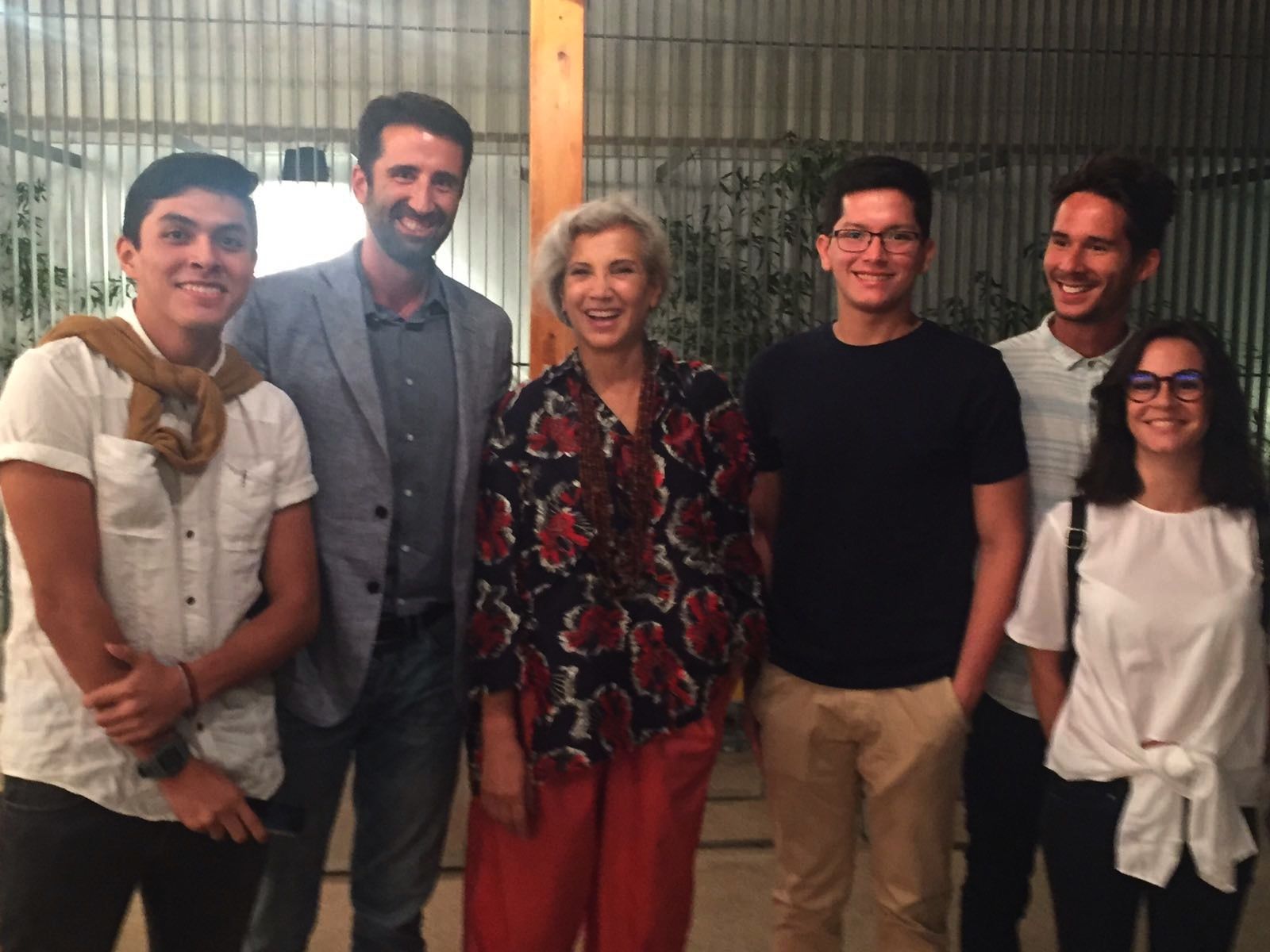
Carme Pinós y Alfonso Díaz, con un grupo de estudiantes de Arquitectura de la CEU UCH.
El profesor de Arquitectura y coordinador de RRII de la CEU UCH presentó anoche la monografía que ha coordinado sobre la obra de una de los arquitectos españoles con mayor renombre internacional
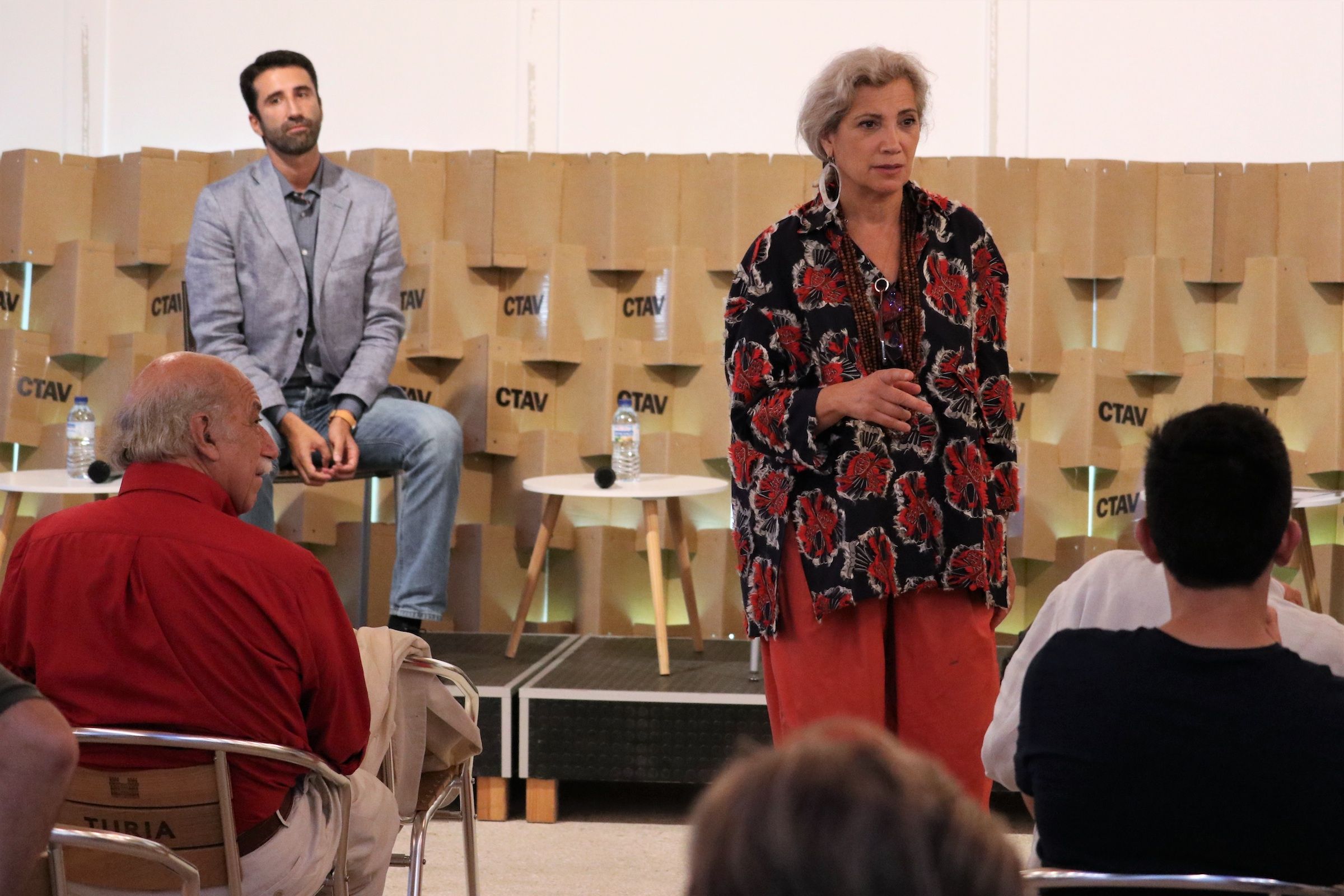
Alfonso Díaz y Carme Pinós, durante la presentación de la monografía «CaixaForum Zaragoza», en el CTAV.
Anoche, en el Colegio Territorial de Arquitectos de Valencia (CTAV), el profesor de Arquitectura del CEU UCH Alfonso Díaz Segura presentó la monografía titulada “Carme Pinós. CaixaForum Zaragoza”, de la que es coordinador. Al acto asistió la arquitecta, una de los profesionales del sector con mayor reconocimiento internacional y obra en distintos países, que explicó ante profesionales y estudiantes de arquitectura valencianos los pormenores de este singular edificio, que refleja las principales características de su obra.
Carme Pinós y Alfonso Díaz, con un grupo de estudiantes de Arquitectura de la CEU UCH.
Professor of Architecture and Head of International Relations at CEU Valencia Alfonso Díaz presented last night a monograph he has coordinated, focused on the work of one of the most internationally renowned Spanish architects
Alfonso Díaz y Carme Pinós, durante la presentación de la monografía «CaixaForum Zaragoza», en el CTAV.
Last night, at the Professional Association of Architects of Valencia (CTAV), CEU Professor of Architecture Alfonso Díaz Segura presented the monograph titled «Carme Pinós. CaixaForum Zaragoza», a book he has coordinated. The event was attended by the architect, one of the professionals of the sector with a greater international recognition and projects in different countries, who explained to professionals and students of Architecture the details of this unique building, which reflects the main features of her work.
For Alfonso Díaz, «it is always an honor to have the presence of Carme Pinós, who has also come to CEU Valencia to give lectures with a remarkable success of attendance. In addition, we have had some Architecture students doing internships in her study. »
More information on the presentation of this monograph and interview with Alfonso Díaz here.
Carme Pinós y Alfonso Díaz, con un grupo de estudiantes de Arquitectura de la CEU UCH.
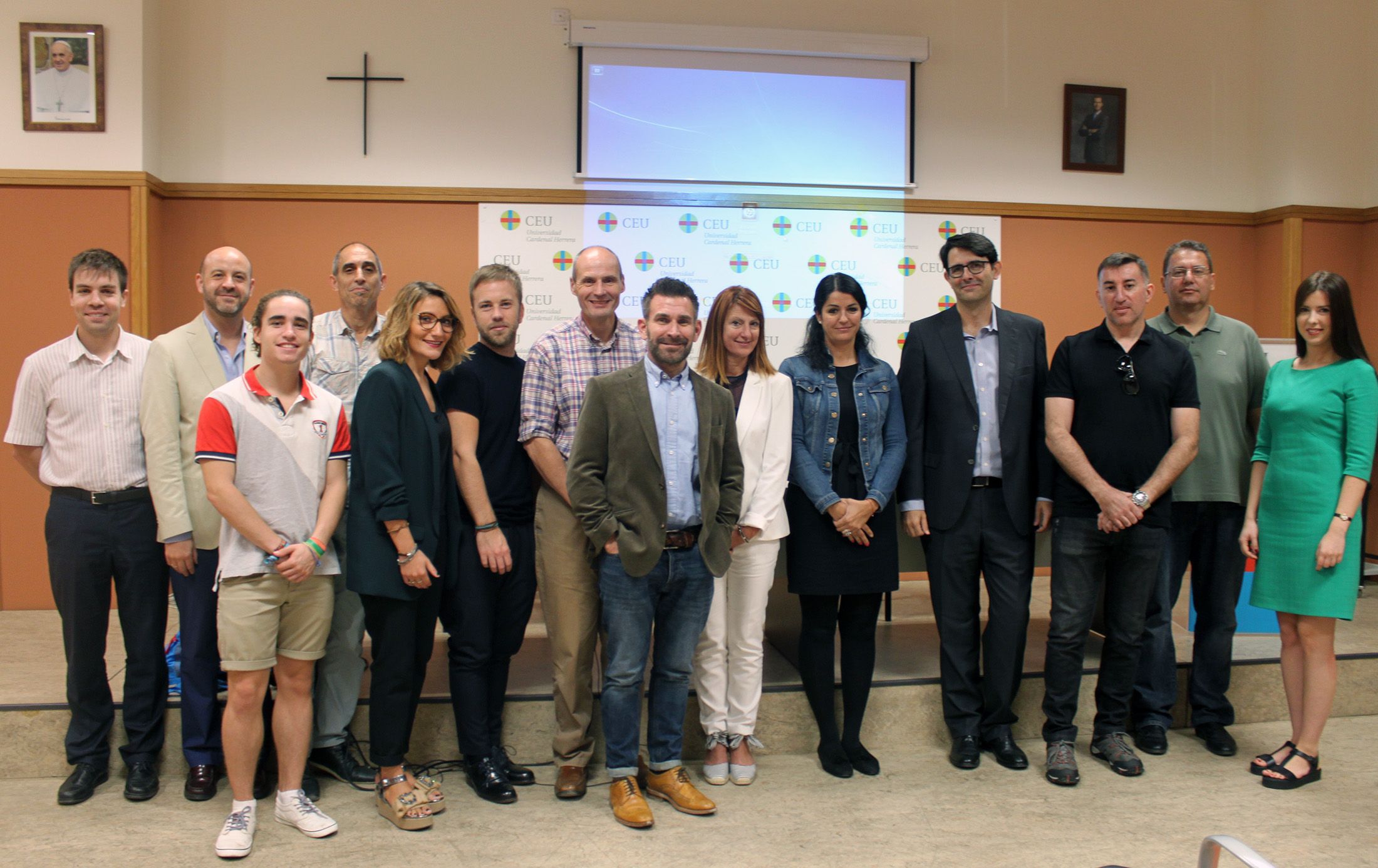
On the occasion of the International Week of Law, CEU Cardenal Herrera University has brought together trainers and security experts from all over Europe to address the educational needs of the persons who want to join the army, police or private security.
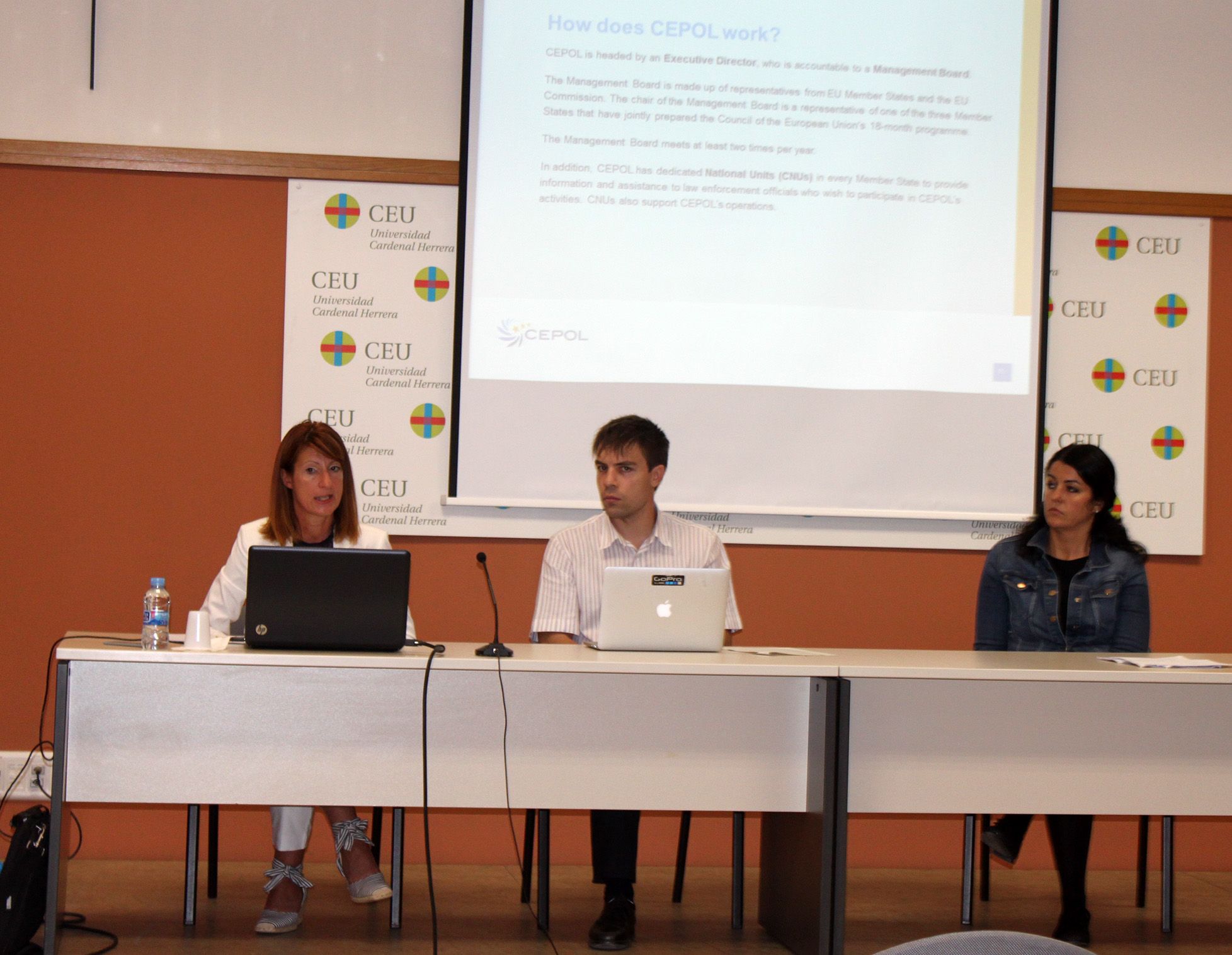
The international meeting, held under the Erasmus program, was initiated last Wednesday by the Dean of Law of CEU, Esperanza Ferrando, and started with a speech on terrorism given by Vincenzo Ruggiero, director of the Center for Social and Criminological Research at Middlesex University London. A renowned sociologist who has done research for The Economic and Social Research Council and the UK Ministry of Interior, the European Commission and the United Nations.
CEU Cardenal Herrera University has submitted for consultation the project of the Degree in Security that is being developed.
In the first session of the International Week was also involved Rafael Salvador, a researcher at the same university; Jose Ferreira (Fernando Pessoa University, Portugal); George Kaimakamis (Hellenic Army Academy, Greece); and Michele Rella (Università degli studi Niccolò Cusano, Italy).
This forum of experts has also welcomed the speeches of Damián Zaitch (Utrecht University, The Netherlands); Brian Frederick and John Clay-Davies (University of Gloucestershire, UK); Emese Horvázcy (International Training Center, based in Budapest); Noémi Bory (Páztmany Péter Catholic University, Hungary); Danuta Olejnik (Siedlce University of Natural Sciences and Humanities, Poland) and Justyna Levon (Vilnius University, Lithuania).
Throughout the International Week of Law of CEU, the attendees have addressed the need for specific study programs created by universities for the Armed Forces and other public and private security sectors, and have shared formative experiences at the European level, by such relevant institutions as the Central European Police Academy (CEPA), the Association of European Police Colleges (AEPC) or the European Police College (CEPOL).
Furthermore, given the relevance of the participants in this forum, CEU Cardenal Herrera University has submitted for consultation the project of the Degree in Security that is being developed.