




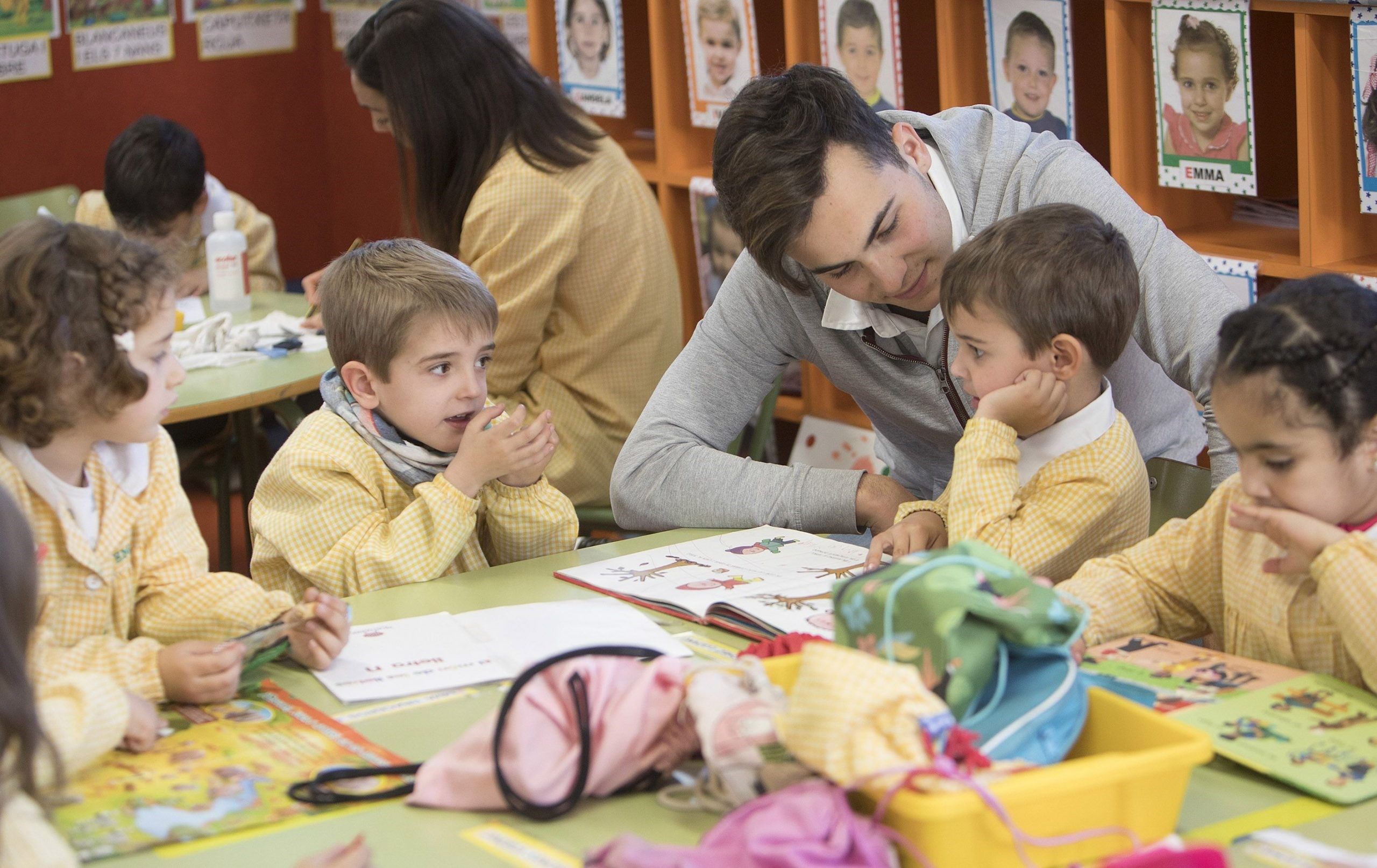
- The students of the CEU Degree in Teaching put their skills to work in this pioneering test at the Spanish university
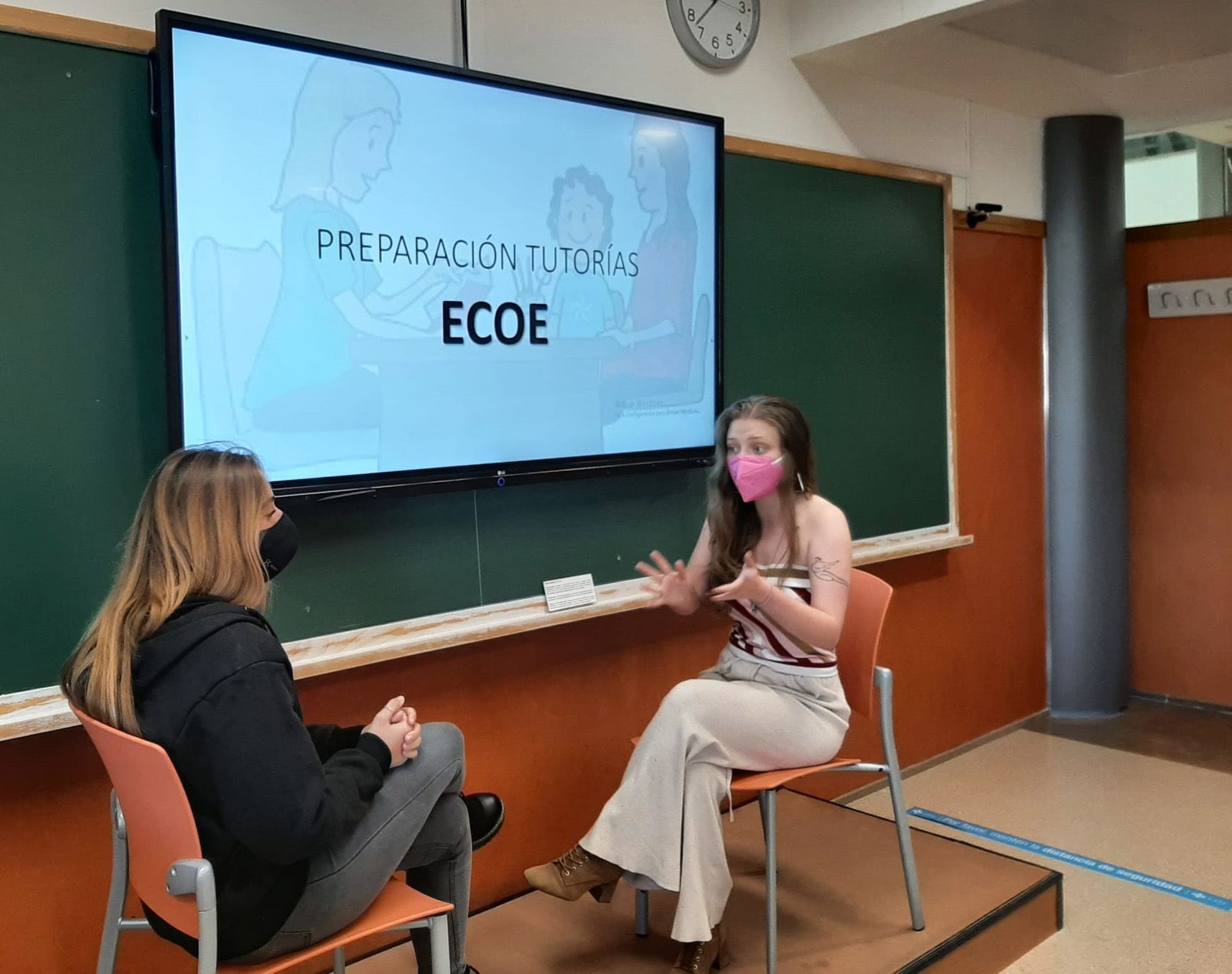 In the Teaching OSCE, future teachers face realistic educational situations interpreted by actors (classmates, as well as University professors and staff)
A teacher who interviews parents who suspect that their child is being bullied, another one who has a child with ADHD in the classroom and requires advice from the therapeutic pedagogy teacher; another one who organizes a mentoring session with parents of children in preschool…
These are very common situations in the day-to-day life of teachers that, however, Teaching students do not usually learn in a practical way at university. Hopefully, they become familiar with this cases during their compulsory internship in schools, but it is common to face them only in their professional practice. Except in the CEU.
The CEU has reinforced the practical training of future teachers through OSCEs, with challenges similar to those they will face in their profession
This is because professors have decided to reinforce the practical training of future teachers through the methodology of simulation. Specifically, implementing OSCE tests in different subjects at all levels of the Degrees in Education. A pioneering decision in the Spanish university.
Competent professors
The OSCE (Objective Structured Clinical Examination) is a common exam model in Health Sciences degrees. These are tests that allow students to be assessed competently, challenging them to face situations, played by actors, very similar to those that they will find in their future profession. Challenges that, in its version adapted to Education (in this case, Objective Structured Competence Evaluation), Teaching students also have to face them in a limited time and under pressure.
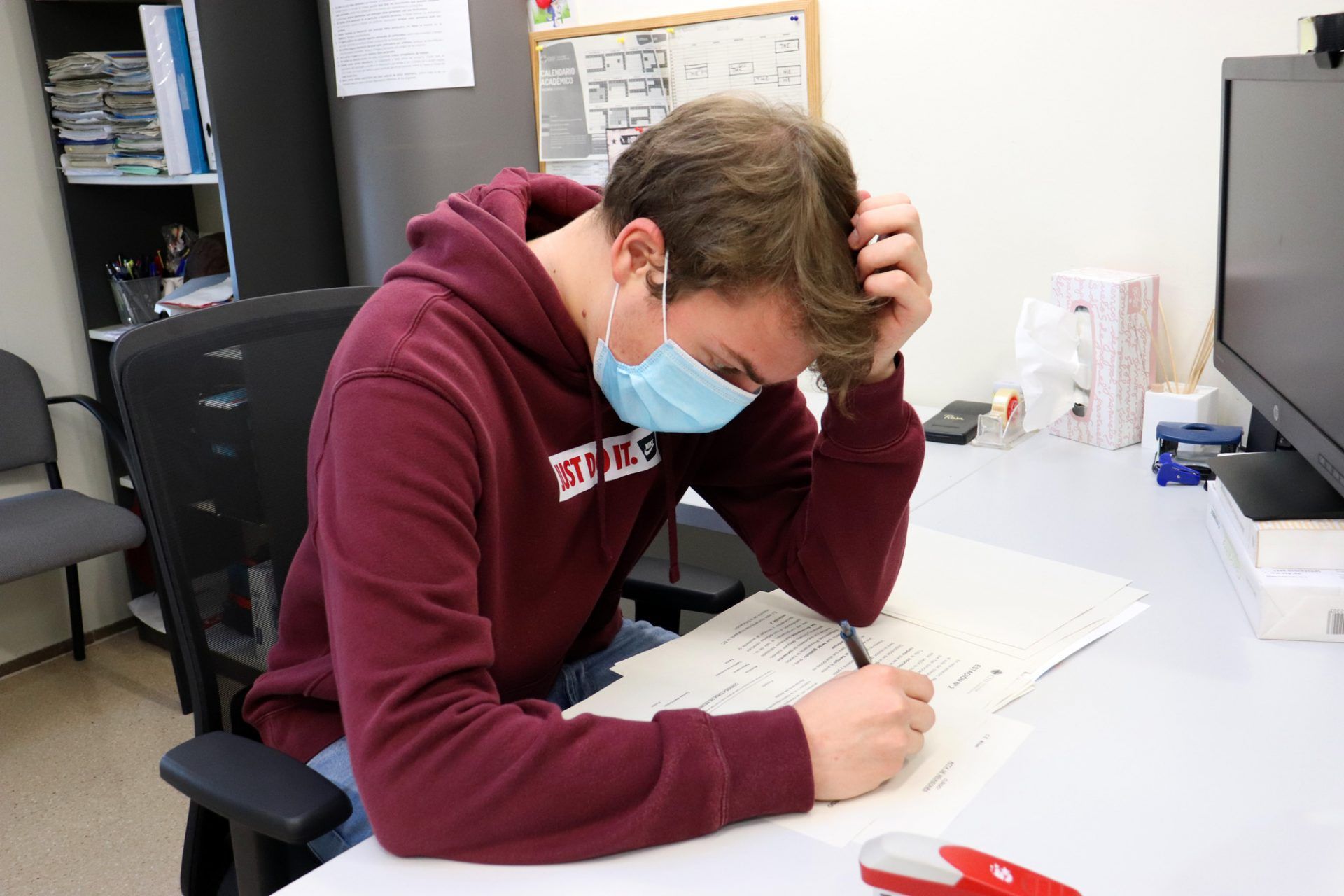 Education students must demonstrate knowledge, attitudes and skills in the Teaching OSCE
In order to face these practical cases, explains the Vice Dean of Education of the CEU, Rosa García, “future teachers have had prior training that seeks not only to learn content but also skills and attitudes.”
“A learning experience –says the professor– which encompasses the four pillars that Delors defined in the 90s: learning to know, learning to do, learning to be and learning to live together. All four are basic for the development of teacher competencies.”
“For this reason –García explains–, the Faculty works at the level of theoretical content but also practical content, incorporating the values necessary for each of the decisions we make when we work with more people. And all this is something that should not only be taught, but also evaluated.”
Comprehensive assessment
The learning and evaluation potential of the OSCE was what encouraged the CEU’s teaching staff to make the necessary adaptations to progressively incorporate it into the Education Degrees.
Before facing practical cases, students have previously been trained in content, skills and attitudes
“We were well aware that future teachers should not only acquire knowledge, but also show that they are competent for their profession, which implies more than just knowing,” explains Rosa García.
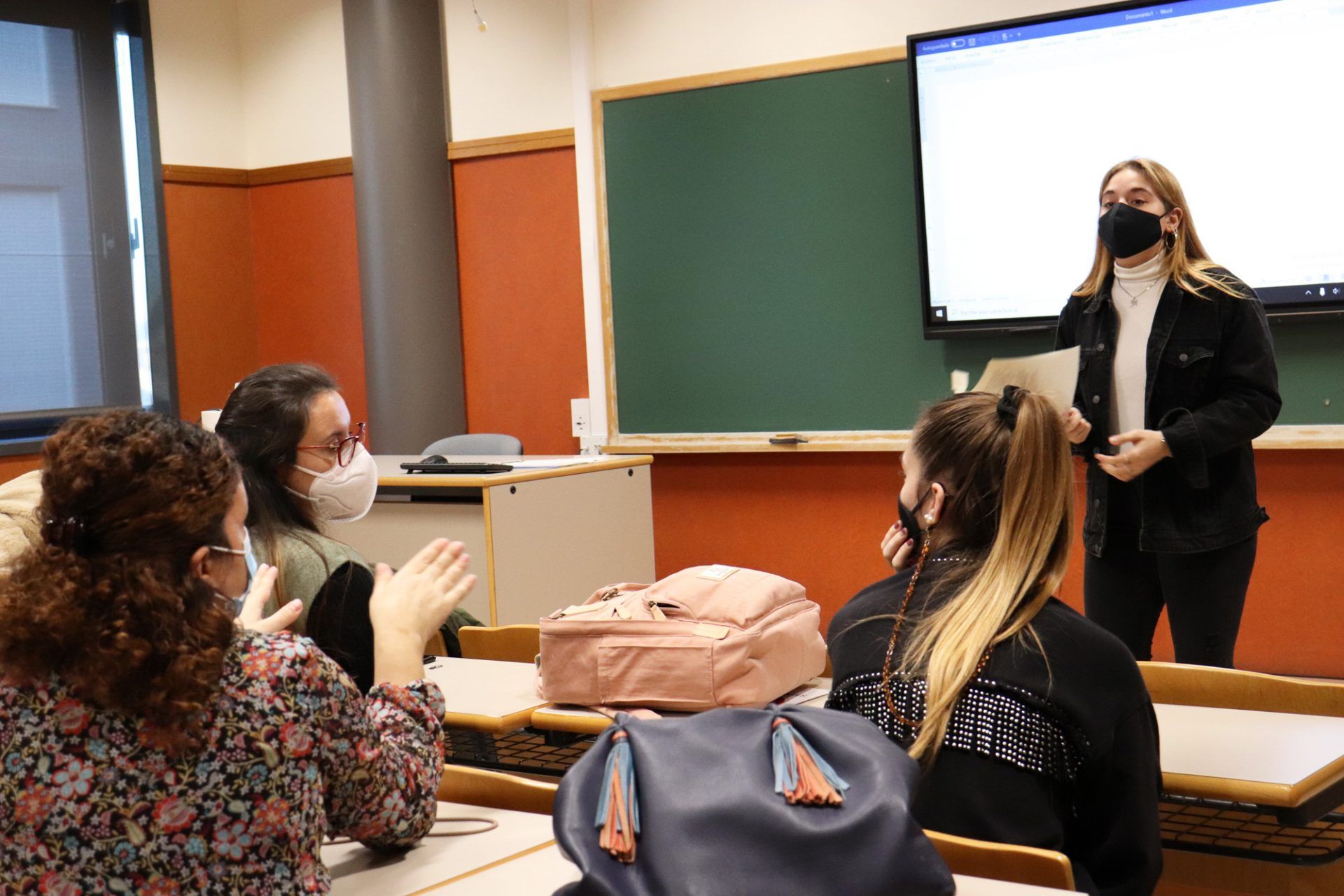
“Although we were already working intensely to train our students in key competencies before introducing these tests, with the traditional exams we evaluated above all the knowledge, while with the OSCE we are verifying that they have acquired the necessary competence learning”, adds the Vice Dean.
“Despite being extra work for teachers, since the preliminary preparation phase and the evaluation phase require a lot of effort, it is worth it”
Simulate to learn
“The simulation, on which this type of test is based –adds the professor– is an ideal tool to assess how our students adapt to a situation posed by the Primary or Preschool student and are capable of providing an adequate response to their educational needs.”
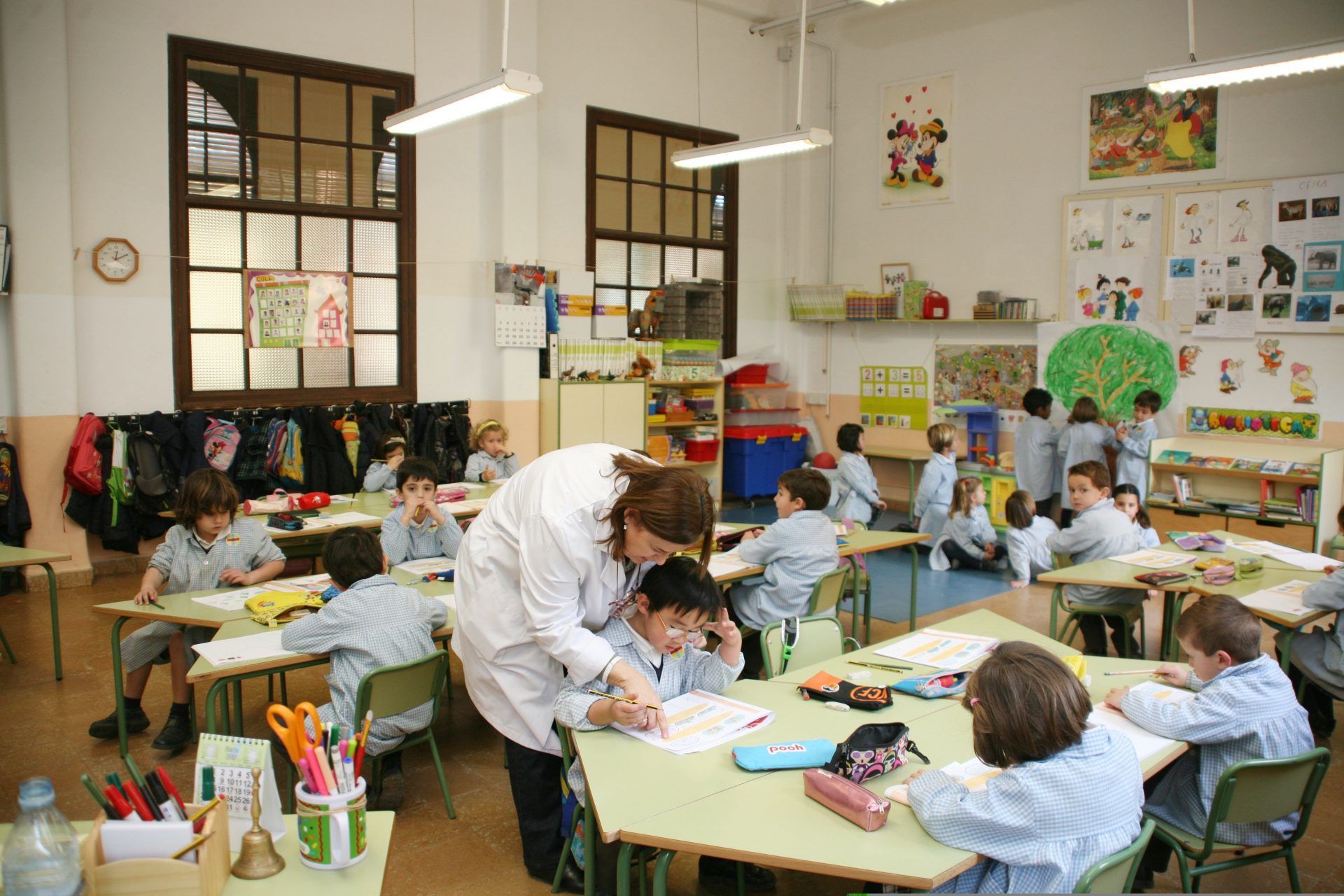 The OSCE in Education raises the kind of cases that students will come across in their future as teachers
In this sense –she assures–, the introduction of this evaluation methodology places a greater emphasis on the training in competences of the Teaching student and provides a comprehensive evaluation of it, with a view to their future profession”.
The fact is that, as the Vice Dean reminds us: “good teachers have to be competent or, in other words: they must be able to harmonize their knowledge and skills with their attitudes when faced with real problems in the classroom.”
The experience, of course, is showing very promising results.
“Despite being extra work for the professors, since the preliminary preparation phase and the evaluation phase require a lot of effort, it is worth it”
Training from the first year
“The students have valued this experience as very satisfactory, and they emphasize that it has provided them with a broader learning that adjusts to reality,” concludes the Vice Dean.
 For Valeria Larrabure, these tests have also helped her to push aside her fear of presenting her ideas publicly.
This is how, for example, Valeria Larraburehas experienced it: she finds it “really amazing to have worked from the first months of the degree for this great test, a rehearsal of our future reality.” The first-year student is proud to have overcome her nerves when speaking in public during the preparatory practices for the OSCE, and also very happy with the results and what she has learnt from the whole process.
‘From the first months of my degree, I have acquired a broad and realistic knowledge and vision of what my professional future will look like’
“I lost a fear that I had daily and I have developed a positive attitude towards presenting, which I will have to do more in my degree. ‘From the first months of my degree, I have acquired a broad and realistic knowledge and vision of what my professional future will look like’
Valeria is of Peruvian origin, and one of the reasons that encouraged her to study Teaching at the CEU of Valencia was the possibility of doing internships in schools from the first year. When she discovered that she would also have the opportunity to learn with the OSCE test and practice sessions, she was even more satisfied.
A ten-point learning experience
“I was very surprised when I found out about this test, which I really enjoyed, and it seems very important to me that there are more like this in all degrees,” she says.
The future teacher concludes by focusing on the simulation methodology, “which trains us to be better teachers in the future.”
Her classmate Mª Salomé Rocafull is also very pleased with the implementation of this learning methodology. “The OSCE tests really motivate us to continue with our vocation and give us a very close image of our future reality.”
“These tests really motivate us to continue with our vocation. I personally value them with ten points”
“I believe –adds the future teacher– that it is one of the best ways to internally process your training.” And she assures that “you put into practice your abilities and skills with the acquired knowledge, something that I consider key to be a good professional.”
“I personally value them with 10 points, because innovating means growing. And to learn you need an eagerness to know. We should never stop investigating to adapt to the new times,” concludes the CEU Teaching student.
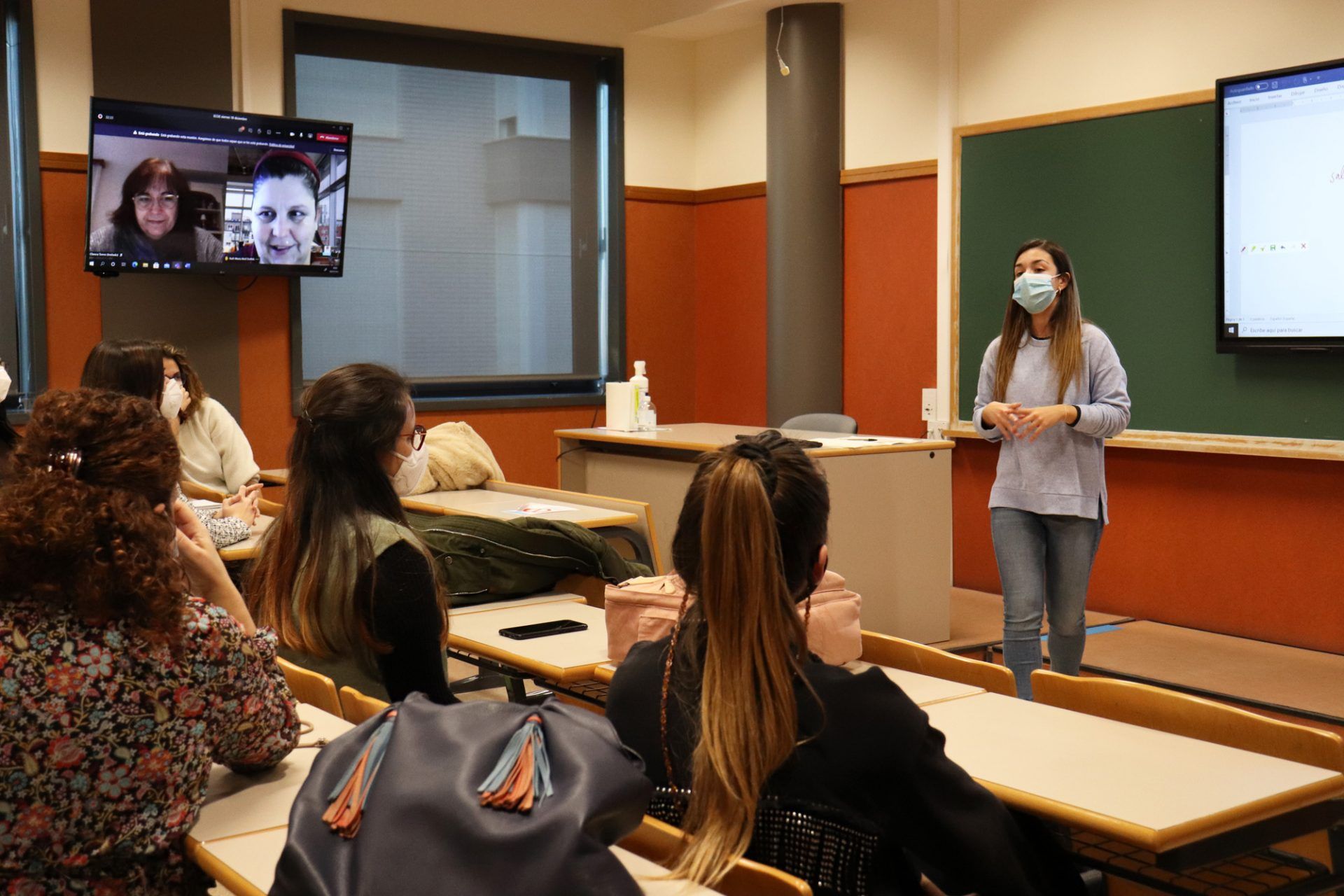 For Salomé, this OSCE in Education is a ten-point learning experience


