The CEU Senegal project was launched in 2015, coordinated by CEU lecturer Jesús de la Llave


Listening, sharing, and understanding. They are the key to everything that a group of lecturers, students and administrative and service staff from the CEU Cardenal Herrera University, from both the Elche and Valencia campuses, do in July in the Bignona region in southern Senegal. But the destination is more than just geographical – it’s human. This is a community where educational and health challenges converge, and where knowledge brings different people together. This volunteering initiative was born on our campuses, but it is built on the ground, through real collaboration with schools, healthcare centres and families. This is more than a standard volunteering initiative: it is a shared experience that highlights perfectly what can be achieved when the University connects with the world.
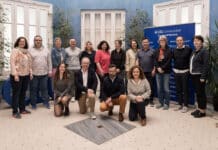
Fourteen volunteers, including lecturers and students – from degrees such as Physiotherapy, Primary Education, Nursing, Dentistry, Audiovisual Communication and Veterinary Medicine – and members of the administrative staff, have travelled to Senegal. Together they are part of a project that focuses on the recognition of local needs, the forging of real bonds with the community and educational and health intervention based on respect and exchange.
The group undertakes activities in schools and healthcare centres, liaises with local officials and organizes workshops on health promotion and oral hygiene. They also work with children and families in contexts where resources are limited, but the will to improve is constant.
One team, many perspectives
Dr Gonzalo Lizán is a medical doctor and lecturer on the Physiotherapy degree. For him, the trip represents an opportunity to bring the university closer to the reality of other communities: “It is not about coming out here with solutions, but about discovering, listening and seeing how we can collaborate, making the most of our knowledge and skills.”
Charo Vila is a lecturer on the Primary Education degree, and she sees the experience as a chance to learn from other ways of teaching: “We go out there with our own ideas, but we also want to see how they work there, what they need, and how we can add to that without imposing.” Miguel Ángel Torres lectures on the Dentistry degree and for him the experience shows even the basics can be valuable: “A check-up, a scale and polish, or a simple explanation about dental hygiene can make a real difference.”
Nancy Vicente, a lecturer on the Nursing degree, has experience of working in prisons and this has taught her about a vision of care rooted in dignity, empathy and adaptation to complex contexts. “Participating in this project is a way of continuing to put that experience at the service of those who need it most, in a new environment, but with similar challenges,” she said. As a nurse and university lecturer, she believes that this type of initiative allows society to give back part of what it has received, and doing so “in a context as rewarding as Africa” represents, in her words, “a unique opportunity for personal and professional growth”.
Fulfilling their vocation in a new way
Judit García and Javier Muntó are third-year Dentistry undergraduates and are part of the team as volunteers. Both have received specific training before the trip and have been actively involved in the preparation of the educational and health materials.
“For me it is an opportunity to put into practice what we have learned, but above all to contribute something useful in a very different context,” said Judit, who has already participated in social clinics. For Javier, it’s all about the human dimension of the experience: “We are not only going to do clinical work. We are also going to be with people, to share our time with them, and to learn from them.” The two students are participating in clinical and health promotion activities, accompanying lecturers on visits, and helping to document the work done to assess the impact of the project.
The trip schedule includes visits to educational and healthcare centres, interviews with local officials, workshops with children and hygiene and health promotion sessions. The team have gone out with an initial workplan, but the activities are adaptable to the conditions on the ground and the community’s own proposals. The team have prepared their own basic clinical instruments, hygiene kits, teaching materials and training resources. The Mainel Foundation is also providing logistical and institutional support to the initiative.
Ten years of commitment to improving education and health
Coordinated by the lecturer Jesús de la Llave, the CEU Senegal project began in 2015 when a group of CEU UCH lecturers and students travelled to Bignona, to work with the local population on issues related to education and health.
Over different missions carried out during the summer months, the Health Sciences volunteers have undertaken primary care tasks in support of the local healthcare centre. The Primary Education group, in conjunction with other organizations, have also made improvements to the material conditions of the local schools.
This trip is part of a project that aims to establish long-term cooperation with the Bignona region. The team hopes that this experience will serve as a basis for future missions, with new students and lecturers in years to come.